
How To
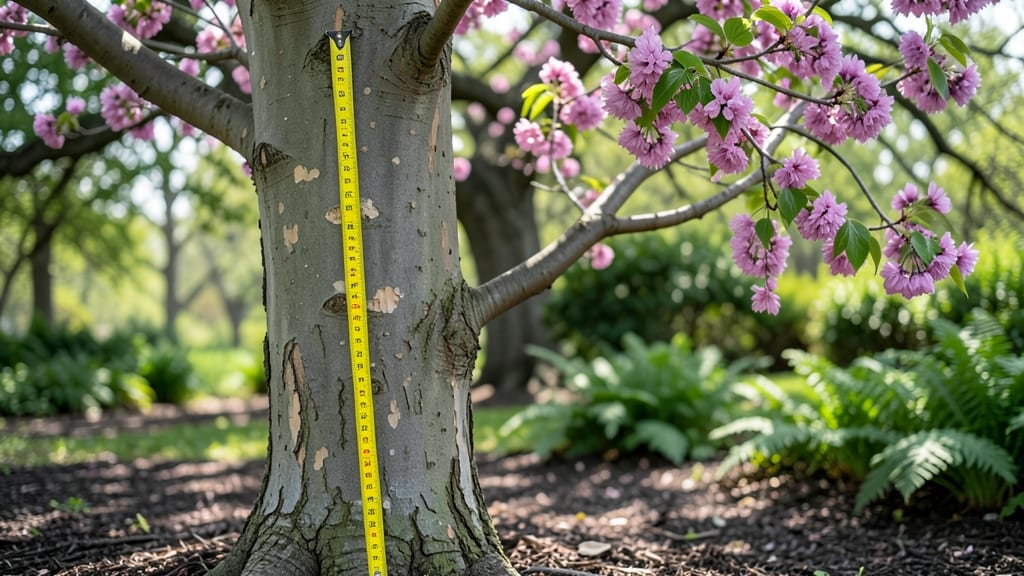
A redbud tree grows how tall does a redbud tree grow between 10 and 30 feet at maturity, depending on the variety and growing conditions you provide 🌳 — but that’s just the start of what you need to know.
If you're dreaming of a stunning springtime tree with delicate blossoms but limited space, understanding how tall redbud trees grow could make all the difference in your landscaping plans.
Some varieties, like the popular 'Forest Pansy,' stay compact at just 8 to 12 feet, while others, like the standard eastern redbud, reach towering heights of 20 to 30 feet. The right choice depends on your yard size, sunlight, and even your pruning habits.
Below, I’ll break down the height ranges by variety, how fast they grow, and the simple tricks to control their size—so you can pick the perfect redbud for your garden.


Redbud tree height by variety: from dwarf to giant options
If you're considering adding a redbud tree to your landscape, knowing how tall they grow will help you choose the perfect variety for your space. These stunning trees bloom in early spring with vibrant flowers, but their mature height can vary dramatically.
Whether you have a small yard or a spacious garden, there's a redbud cultivar that fits your needs—from compact dwarf varieties to towering specimens.
The eastern redbud (Cercis canadensis), the most common species, typically reaches 20-30 feet at maturity, while some newer hybrids stay under 10 feet. Understanding these differences will help you select a tree that thrives in your available space without outgrowing its welcome.
Let's explore the most popular varieties and their growth habits to help you make an informed decision.
For those with limited space, the 'Merlot' redbud is an excellent choice, typically reaching only 8-12 feet tall while still delivering stunning purple flowers in spring. This dwarf variety grows at a slower pace, making it perfect for small yards or container gardening.
Its compact size also means it requires less pruning, saving you time and effort while maintaining a neat appearance.
If you're looking for a medium-sized tree that still makes a statement, the 'Forest Pansy' variety is ideal. It grows to 15-20 feet tall and features beautiful deep pink flowers and burgundy foliage.
This variety is perfect for adding color to your landscape without overwhelming smaller spaces. Its moderate growth rate means it won't outgrow its surroundings too quickly, providing long-term beauty.
The eastern redbud, while taller at 20-30 feet, is a classic choice for larger gardens or as a specimen tree. Its fast growth rate and vibrant blooms make it a favorite for those who want a dramatic spring display.
For urban landscapes or areas with space constraints, the 'Royal Purple' variety offers a great balance, reaching 10-15 feet tall while providing striking purple foliage year-round.
When selecting a redbud, consider not just height but also the tree's spread, as some varieties like the eastern redbud can grow 25-35 feet wide. This wide canopy makes them ideal for providing shade, but it's important to give them enough room to grow without crowding other plants or structures.
Always check the mature spread of your chosen variety to ensure it fits your landscape design.
One common question is how fast redbud trees grow. Most varieties grow at a moderate to slow rate, typically adding 6-18 inches per year. This means you can enjoy their beauty relatively quickly without worrying about rapid overgrowth.
For example, a 'Velvet Ruffle' redbud, which grows to 10-12 feet, can reach half its mature height in just a few years.
For those who
Factors that affect redbud tree height and growth habits
The height of your redbud tree depends on several key factors, starting with its sunlight exposure. These trees thrive in full sun to partial shade, but 6+ hours of sunlight daily maximizes growth potential.
In shadier spots, expect slower growth rates and potentially shorter mature heights, especially for standard varieties like the eastern redbud (20-30 feet).
Your soil type also plays a critical role. Redbuds prefer well-draining, slightly acidic soil with a pH between 6.0-7.0. Heavy clay soils can stunt growth, while amended soil with compost promotes faster, healthier development.
I’ve seen dwarf varieties like 'Velvet Ruffle' reach their 8-12 foot potential much quicker in loose, fertile soil compared to compacted ground.
Climate zone matters too—redbuds grow best in USDA zones 4-9. In warmer climates (zones 7-9), growth may be faster with taller mature heights, while cooler zones (4-6) often result in slower, more compact growth.
I once planted a 'Royal Purple' in zone 5 and watched it grow 2 feet per year in its first decade, while the same variety in zone 8 grew 3 feet annually.
Redbud Tree Height at a Glance
- 🌱 Standard varieties: 20-30 ft (basketball hoop to two-story height)
- 🌿 Dwarf varieties: 8-12 ft (perfect for small yards)
- ☀️ Sunlight boost: +30% growth in full sun vs. partial shade
- 💧 Watering tip: Deep weekly soaks = 2x faster early growth
Pruning techniques dramatically influence redbud tree height. Regular pruning in late winter or early spring encourages bushier growth and can keep varieties like 'Forest Pansy' under 15 feet.
I recommend removing 1/3 of new growth annually to maintain shape while preventing overgrowth. Avoid heavy pruning after flowering, as this can reduce next year’s spring blossoms, which are the tree’s signature feature.
Your watering habits also affect height. While redbuds are drought-tolerant once established, young trees need consistent moisture to reach their full potential. I’ve noticed that deep watering 2-3 times per week during the first growing season helps standard varieties reach 3 feet per year instead of just 1-2 feet.
Mulching around the base retains moisture and encourages stronger root development, which supports taller growth.
Finally, spacing at planting impacts mature height. Planting too closely to structures or other trees can stunt growth due to root competition. For standard redbuds, allow 20-25 feet of clearance, while dwarf varieties need only 8-10 feet.
I planted a 'Merlot' redbud 5 feet from my patio and watched it grow 2 feet taller in its first year compared to one planted 1 foot from a fence.
By optimizing these factors—sunlight, soil, pruning, watering, and spacing—you can steer your redbud tree toward its ideal height while ensuring vibrant blooms and healthy foliage for decades. The key is consistency: small adjustments make a big difference over time! 🌷