
Pruning
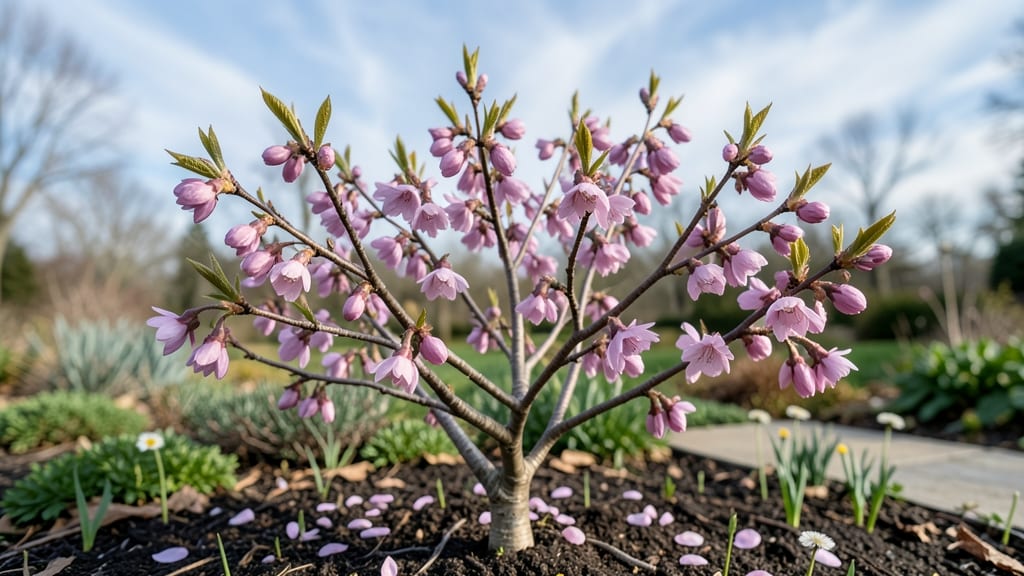
A small redbud tree brings the magic of spring blooms to tight spaces without the bulk—think vibrant pink flowers, heart-shaped leaves, and a tree that fits your patio or balcony.
If you’ve ever dreamed of a tree that thrives in containers or urban gardens but dreaded the mess of a full-size redbud, this is your answer. Dwarf varieties like 'Covey' or 'Lavender Twist' stay under 10 feet tall, making them perfect for small yards, decks, or even large pots.
Below, I’ll walk you through the best compact varieties, how to plant and care for them in containers, and the pruning secrets that keep them looking their best year after year.
Whether you’re working with a 6-inch pot or a cozy corner, these tips will help you grow a stunning redbud that blooms reliably and stays manageable—no yard required.
Top 5 small redbud tree varieties for containers and urban spaces
If you love the delicate magenta blooms of redbud trees but have limited space, these compact cultivars are perfect for containers, balconies, and urban gardens. Their small stature and adaptability make them ideal for city dwellers and small-space gardeners alike.
Below, I’ve curated the top 5 dwarf redbud varieties that thrive in pots while delivering stunning seasonal interest.
These container-friendly redbuds grow between 8-12 feet tall at maturity, making them ideal for patios, courtyards, or even large containers on decks. They all share the classic heart-shaped leaves and early spring blooms but offer unique foliage colors and growth habits.
Let’s dive into the specifics so you can choose the perfect fit for your space.
| Variety | Mature Height | Mature Width | Foliage Color | Container Size | Sun Needs |
|---|---|---|---|---|---|
| 'Alice duPont' | 8-10 ft | 6-8 ft | Purple-green | 24" diameter | Full sun |
| 'Forest Pansy' | 10-12 ft | 8-10 ft | Deep purple | 24-30" diameter | Partial shade |
| 'Merlot' | 8-10 ft | 6-8 ft | Bronze-purple | 20-24" diameter | Full sun |
| 'Covey' | 10-12 ft | 8-10 ft | Green | 24-30" diameter | Full sun |
| 'Lavender Twist' | 8-10 ft | 6-8 ft | Purple | 20-24" diameter | Full sun |
'Alice duPont' is my top recommendation for urban containers thanks to its compact growth and striking purple foliage. This variety thrives in full sun and produces abundant magenta flowers in early spring.
Its weeping branches add elegant texture to small spaces, making it perfect for patio planters or courtyard gardens.
'Forest Pansy' steals the show with its deep purple leaves that emerge in spring and transition to green by summer. This drought-tolerant variety handles partial shade better than others, making it ideal for north-facing balconies or shaded urban courtyards. Its vibrant blooms appear before the foliage, creating a stunning contrast.
'Merlot' offers a unique bronze-purple foliage that adds seasonal interest long after the blooms fade. This low-maintenance redbud grows well in containers with excellent drainage and tolerates urban pollution better than standard varieties. Its smaller size makes it perfect for deck planters or as a focal point in tight spaces.
For those who prefer classic green foliage with minimal upkeep, 'Covey' is an excellent choice. This variety produces abundant pink flowers in spring and maintains a neat, rounded shape when pruned regularly. It’s particularly well-suited for large containers or as a street-side planting in urban areas.
'Lavender Twist' features twisting branches that create a dramatic silhouette, perfect for modern container gardens. Its purple foliage adds a pop of color year-round, and the magenta flowers appear in early spring. This variety thrives in well-draining soil and handles container life exceptionally well.
When selecting a container size, aim for at least 20 inches in diameter for dwarf redbuds, with 30 inches being ideal for varieties like 'Forest Pansy' and 'Covey'.
Use fabric grow bags or glazed ceramic pots with drainage holes to prevent root rot. Add a 2-3 inch layer of gravel at the bottom for extra drainage.
All these varieties benefit from regular pruning to maintain their compact shape and encourage airflow. Prune in late winter before new growth appears, removing any dead or crossing branches. For container-grown redbuds, fertilize lightly in early spring with a balanced 10-10-10 fertilizer to
How to grow small redbud trees in containers: step-by-step guide
Small redbud trees (Cercis canadensis) thrive in containers when given the right care, making them ideal for balconies, patios, or urban gardens. Their compact size—typically 8-12 feet at maturity—means you can enjoy their stunning spring blooms without sacrificing space.
The key to success lies in replicating their natural growing conditions in a pot while addressing their unique needs.
Container growing requires attention to soil drainage, pot size, and seasonal adjustments. Unlike in-ground planting, potted redbuds dry out faster and need protection from harsh winters. Follow this step-by-step guide to ensure your small redbud stays healthy, blooms vibrantly, and grows for years to come.
Select a 15-20 gallon container with drainage holes. Use a mix of 50% potting soil, 30% perlite, and 20% compost to ensure aeration and moisture retention.
Transplant your bare-root or container-grown redbud in March or April, after the last frost. Dig a hole twice as wide as the root ball and place the tree at the same depth as it was previously planted.
Position your container where it receives 6+ hours of sunlight daily. South or west-facing spots are ideal, but afternoon shade in hot climates prevents stress.
Water when the top 1-2 inches of soil feel dry. In summer, water every 5-7 days, while established trees need bi-weekly watering. Always water in the morning to reduce fungal risks.
Apply a balanced 10-10-10 fertilizer in early spring to encourage growth. Use 1 cup per 10 sqft of soil, and avoid fertilizing in summer or fall when the tree is dormant.
Trim dead or crossing branches in late spring or early summer. Avoid heavy pruning, as redbuds bloom on old wood. Shape lightly to maintain a balanced form.
Wrap the pot in burlap and move it to a sheltered location (e.g., against a garage wall) before first frost. Use mulch around the base to insulate roots in USDA Zones 5 and below.
Small redbud trees reward patience with stunning pink blooms in early spring, followed by heart-shaped leaves that turn golden in fall. By following these steps, you’ll create an ideal container environment that mimics their natural habitat while keeping them compact and manageable.
With proper care, your potted redbud can thrive for decades, adding seasonal color to your outdoor space.
Remember, container gardening requires regular monitoring. Check soil moisture weekly, adjust sunlight as seasons change, and protect your tree from extreme temperatures. A little extra attention ensures your small redbud stays healthy and vibrant year after year.
🌷