
Trees
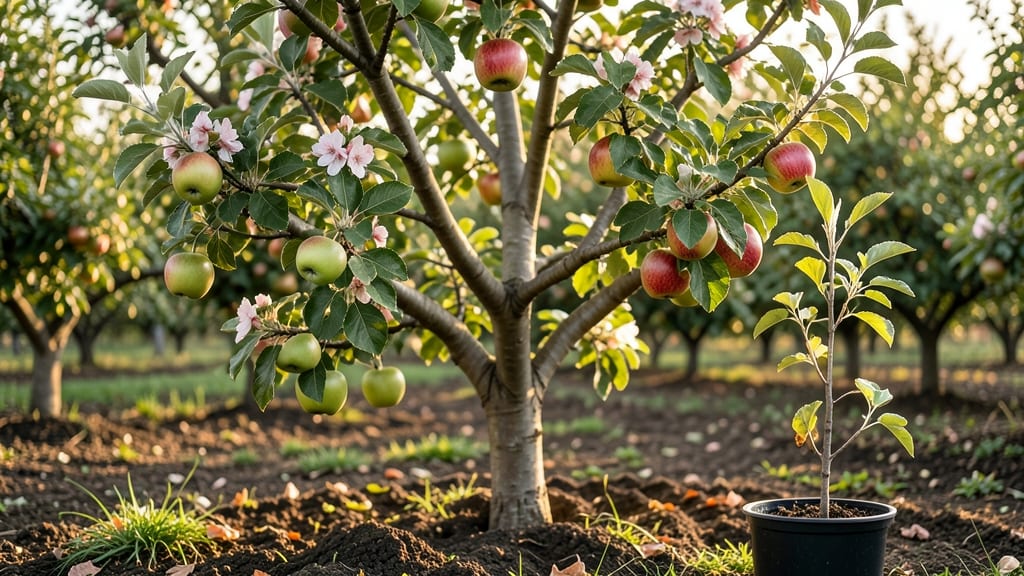
The Honeycrisp apple tree growth rate is a mix of patience and strategy—your 🍎 3-foot sapling today could be a 15-foot fruit-bearing giant in just 6 years, but only if you time care right.
Picture this: You plant your tree in spring, dreaming of crisp apples by summer. But without knowing the year-by-year milestones, you might over-prune, under-feed, or—worse—give up when growth slows. The truth? First fruit arrives in year 4 or 5, and peak harvests take 8-10 years to reach.
That’s why understanding the stages—from seedling to mature tree—isn’t just helpful, it’s essential.
Climate, soil, and sunlight play bigger roles than most gardeners realize. In Zone 6, your tree might grow 2 feet per year in ideal conditions, but poor drainage or shade can cut that in half.
We’ll break down the key factors that speed up or stall growth, plus how to spot signs your tree is thriving (or struggling).
Ready to turn your backyard into an orchard? Here’s exactly what to expect each year, how to optimize growth without shortcuts, and when to start celebrating your first harvest—because that first Honeycrisp bite is worth every wait.


Honeycrisp apple tree growth stages: how fast does it mature?
When you plant a Honeycrisp apple tree, patience becomes your gardening companion. Unlike fast-growing annuals, apple trees take time to reach their full potential—typically 5-7 years before producing meaningful harvests. Understanding each growth stage helps you set realistic expectations and provide the right care at the right time.
From a tiny seedling to a fruit-bearing giant, your tree's journey depends on climate, soil quality, and your gardening efforts.
In USDA Zone 6 (the default for this guide), a Honeycrisp apple tree follows a predictable growth pattern. Standard varieties can reach 15-25 feet tall and spread 12-18 feet wide at maturity, while dwarf varieties stay manageable at 8-12 feet.
The key to faster maturity lies in optimal growing conditions, which we'll explore in detail below. Whether you're planting in your backyard or a container, knowing these stages will help you nurture your tree efficiently.
🌱 Growth Milestones Summary:
| Stage | Age | Height | Width | Key Growth Notes |
|---|---|---|---|---|
| Seedling | 0-1 Year | 1-3 ft | 1-2 ft | Focus on root development; minimal pruning |
| Juvenile | 2-4 Years | 8-12 ft | 6-10 ft | Rapid vertical growth; establish framework branches |
| Mature | 5-7 Years | 12-18 ft | 10-15 ft | First significant fruit production; prune for airflow |
| Fully Mature | 8+ Years | 15-25 ft | 12-18 ft | Peak yield; regular pruning maintains health |
The first year after planting is all about establishing roots. Your Honeycrisp sapling will grow 3-5 feet tall if planted in well-draining soil with 6+ hours of sunlight daily.
During this stage, avoid heavy pruning—focus on watering deeply once a week and adding 2-3 inches of organic mulch to retain moisture. Overwatering or poor drainage can stunt growth, so amend clay soil with compost or sand if needed.
By year 2-4, your tree enters its juvenile phase, where it can grow 3-5 feet per year under ideal conditions. This is when you'll see the tree develop its main scaffold branches, which determine its future shape.
Prune during late winter or early spring to remove water sprouts and crossing branches. In Zone 6, young trees benefit from winter protection, like wrapping the trunk with tree guard to prevent rodent damage.
At 5-7 years old, your Honeycrisp tree reaches maturity and starts producing meaningful fruit. You can expect 50-100 apples per tree in its first harvest, though yields increase in subsequent years.
This stage requires regular pruning to improve air circulation and sunlight penetration, reducing disease risk. Fertilize with a balanced 10-10-10 NPK in early spring and late summer to support fruit development.
After 8 years, your tree enters its fully mature phase, capable of producing 200+ apples annually if well-maintained. Standard varieties may reach 25 feet tall, while dwarf varieties stay under 12 feet.
At this stage, thinning fruit becomes essential—removing 25% of blossoms ensures larger, higher-quality apples. Monitor for common apple pests like codling moths and aphids, using organic sprays or neem oil as needed.
Several factors can accelerate or slow your Honeycrisp tree's growth. Full sun exposure (6-8+ hours daily) is non-negotiable—shady spots reduce fruit quality and yield. Soil pH
Honeycrisp apple tree yield timeline: when will it produce fruit?
Patience is key when growing a Honeycrisp apple tree, as it typically takes 3 to 5 years before producing meaningful fruit. While some trees may show early blooms, the first harvest-worthy apples usually appear in year 4 or 5.
Understanding this timeline helps you set realistic expectations and plan your orchard accordingly.
Your tree’s yield potential depends on several factors, including climate zone, pruning practices, and soil health. In northern climates (Zones 3-5), trees often mature slightly slower due to shorter growing seasons, while southern climates (Zones 6-8) may see earlier fruiting.
Let’s break down what to expect year by year.
-
Year 1Establishment Phase: Focus on root and trunk growth. No fruit expected; prioritize watering and pruning for structure.
-
Year 2Early Bloom: May produce 10-20 flowers, but fruit is unlikely to mature. Remove excess blooms to encourage stronger growth.
-
Year 3First Potential Fruit: Light harvest of 5-15 apples possible, but quality may be inconsistent. Thin fruit to improve size.
-
Year 4-5First Full Harvest: Expect 50-100 apples per tree. Prune aggressively to improve air circulation and fruit quality.
-
Year 6+Peak Production: Mature trees yield 150-300 apples annually. Regular pruning and fertilization maintain high yields.
Pruning plays a critical role in yield timing. Open-center pruning encourages earlier fruiting by promoting light penetration, while central leader pruning delays production slightly but supports taller growth. I recommend summer pruning to shape your tree and remove water sprouts, which divert energy from fruit production.
In northern climates, where winters are harsh, your tree may take an extra year to establish before fruiting. Focus on winter protection, like wrapping the trunk, and ensure well-draining soil to prevent root rot.
Southern growers, on the other hand, can expect slightly faster maturation due to longer growing seasons and milder winters.
Once your Honeycrisp apple tree reaches peak production, it can yield fruit for decades with proper care. However, yields naturally decline after 20-25 years, signaling it’s time to consider replacement. Regular soil testing and pH adjustments (ideal range: 6.0-6.5) will keep your tree productive long-term.
🌱 Remember, every tree is unique—some may fruit earlier or later based on growing conditions. Keep detailed notes on your tree’s progress, and don’t hesitate to consult local agricultural extensions for climate-specific advice. With patience and care, your backyard will soon be bursting with those coveted Honeycrisp apples!