
Trees
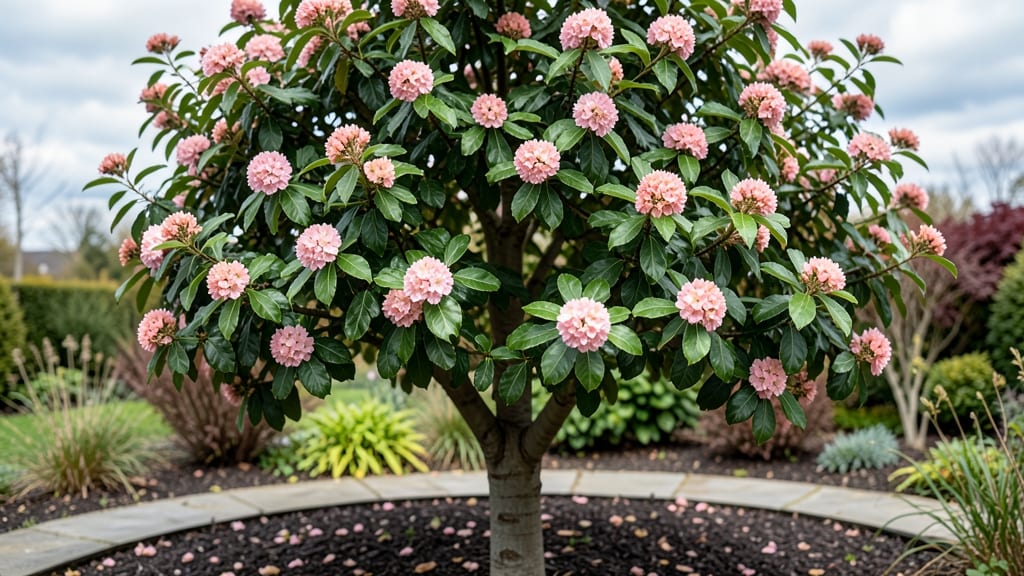
The flowering pear tree growth rate can transform your yard in just a few years—if you choose the right variety and give it the right care.
Picture this: a 20-foot shade tree with fragrant spring blooms 🌸, all grown from a sapling in under a decade. That’s the magic of fast-growing flowering pears, but not all varieties deliver the same speed.
Some hit 3 feet per year in ideal conditions, while others lag behind—unless you know the tricks to push their growth.
In this guide, I’ll break down the fastest-growing types, how to spot the ones that shoot up fastest, and the simple adjustments that can add a foot or more to your tree’s height each season.
No guesswork, just proven tips from gardeners who’ve seen these trees go from sapling to showstopper in record time.
Ready to skip the years of waiting? Let’s get into the varieties that grow the fastest—and how to give yours the best shot at reaching its full potential, even in your zone.


Fastest flowering pear tree varieties & their annual growth rates
If you're looking for a fast-growing flowering pear tree that delivers stunning spring blooms and rapid shade coverage, you're in the right place. These trees aren't just beautiful—they're powerhouses of growth, with some varieties gaining 3-5 feet per year under ideal conditions.
Whether you're landscaping a small yard or need quick privacy, these top 5 fastest-growing varieties will transform your outdoor space in record time.
Flowering pear trees (Pyrus calleryana) are prized for their disease-resistant nature and low-maintenance care, but not all varieties grow at the same speed. Some, like the 'Aristocrat' or 'Chanticleer', are bred specifically for rapid height gains while maintaining compact forms.
Let's dive into the specifics so you can choose the perfect variety for your goals and space.
Note: Growth rates can vary based on soil quality, sunlight exposure, and watering consistency. The numbers below reflect average growth in USDA Zones 6-9 with proper care. For faster results, focus on well-draining soil and regular pruning to encourage vertical growth.
| Variety | Average Annual Growth (ft/year) | Mature Height (ft) | Spread (ft) | Best For |
|---|---|---|---|---|
| 'Aristocrat' | 4-5 ft | 25-35 ft | 15-20 ft | Quick shade, urban landscapes |
| 'Chanticleer' | 3-4 ft | 20-25 ft | 12-15 ft | Small yards, container planting |
| 'Bradford' | 3-5 ft | 30-40 ft | 20-30 ft | Large properties, privacy screens |
| 'Cleveland Select' | 2-3 ft | 25-35 ft | 15-20 ft | Disease resistance, slow spread |
| 'Capital' | 3-4 ft | 20-25 ft | 12-15 ft | Small spaces, street trees |
Growth Tip: Mulch annually to retain moisture and boost root development by 20-30%.
The 'Aristocrat' variety stands out as the fastest grower, often reaching 4-5 feet per year in ideal conditions. This makes it perfect for quick shade solutions or privacy screens in urban areas where space is limited.
If you're working with a small yard, the 'Chanticleer' is an excellent choice—it grows 3-4 feet annually while maintaining a compact form that won't overwhelm your landscape.
For those with larger properties, the 'Bradford' is a classic for a reason. While it grows 3-5 feet per year, its vibrant pink blooms and disease resistance make it a standout. Just be prepared for its wider spread, which can reach 20-30 feet at maturity.
If you're prioritizing disease resistance over speed, 'Cleveland Select' is a reliable option with 2-3 feet of growth annually.
When selecting a variety, consider your long-term space needs. A 'Bradford' might grow too large for a backyard patio in 5 years, while a 'Ch
How to maximize flowering pear tree height growth yearly
Want your flowering pear tree to reach its full height faster? With the right care, you can boost annual growth by 20-50% compared to average rates. The key lies in understanding how to optimize soil conditions, watering schedules, and pruning techniques to encourage rapid vertical growth.
Let's dive into the proven strategies that will transform your tree into a towering beauty in record time.
Flowering pear trees typically grow 12-24 inches per year under ideal conditions, but with targeted care, you can push that to 2-3 feet annually. The secret isn't just about water or fertilizer—it's about creating the perfect environment for your tree to thrive.
From the moment you plant, every decision you make will impact how quickly your tree reaches for the sky.
- 1
- 2
- 3
- 4
- 5
One of the most critical factors for rapid growth is proper pruning. Many gardeners make the mistake of pruning in the wrong season or removing too much foliage at once.
Instead, focus on structural pruning in late winter when the tree is dormant. This encourages new growth in spring and helps your tree develop a strong framework for upward expansion.
Don't forget about seasonal adjustments. In the first year, your flowering pear tree will need more frequent watering—about once a week—to establish a robust root system.
Once established, you can reduce this to bi-weekly watering during dry periods. Always water in the morning to minimize evaporation and reduce the risk of fungal diseases.
For even faster results, consider planting your flowering pear tree in full sun locations with at least 6 hours of direct sunlight daily. Trees grown in partial shade may grow more slowly and produce fewer blooms.
If you're in a cooler climate, choose a south-facing spot to maximize sunlight exposure during the growing season.
With these strategies, you'll see your flowering pear tree reach new heights year after year. The key is consistency—stay on top of watering, fertilizing, and pruning, and your tree will reward you with rapid growth and stunning seasonal blooms. Happy gardening! 🌳