
How To
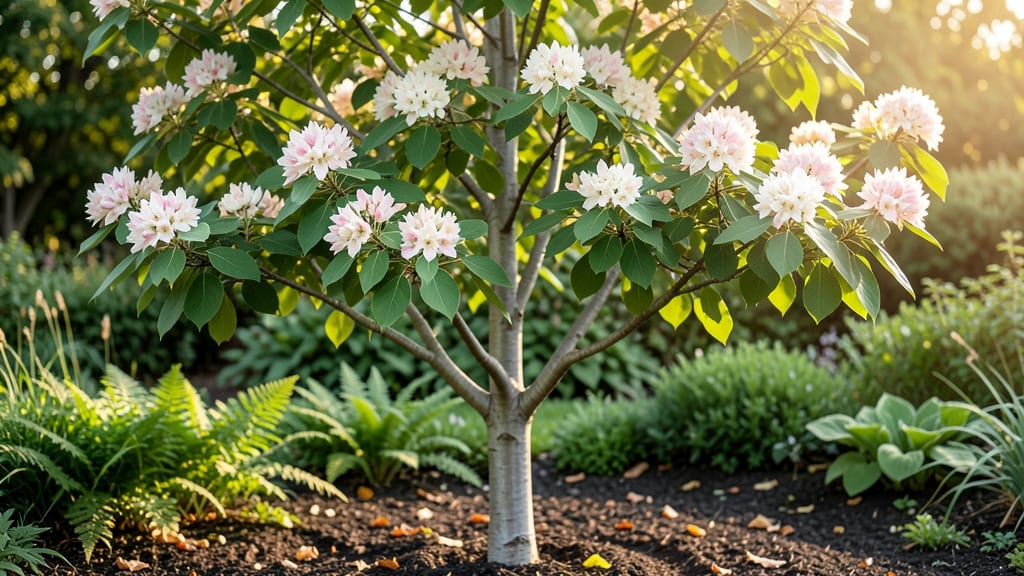
How tall does a dogwood tree grow? Its mature height can range from 8 feet to over 30 feet, depending on the variety you choose.
If you're dreaming of adding a dogwood tree to your landscape but wondering whether it will dwarf your yard or blend seamlessly into it, you're not alone. These trees offer stunning spring blooms and year-round interest, but their size can vary dramatically—from compact shrubs to towering shade trees.
For small spaces, dwarf varieties like 'Taylor' or 'Cherokee Brave' stay under 12 feet, making them perfect for patios or urban gardens. On the other hand, standard varieties like the Pacific dogwood can reach 20–30 feet, ideal for larger landscapes or as a focal point in a backyard.
In this guide, I’ll break down the height ranges by variety, growth habits, and tips for managing size—so you can pick the perfect dogwood for your space.


Dogwood tree height ranges by variety: from dwarf to giant
Choosing a dogwood tree often comes down to one key question: how tall will it grow? The answer depends entirely on the variety, with some reaching towering heights while others stay compact enough for small yards. Flowering dogwood (Cornus florida) and Pacific dogwood (Cornus nuttallii) are the most popular, but dwarf cultivars like 'Taylor' or 'Cherokee Brave' offer dramatic size differences.
Let’s break down what to expect for each type so you can plan your landscape with confidence.
Understanding a dogwood’s mature height helps with spacing recommendations and long-term placement. A 25-foot Pacific dogwood planted too close to your patio will quickly become a problem, while a 6-foot dwarf variety might get lost in a large garden.
Below, we’ll cover the height ranges, growth habits, and ideal spacing for the most common dogwood varieties to help you make the best choice for your space.
| Variety | Mature Height (ft) | Growth Rate | Ideal Spacing (ft) | Best For |
|---|---|---|---|---|
| Flowering Dogwood (Cornus florida) | 15–25 ft | Slow to moderate | 15–20 ft from structures | Medium yards, focal points |
| Pacific Dogwood (Cornus nuttallii) | 20–35 ft | Moderate | 25–30 ft from structures | Large landscapes, woodland edges |
| Dwarf Dogwood ('Taylor') | 6–8 ft | Slow | 5–8 ft from structures | Small yards, patios, containers |
| Cherokee Brave (Cornus florida) | 10–12 ft | Slow | 8–10 ft from structures | Urban gardens, foundation planting |
| White Wonder (Cornus florida) | 15–20 ft | Moderate | 15–20 ft from structures | Shade trees, medium yards |
The flowering dogwood (Cornus florida) is the most common variety, typically reaching 15–25 feet at maturity. Its growth rate is slow to moderate, meaning it may take 10–15 years to reach full height.
If you’re planting near a fence or walkway, give it at least 15–20 feet of clearance to avoid future pruning headaches. Varieties like 'Cherokee Brave' are slightly smaller, making them ideal for urban gardens or foundation plantings where space is limited.
For those with larger properties, the Pacific dogwood (Cornus nuttallii) is a showstopper, often growing 20–35 feet tall with a broad canopy. This variety thrives in woodland settings or as a specimen tree in spacious yards.
Its rapid growth rate means it can quickly outgrow smaller spaces, so plant it at least 25–30 feet from buildings or driveways to prevent root interference or structural damage.
If you’re working with a small yard or container garden, dwarf dogwoods like 'Taylor' are perfect. These varieties max out at 6–8 feet tall and grow very slowly, making them low-maintenance additions to patios or balconies.
They also require less spacing (5–8 feet), so you can fit multiple trees in tight areas without crowding. Just ensure they get partial shade to prevent leaf scorch in hot climates.
When planning your dogwood’s location, consider its canopy spread, which is often 1.5–2 times its height. A 20-foot Pacific dogwood, for example, could spread up to 30–40 feet wide, so avoid planting it too close to sidewalks or other trees.
Always check the specific variety’s spacing recommendations on the nursery tag, as some cultivars (like 'Cherokee Brave') have narrower canopies than standard types.
How fast do dogwood trees grow? Growth habits and lifespan
Dogwood trees are known for their moderate growth rates, typically gaining 12–24 inches per year depending on the variety and growing conditions. While they’re not the fastest-growing trees, their steady pace makes them predictable additions to any landscape.
Understanding their growth habits helps you plan spacing and long-term care effectively.
Most dogwood trees reach their mature height between 15–30 years, though some dwarf varieties mature faster.
For example, a standard flowering dogwood (Cornus florida) might grow 10–15 feet tall in its first decade, while Pacific dogwood (Cornus nuttallii) can surge to 30+ feet over 20–30 years. Their lifespan often exceeds 50 years with proper care.
Seasonal growth patterns play a key role in dogwood development. Spring is the most active growth period, with new leaves and flowers emerging as temperatures rise. Summer slows growth slightly due to heat stress, while fall and winter focus on root development.
To estimate a dogwood’s future height, multiply its height after 5 years by 2–3 for a rough mature size.
Factors like soil drainage, sunlight exposure, and water availability significantly impact growth rates. Planting in well-draining, slightly acidic soil (pH 5.0–6.5) and providing partial shade (4–6 hours of sun daily) maximizes growth. Overwatering or compacted soil can stunt growth, while mulching helps retain moisture and nutrients.
Pruning is another tool to manage height. Light pruning in late winter removes dead or crossing branches, while structural pruning every 2–3 years shapes the tree and encourages a stronger form. Avoid heavy pruning, as dogwoods produce flowers on old wood, so aggressive cuts can reduce blooms.
With proper care, your dogwood tree will reward you with decades of seasonal interest, from spring blooms to fall foliage and winter bark texture.
Plan for its long-term growth by choosing the right variety for your space and providing consistent care—your patience will pay off with a stunning, low-maintenance tree for generations. 🌳