
How To
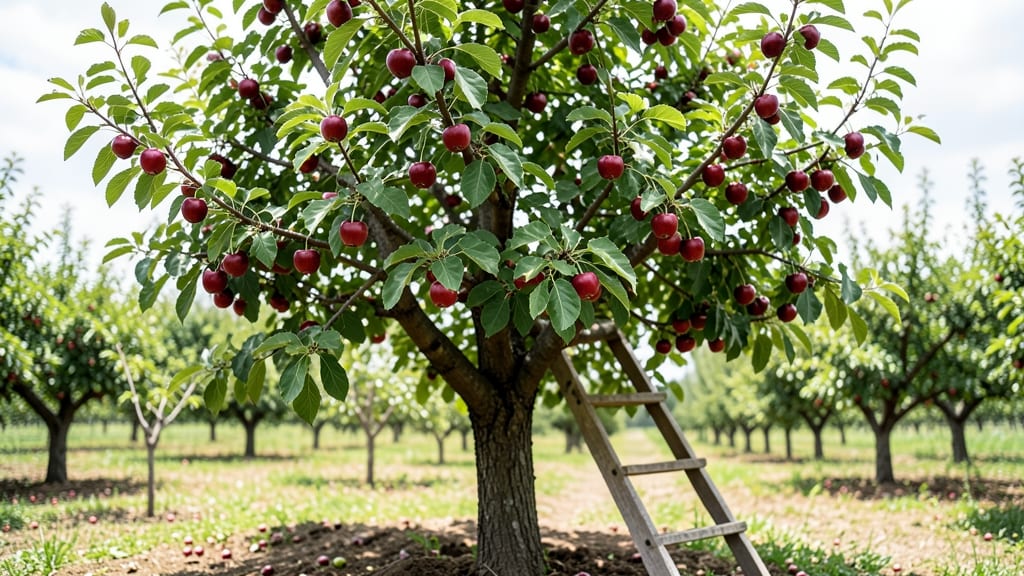
A cherry tree can how tall it can grow—from a manageable 8 feet to towering 60-foot giants—depending on the variety and care you provide.
If you're dreaming of a cherry tree in your backyard but worried about space, you're in the right place—some varieties stay compact while others reach towering heights. The right choice could mean a stunning shade tree or a tiny ornamental centerpiece.
Sweet cherries like the Bing or Rainier often grow between 20 and 40 feet tall, while tart cherries such as Montmorency can hit 30 feet or more. Dwarf varieties, on the other hand, max out around 8 to 12 feet, making them perfect for small yards or containers.
In this guide, I’ll break down the height ranges by variety, share tips for managing growth, and help you pick the perfect size for your space—whether you want a shade provider or a fruit-producing dwarf.


Cherry tree height by variety: from dwarf to giant sizes
Choosing the right cherry tree depends on your space and goals. Some varieties stay under 10 feet, perfect for small yards, while others soar to 60 feet, making them statement pieces in large landscapes.
The key difference lies in the rootstock used during propagation—dwarf varieties are grafted onto stunted rootstock, while standard trees grow from vigorous root systems.
Whether you want a sweet cherry for fresh eating, a tart cherry for pies, or an ornamental cherry for spring blooms, size matters. Below, I’ve broken down the mature heights of popular varieties so you can pick the perfect fit for your garden.
Remember, even "dwarf" trees need proper care to stay compact!
🌱 Pro Tip: Always check the mature height label when buying—nursery descriptions can be misleading. For example, a "semi-dwarf" cherry might still reach 20 feet if not pruned regularly.
Dwarf cherry trees like the Stella® variety are bred to stay under 10 feet, making them ideal for patios or even large containers. These are grafted onto Gisela® rootstock, which naturally stunts growth.
In contrast, standard varieties like Black Tartarian can reach 30–40 feet without intervention, requiring ample yard space and regular pruning to manage height.
Ornamental cherries, such as the Yoshino Cherry, often grow even taller—sometimes exceeding 60 feet—and are prized for their spring blooms rather than fruit.
If you love cherry blossoms but lack space, consider the Weeping Cherry (Prunus subhirtella), which can be trained to stay under 15 feet with proper pruning.
✂️ Pruning Matters: Even dwarf trees can grow taller if not pruned annually. Standard varieties may need structural pruning every 2–3 years to control height. Always prune in late winter before new growth begins.
For tart cherries like Montmorency, semi-dwarf varieties (12–18 ft) are popular because they produce abundant fruit while staying manageable. Sweet cherries, such as Bing, often grow taller (20–30 ft) unless grafted onto dwarfing rootstock.
If you’re short on space, look for columnar cherry trees, which grow only 6–10 feet tall but produce fruit like standard trees.
One common mistake is assuming all "dwarf" trees stay small. Some, like the Lapins® series, are true dwarfs (8–10 feet), while others may stretch to 12–15 feet if not pruned. Always ask the nursery about the rootstock—this determines 80% of the tree’s mature size.
If you’re planting near a fence or structure, leave at least 10–15 feet of clearance for standard trees to avoid future issues. For dwarf varieties, 6–8 feet is usually sufficient. And remember: cherry trees need full sun (6+ hours daily) to reach their full potential height and fruit production.
For urban gardeners, container-growing is an option—just choose a dwarf variety with a large pot (20+ gallons) and ensure it gets enough sunlight. Even then, expect some height growth over time, though it will stay more compact than in-ground trees.
How to choose the right cherry tree size for your space
Selecting the perfect cherry tree size depends on your garden's layout and your long-term vision. A dwarf variety might fit cozy patios, while a standard tree thrives in sprawling backyards. Let's break down how to match your space with the right cherry tree—without sacrificing beauty or fruit production.
First, consider your available space and what you want from the tree.
Do you need shade, fruit, or ornamental flowers? Dwarf varieties like 'Stella' stay under 12 feet, perfect for small yards or containers, while standard varieties like 'Bing' can soar to 40 feet, ideal for large properties or rural settings.
Here’s a quick guide to help you visualize cherry tree sizes and their spacing needs:
- 🌱 Dwarf Varieties (8-12 ft)
- Perfect for containers or small patios
- Plant 6-8 feet from structures or other plants
- Examples: 'Stella', 'Compact Stella'
- 🌳 Semi-Dwarf Varieties (12-18 ft)
- Great for medium-sized yards or as focal points
- Space 10-15 feet from buildings or fences
- Examples: 'Lapins', 'Montmorency'
- 🌿 Standard Varieties (20-40 ft)
- Ideal for large backyards or rural properties
- Plant 20-30 feet from structures for full growth
- Examples: 'Bing', 'Rainier', 'Stella'
- ✂️ Pruning Tips for All Sizes
- Prune dwarf trees annually to maintain shape
- Use thinning cuts for standard trees to improve airflow
- Best time to prune: late winter or early spring
Next, evaluate your sunlight exposure and soil type. Cherry trees need full sun (6+ hours daily) and well-draining soil. If your yard is shady, opt for a dwarf ornamental cherry like 'Okame', which tolerates partial shade better than fruit-bearing varieties.
For urban gardens or small spaces, consider container-growing. Dwarf varieties thrive in large pots with proper drainage. Just ensure the container is at least 24 inches in diameter and use a high-quality potting mix. Remember to water deeply but avoid soggy soil to prevent root rot.
Finally, think about maintenance preferences. Taller trees require more pruning and may need occasional structural support as they grow. If you prefer low-maintenance options, a semi-dwarf variety strikes a balance between manageable size and abundant fruit.
With the right cherry tree size, you can enjoy years of beauty and harvests without overcrowding your space. Start small, plan ahead, and watch your garden transform into a cherry-filled paradise! 🍒