
How To
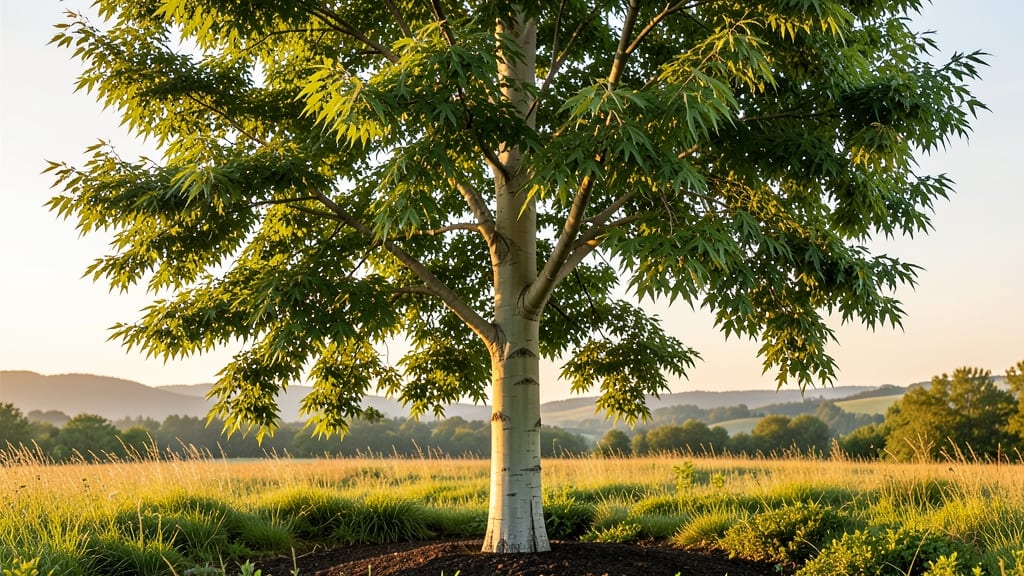
A poplar tree grows to how tall does a poplar tree grow heights that can dwarf even the tallest buildings—some varieties reaching 120 feet or more in ideal conditions.
If you're dreaming of towering shade trees that grow faster than your coffee cools, poplar trees might be your perfect match—but did you know some varieties can reach heights that rival skyscrapers? Before planting, understanding their mature sizes and growth rates is critical to avoiding space (and budget) surprises.
These fast-growing trees can shoot up 6 feet per year under the right conditions, making them a favorite for quick shade. However, their rapid growth means they need plenty of room to spread their roots and branches.
In this guide, you’ll discover the tallest poplar species, how to choose the right variety for your space, and tips to keep them thriving—without turning your yard into a forest.


Poplar tree height comparison: fastest-growing varieties and their mature heights
If you're considering adding a poplar tree to your landscape, you're likely drawn to their rapid growth and towering presence. But not all poplars reach the same heights—some varieties can soar to 120 feet while others stay more manageable.
Understanding these differences is key to selecting the right tree for your space and climate.
Poplar trees are among the fastest-growing trees in the world, with some species adding 6 feet or more per year under ideal conditions. Their mature heights can vary dramatically, from 30 feet for dwarf varieties to over 100 feet for giants.
Let’s explore the tallest poplar varieties and what you need to know before planting.
Eastern Cottonwood and Lombardy Poplar are two of the fastest-growing and tallest poplar species. The Eastern Cottonwood can reach heights of 70-100 feet in as little as 10-15 years, while Lombardy Poplar often exceeds 100 feet with its narrow, columnar shape. These giants are perfect for large properties but require plenty of space to thrive.
Here’s a detailed comparison of the fastest-growing poplar varieties, their mature heights, and growth rates to help you make an informed decision:
The Eastern Cottonwood is one of the fastest-growing poplars, often reaching 70–100 feet in just a decade. Its rapid growth makes it ideal for quickly establishing shade or privacy screens, but its invasive roots can damage nearby structures.
For a more controlled height, the Simon Poplar is a great alternative, typically maturing at 40–60 feet while still offering impressive growth rates.
If you're aiming for a dramatic vertical statement, the Lombardy Poplar is unmatched, with heights exceeding 100 feet and a narrow, columnar shape. This variety thrives in urban environments and tolerates poor soil, making it a popular choice for parks and large estates.
However, its aggressive root system means it’s not suitable for small yards or areas with underground utilities.
When planting poplar trees, consider their growth rates and mature heights in relation to your property. A 100-foot tree planted near your home could lead to future issues with power lines or foundations. Always measure the space available and consult local regulations before planting these giants.
For optimal growth, ensure your poplar tree receives full sun exposure and is planted in well-drained, moist soil. Regular pruning can help manage height and shape, especially for varieties like Lombardy Poplar, which benefit from annual trimming to maintain their iconic columnar form.
🌳
How to choose the right poplar tree for your space: height vs. landscape needs
Poplar trees are fast-growing giants that can transform your landscape overnight—but their mature heights demand careful planning. With some varieties reaching 100+ feet, choosing the right type depends on your property size and intended use.
Whether you need quick shade, a windbreak, or privacy screening, selecting the wrong poplar could mean costly mistakes down the road.
Before planting, measure your available space and consider your sunlight exposure. Most poplars thrive in full sun, but their root systems can spread aggressively—sometimes invading septic lines or foundations.
For small yards, dwarf alternatives like Simon Poplar (growing to 30-40 feet) offer a compromise, while Lombardy Poplars (up to 80 feet) are better suited for larger properties.
⚠️ PROS & CONS BOX ⚠️
For urban or suburban yards, consider Hybrid Poplars like Carlita or Univer, which grow 40-60 feet tall but have narrower canopies than traditional types. These varieties are ideal for narrow spaces or smaller lots where cottonwoods or black poplars would overwhelm.
Always check local regulations—some areas restrict poplar planting due to their aggressive spread.
If your goal is privacy screening, plant multiple poplars in a row with 30-40 feet of spacing between them. For windbreaks, opt for taller varieties like Eastern Cottonwood (up to 100 feet) and space them 50+ feet apart to allow full growth.
Remember: Pruning young trees can help control height, but poplars are fast regrowers, so expect to maintain them regularly.
Before digging, call 811 to check for underground utilities—poplar roots can penetrate concrete and disrupt pipes. For container growing, avoid poplars entirely; their massive root systems make them unsuitable for pots. Instead, consider dwarf willows or ornamental cherries for smaller spaces.
With the right variety and planning, a poplar can be a stunning, low-maintenance centerpiece—but only if you respect its space requirements.
Now that you know the height trade-offs, measure your space and pick a poplar that fits—your future self (and your neighbors) will thank you! 🌳