
Plants
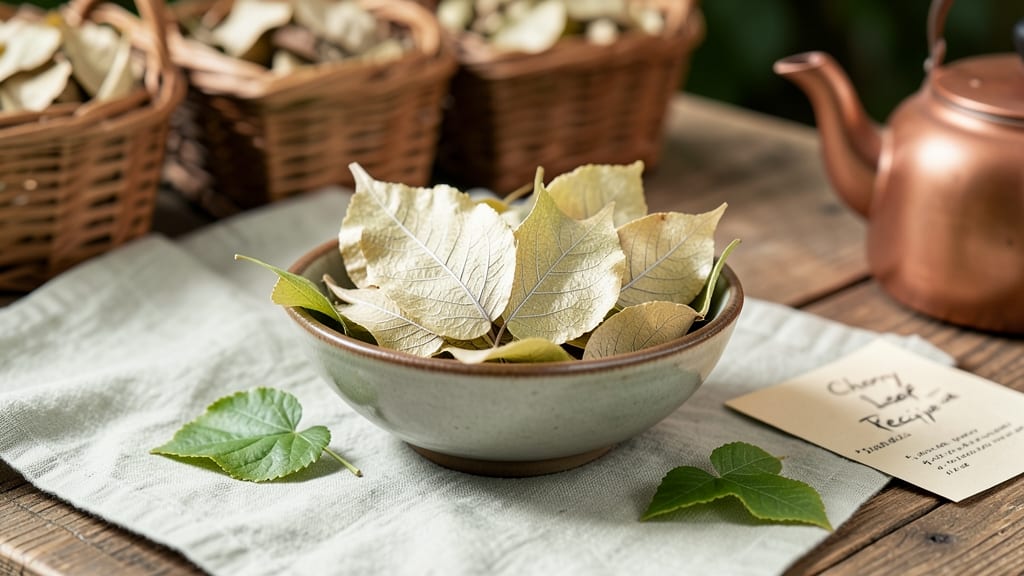
Did you know cherry tree leaves are packed with antioxidants and vitamins? These 10 edible varieties offer unique flavors and health benefits, from soothing teas to gourmet garnishes—perfect for foragers and gardeners alike.
Sweet Cherry Leaf Tea Blend
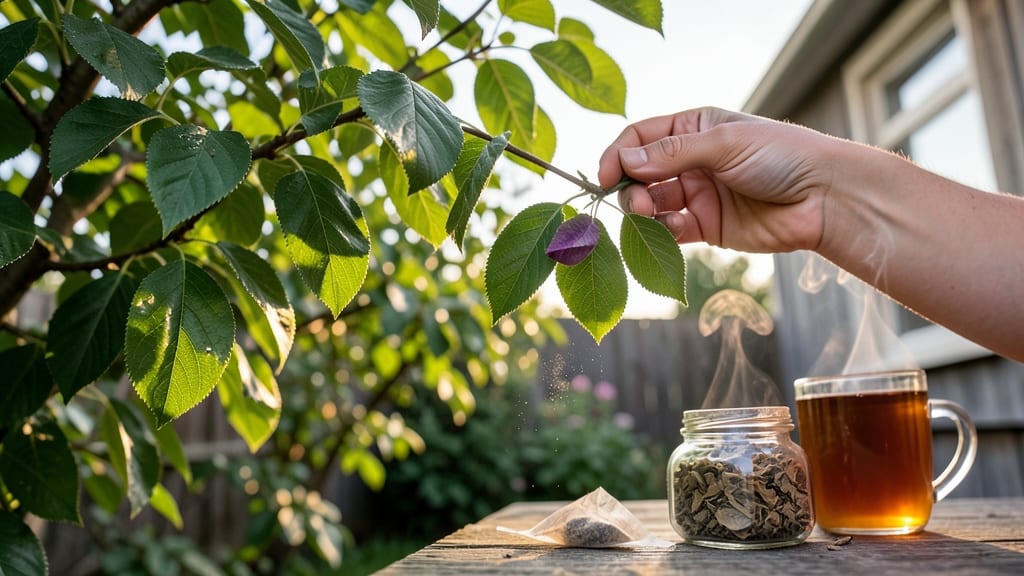
Transform your tart cherry tree into a wellness garden staple by harvesting its leaves for a naturally sweet, caffeine-free tea. The leaves contain anthocyanins and melatonin, making this blend perfect for winding down after a long day or boosting your immune system.
Harvest leaves in the morning after dew has dried but before the heat of the day, when their natural sweetness is most pronounced. Use organic tart cherries (like Montmorency varieties) to avoid pesticide residues. Steep 1-2 teaspoons of fresh or dried leaves in hot water for 5-7 minutes—longer steeping intensifies the flavor but may make it slightly bitter.
This tea is especially beneficial for gardeners dealing with seasonal stress or those who prefer herbal alternatives to black or green tea. Store dried leaves in an airtight container away from light to preserve their anti-inflammatory properties. 🌿
Sour Cherry Leaf Pesto
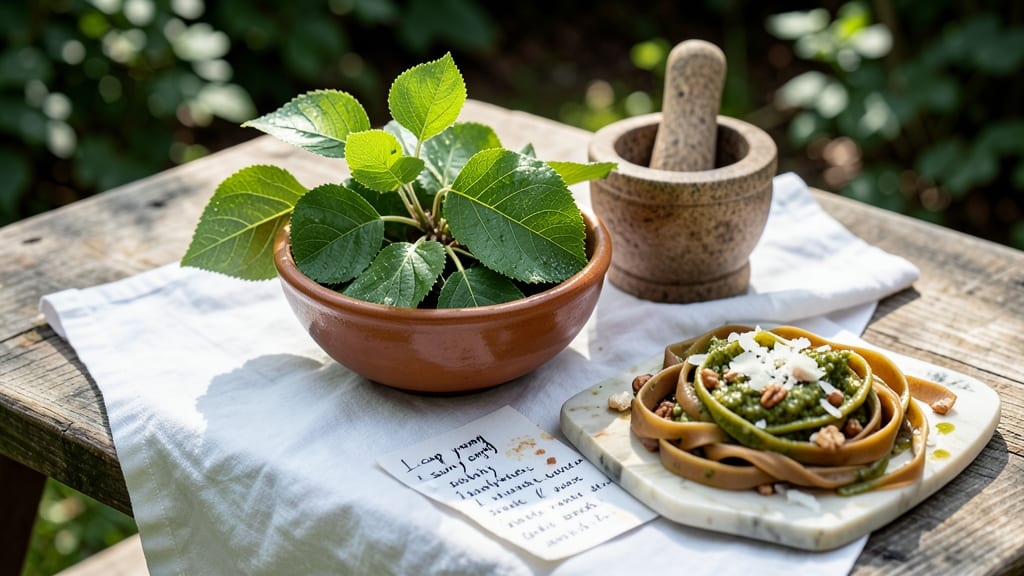
Skip the basic basil pesto—sour cherry leaves bring a bold, tangy twist that elevates your pasta dishes. Their sharp, slightly bitter notes balance creamy textures while adding vibrant color, making every bite feel like a gourmet experience.
Harvest young, tender leaves from sour cherry trees (like Prunus cerasus) in early summer when they’re most flavorful. Combine them with garlic, pine nuts, Parmesan, and olive oil for a pesto that’s fresher than store-bought. For extra depth, add a splash of lemon juice to highlight the leaves’ natural acidity.
This pesto is a game-changer for anyone who loves bold flavors but wants to avoid the same old recipes. Urban gardeners with balcony cherry trees or foragers with access to wild varieties will love this creative way to use every part of the plant. 🌟
Starling Cherry Leaf Infused Honey
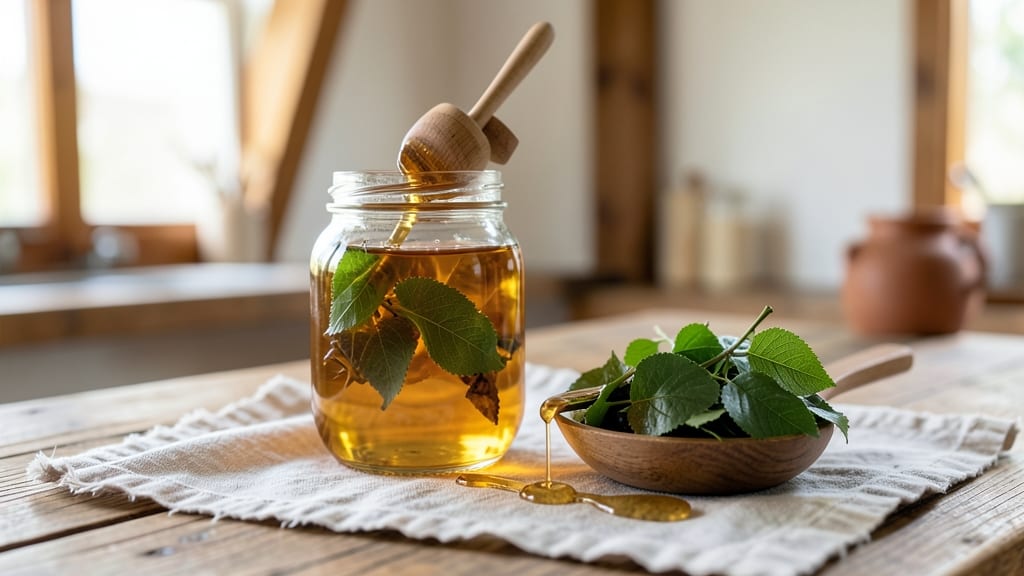
Transform your wild harvest into a golden treasure by infusing starling cherry leaves into honey—a fragrant, soothing elixir with natural antibacterial properties. Unlike store-bought blends, this DIY version captures the unique floral notes of fresh leaves while creating a versatile sweetener for everything from herbal teas to homemade desserts.
Start by harvesting young, tender leaves in late spring or early summer when their flavor is most delicate. Lightly bruise them before adding to raw honey (use a clean mortar and pestle) to release oils, then seal in a sterilized jar for 4-6 weeks in a warm, dark place. Strain and store in the fridge for up to 6 months—perfect for soothing sore throats or drizzling over yogurt.
This method is ideal for foragers, homesteaders, and gardeners who want to maximize their harvest's potential. The resulting honey makes a thoughtful, handmade gift too! 🌿
Black Cherry Leaf Salad Garnish
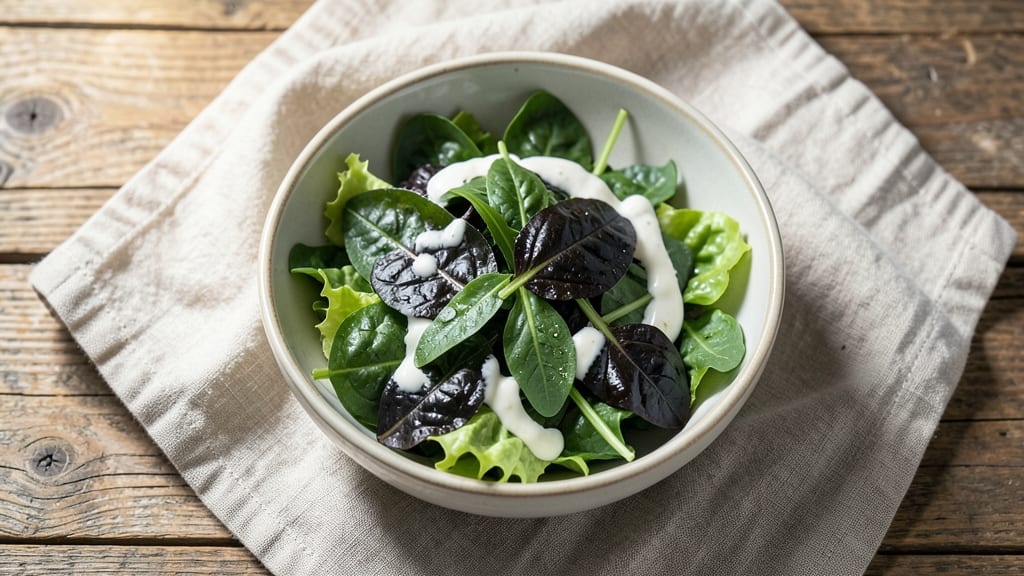
Transform your salads from ordinary to extraordinary with black cherry leaves, nature’s peppery garnish that adds a bold, earthy kick. Unlike milder cherry varieties, these deep green leaves bring a distinctive bite that pairs beautifully with creamy dressings and fresh greens.
Harvest leaves in the late spring to early summer when they’re tender but fully mature, avoiding any with signs of pests or disease. Rinse thoroughly and pat dry before using—just a handful per salad creates a striking visual contrast while enhancing flavor. For an extra touch, lightly blanch leaves in boiling water for 10 seconds to soften their texture.
This is the perfect solution for chefs and home gardeners looking to elevate simple dishes. Their rich color and peppery profile make them a standout garnish that’s as nutritious as it is delicious. 🌿
Dwarf Cherry Leaf Broth Base
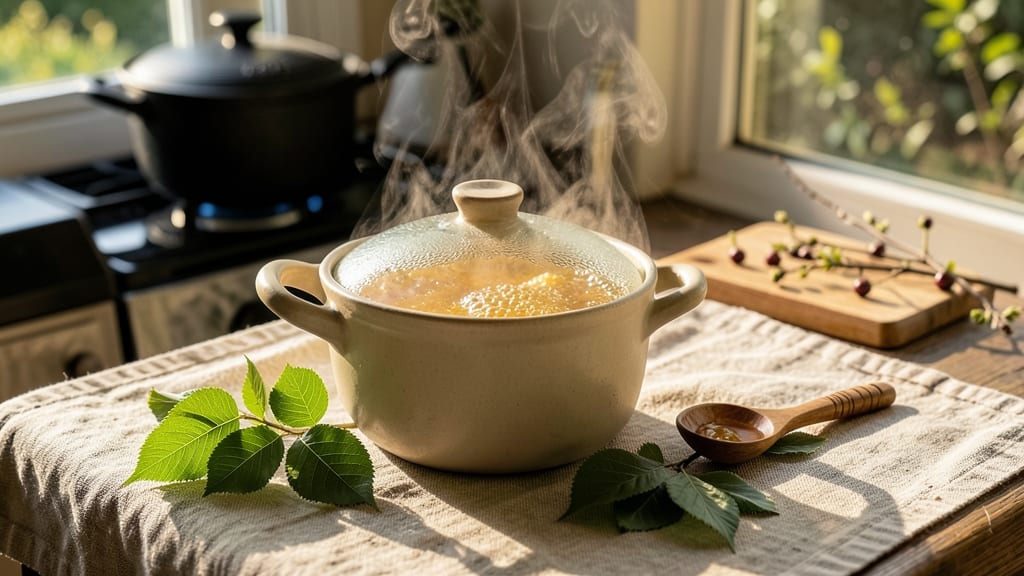
If you love homemade soups and stews but want to avoid store-bought bouillon cubes, dwarf cherry trees are your secret weapon. Their tender, aromatic leaves add a subtle sweetness and earthy depth to broths—perfect for gardeners who want to infuse flavor without overpowering their dishes.
Harvest leaves in early summer when they're young and most tender, avoiding any that show signs of pest damage. Simmer 1-2 cups of fresh leaves in 4 cups of water for 20-30 minutes to extract their nutrients, then strain before adding to your recipe. For a stronger flavor, try drying leaves first and using them like a homemade herb blend.
This technique is ideal for urban gardeners with limited space or anyone who enjoys year-round cooking with homegrown ingredients. Just be sure to use only non-toxic cherry varieties—stick to dwarf fruit cherries like 'Stella' or 'Balaton' for safe culinary use. 🌱
Wild Tart Cherry Leaf Jam
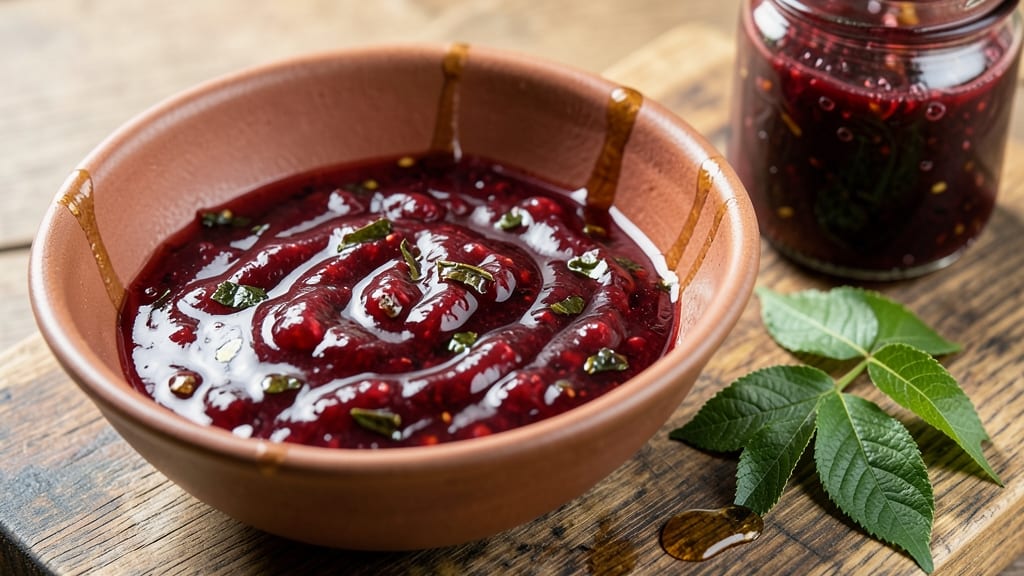
Transform your tart cherry harvest into something extraordinary with wild tart cherry leaf jam—a vibrant, herbal-spiced spread that captures the fruit’s natural acidity in every bite. Unlike traditional fruit jams, this version relies on the leaves’ bright, slightly astringent flavor to balance sweetness, creating a unique condiment perfect for elevating toast, yogurt, or charcuterie boards.
To make it, start by harvesting young, tender tart cherry leaves in early summer before they toughen. Simmer them with a mix of fruit (like unripe cherries or berries) and spices such as cinnamon and ginger for depth. The leaves infuse a subtle herbal note that pairs beautifully with honey or maple syrup, while pectin from the fruit ensures a smooth, glistening finish. Store in sterilized jars for up to 6 months.
This jam is a game-changer for gardeners who want to use every part of their cherry trees—no waste, just flavor! It’s especially great for those who love foraging and experimenting with unconventional ingredients. 🌟
Pin Cherry Leaf Smoked Salt
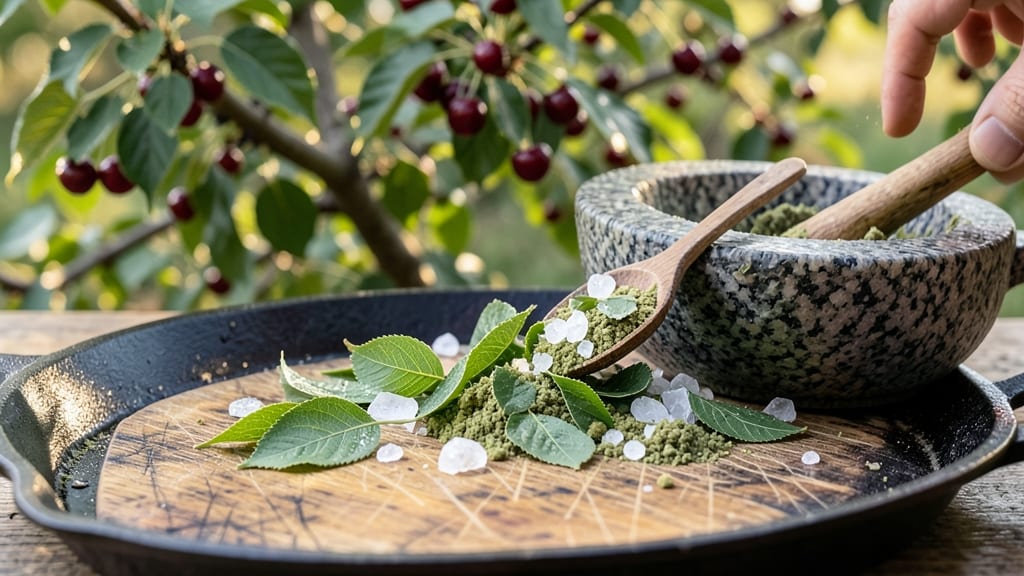
Transform your backyard cherry harvest into a smoky, savory seasoning with pin cherry leaf smoked salt—a unique twist on classic grilling flavors. This method captures the herbal depth of pin cherries (Prunus pensylvanica) while adding a subtle smokiness that elevates everything from grilled meats to roasted vegetables.
Start by harvesting young, tender leaves in late spring or early summer before they harden. Lightly char them over an open flame or in a cast-iron skillet for 30 seconds per side, then mix with flaky sea salt in a 1:3 ratio. Store in an airtight jar away from light to preserve the aroma. The result? A complex, earthy-sweet salt that pairs perfectly with smoky BBQ rubs or sprinkled over fresh salads.
Grilling enthusiasts and urban gardeners with small spaces will love this zero-waste way to repurpose cherry leaves—no fancy equipment needed, just fresh harvests and a little patience. Your flavor profile (and pantry) will never be the same. 🌿
Choke Cherry Leaf Smoothie Booster
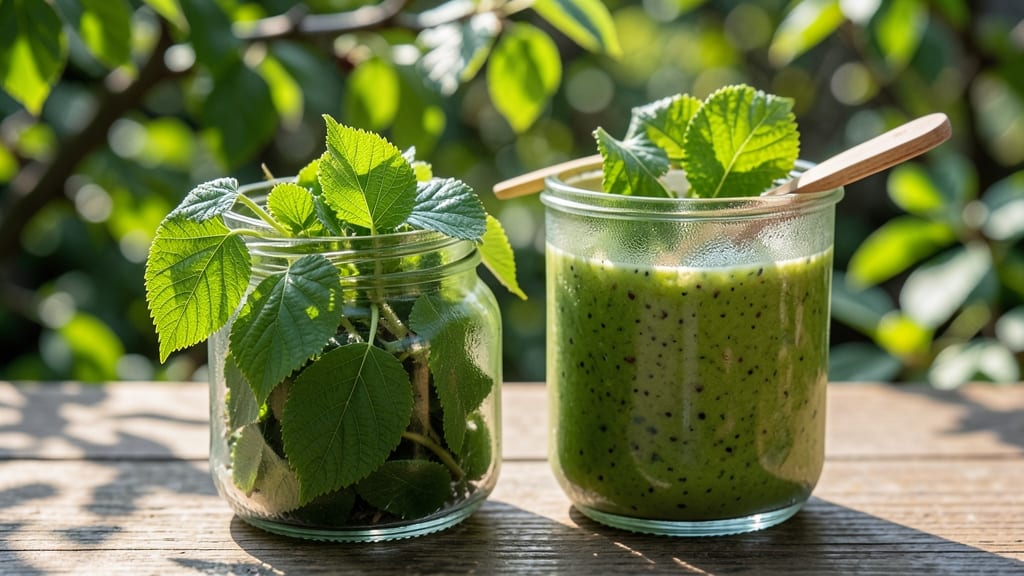
Want to turn your garden’s choke cherry leaves into a nutrient-packed smoothie booster? These earthy, slightly bitter leaves are packed with vitamins A and C, plus antioxidants that give your morning drink a functional edge.
Harvest young leaves in spring or early summer before they develop tougher textures, and wash them thoroughly to remove any debris. Blend 2-3 leaves per serving with banana, spinach, and almond milk for a balanced flavor—start with small amounts to adjust to their mild bitterness. The leaves also add a subtle herbal depth that pairs well with berries or citrus.
This is a game-changer for gardeners who want to use every part of their plants sustainably. Plus, it’s a great way to repurpose leaves that might otherwise go to waste. 🌿
Heartleaf Cherry Leaf Chutney
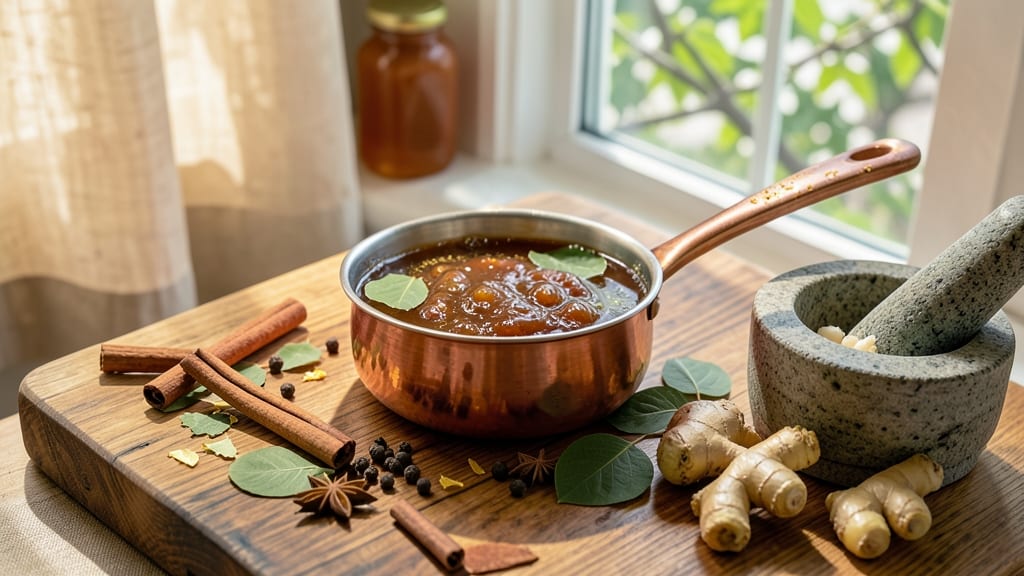
Transform your ornamental heartleaf cherry tree into a culinary star with a homemade chutney that’s as beautiful as it is flavorful. These heart-shaped leaves (from varieties like Prunus serrulata) add a delicate, slightly tart sweetness that pairs perfectly with bold spices.
To make the chutney, harvest young, tender leaves in late spring or early summer before they become tough. Blend them with onions, garlic, ginger, vinegar, and a touch of honey for balance—then simmer until thickened. The result is a vibrant, sweet-spicy condiment that elevates charcuterie boards, grilled meats, or aged cheeses like gouda or blue cheese.
This is the ideal project for gardeners who love dual-purpose plants—using ornamental cherries for both beauty and flavor. Plus, the process encourages you to prune your tree strategically for both aesthetics and harvest! 🌻
Dried Cherry Leaf Seasoning Blend

Turn your cherry tree harvest into a year-round seasoning treasure with dehydrated leaves—no fresh leaves required! This simple preservation method locks in their subtle sweetness and herbal notes, perfect for gardeners who want to maximize their harvest beyond summer.
Start by harvesting young, tender leaves in early summer when they’re most flavorful. Rinse gently, pat dry, and spread them in a single layer on dehydrator trays or a baking sheet at 100°F (38°C) for 4-6 hours until crisp. Store in airtight containers away from light to preserve potency. Use these dried leaves to enhance roasted meats, soups, or even homemade broths—think of them as nature’s umami booster.
This method is ideal for small-space gardeners or those with limited storage. Plus, it’s a great way to experiment with flavors without worrying about freshness. 🌱