
Trees
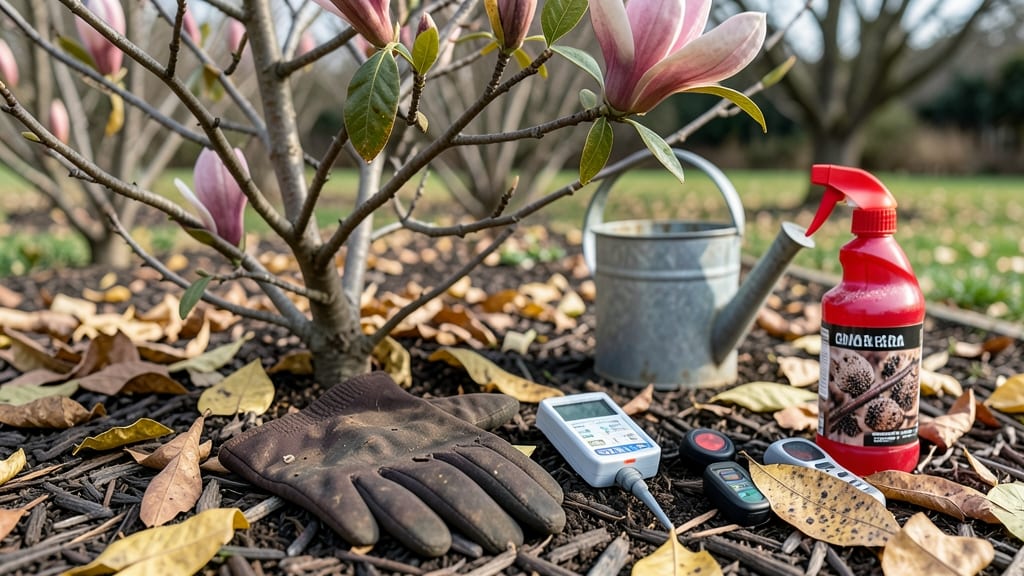
A magnolia tree losing leaves in summer isn’t a death sentence—it’s a cry for help from its roots. 🌿 I’ve seen this happen after scorching heat waves or even overzealous watering, and the fix often comes down to three simple adjustments that restore balance.
The problem usually boils down to root stress from inconsistent moisture or compacted soil. Magnolias hate soggy roots one day and bone-dry soil the next—they need steady, deep hydration, not sporadic soaking. Mulch helps regulate temperature and moisture, but if the roots are already struggling, you’ll need to act fast.
By the end of this week, you’ll see new growth if you adjust watering, improve drainage, and protect those roots from extreme heat. The key is consistency: water deeply but infrequently, and keep that mulch layer thick enough to shield roots from temperature swings.
Works for both young saplings and mature trees—just scale the effort to your tree’s size. Let’s get those leaves back where they belong.
Root Stress Triggers Leaf Drop
Watching your magnolia tree shed leaves in summer can feel like a slow-motion disaster—especially when it’s supposed to be in full bloom! 🌿💨 The truth is, most cases of premature leaf loss in magnolias boil down to root stress.
When roots can’t keep up with the tree’s needs, the leaves become the first casualty. Let’s break down the science behind why this happens and what’s really going wrong underground.
Magnolias are native to humid, subtropical climates, but summer’s scorching heat and dry spells can push them past their comfort zone. When soil moisture drops below 30-40% (a common threshold for root stress), the tree’s vascular system struggles to transport water and nutrients. Here’s how it plays out:
- Water deficit: Roots shrink slightly, reducing their ability to absorb water. The tree prioritizes survival over leafy growth, triggering abscission (leaf drop) to conserve energy.
- Oxygen starvation: Dry soil compacts, creating pockets where roots suffocate. Without oxygen, roots can’t respire properly, leading to root dieback.
- Heat shock: Temperatures above 90°F (32°C) can damage root cells, especially in shallow-rooted magnolias like Magnolia grandiflora. The tree may drop leaves to reduce transpiration (water loss) and cool down.
💡 Pro Tip: Test soil moisture by grabbing a handful—if it crumbles like sand, it’s time to water. Aim for 1-2 inches of water per week (including rainfall), and mulch heavily to retain moisture.
Magnolias thrive in well-draining, slightly acidic soil (pH 5.0–6.5). When soil chemistry or texture is off, roots can’t function efficiently, leading to leaf loss. Common culprits:
| Issue | Why It Causes Stress | Fix It |
|---|---|---|
| Compacted soil | Reduces oxygen flow to roots, stunting growth and nutrient uptake. | Add organic matter (compost or pine bark) and aerate with a fork. |
| Alkaline soil (pH >7.0) | Locks out iron and manganese, causing chlorosis (yellowing) and leaf drop. | Amend with sulfur or peat moss to lower pH gradually. |
| Salinity buildup | From fertilizers or hard water, it dehydrates roots and disrupts nutrient absorption. | Flush soil with 5 gallons of water per square foot and avoid over-fertilizing. |
🔥 Warning: Avoid heavy clay soils—magnolias hate “wet feet.” If drainage is poor, plant on a mound or in raised beds.
While drought stresses roots, too much water is just as deadly. Magnolias hate soggy conditions, which lead to:
- Fungal infections: Pathogens like Phytophthora thrive in waterlogged soil, rotting roots and cutting off nutrient flow to leaves.
- Oxygen deprivation: Roots switch to anaerobic respiration, producing toxic ethanol. The tree drops leaves to “reset” and survive.
- Nutrient leaching: Excess water washes away essential minerals (e.g., nitrogen, potassium), starving the tree.
🌡️ Signs of Overwatering:
- Yellowing leaves with green veins (classic rot symptom).
- Mushy, black roots when inspected.
- Leaves wilting despite moist soil.
💡 Fix It: Improve drainage by adding perlite or coarse sand to the soil. If rot is suspected, prune affected roots (sterilize tools with rubbing alcohol!) and treat with copper fungicide.
Hidden pests and diseases can silently sabotage your magnolia’s roots, forcing it to shed leaves as a defense mechanism. Watch for:
- Root-knot nematodes: Microscopic worms that create galls on roots, blocking water uptake. Leaves may turn yellow or brown in patches.
- Fungal root rot: Often caused by Armillaria (honey fungus), which spreads through soil and girdles roots.
- Grubs or burrowing insects: Japanese beetle larvae or mole crickets chew roots, reducing the tree’s ability to support foliage.
🔍 How to Diagnose:
- Dig carefully around the root zone (6–12 inches deep). Look for:
- Galls or knots on roots (nematodes).
- Black, stringy fungal growth (rot).
- White grubs or tunnels (insects).
🎯 Treatment:
- For nematodes: Apply neem oil or beneficial nematodes (e.g., Steinernema) to soil.
- For fungi: Remove infected roots and treat with copper-based fungicide.
- For insects: Use milky spore powder or beneficial nematodes like Heterorhabditis bacteriophora.
✨ Prevention: Plant magnolias in sterilized soil and avoid overwatering to deter pests.
Most cases of summer leaf drop in magnolias trace back to root stress—but the good news? It’s fixable. By addressing heat, soil, water, and pests, you can help your tree bounce back. Stay tuned for our next section on quick rescue steps to revive your magnolia’s roots! 🌱💪
How to Fix Your Stressed Magnolia
If your magnolia tree is shedding leaves in summer, don’t panic—most cases are fixable with the right care. Below, we’ve mapped the most common causes to practical, step-by-step solutions (plus prevention tips to keep your tree thriving).
Follow the fixes tailored to your tree’s symptoms, and watch those lush leaves return!
Symptoms: Yellowing leaves, soggy soil, or leaves wilting despite wet ground.
Step-by-Step Fix: 🔥 🚰 Stop Watering Immediately
- Overwatering suffocates roots, leading to leaf drop. Let the top 2–3 inches of soil dry out before watering again.
🍳 👨🍳 Improve Soil Drainage
- Dig a shallow trench around the tree (6–12 inches deep) to encourage water runoff. Mix sand or perlite into the soil if it’s heavy clay.
🥘 ⏰ Adjust Your Watering Schedule
- Water deeply but infrequently—once a week (or less) during summer droughts. Use a soaker hose to deliver water slowly to the roots.
💡 Pro Tip: Mulch with 3–4 inches of organic mulch (like pine bark) to retain moisture without smothering roots. Keep mulch 6 inches away from the trunk.
Symptoms: Crispy, brown edges on leaves, slow growth, or leaves curling up.
Step-by-Step Fix: 💦 🌡️ Boost Hydration Gradually
- Water early in the morning (before 10 AM) to reduce evaporation. Aim for 1–1.5 inches of water per week, including rainfall.
🌿 🎯 Provide Temporary Shade
- If your tree is in full sun, drape shade cloth (30–50%) over it for 2–3 weeks. Avoid sudden shade changes—acclimate the tree slowly.
🍎 💪 Fertilize Lightly (If Needed)
- Apply a balanced, slow-release fertilizer (like 10-10-10) in early summer. Avoid high-nitrogen fertilizers—they stress roots in heat.
✨ Bonus: Wrap the trunk with burlap or tree wrap to protect it from sun scald if your magnolia is young.
Symptoms: Holes in leaves, sticky residue (sap), wilting, or fungal spots.
Step-by-Step Fix: 🐜 🔪 Identify the Culprit First
- Scale insects? Scrape off with a stiff brush or use neem oil spray.
- Magnolia scale? Prune heavily infested branches and treat with horticultural oil (follow label instructions).
- Fungal issues (like anthracnose)? Remove infected leaves and apply copper fungicide every 2 weeks until symptoms fade.
🚿 🌧️ Encourage Natural Defenses
- Water the base of the tree (not leaves) to deter fungal spores. Avoid overhead sprinklers.
💡 Pro Tip: Invite beneficial insects (like ladybugs) by planting marigolds or dill nearby—they’ll prey on pests naturally!
Symptoms: Slow growth, yellowing leaves, or roots circling above the soil.
Step-by-Step Fix: 🔪 🌱 Aerate the Roots Gently
- Use a hand trowel or root aerator to loosen soil around the drip line (where branches extend). Go 8–12 inches deep.
🍂 🥗 Amend the Soil
- Mix in compost or peat moss to improve texture. For clay soil, add sand or coconut coir.
🌳 ⏰ Consider Repotting (If Young Tree)
- If your magnolia is in a container, repot into a larger one with fresh, well-draining soil.
💡 Prevention Tip: Mulch annually to prevent soil compaction and keep roots healthy.
If your tree is severely stressed, prune only the most damaged branches to redirect energy to healthy growth. Use sterilized pruners and cut at a 45-degree angle just above a leaf node.
Remember: Magnolias are tough—they’ll bounce back with the right care! Start with one fix (like drainage or watering), monitor for 2–3 weeks, then adjust as needed. 🌿✨
Frequently asked questions
Why does my magnolia drop leaves in summer even with regular watering?
Summer leaf drop often happens when roots struggle with heat stress or compacted soil, even with consistent watering. Magnolias need 1-2 inches of water weekly (including rain), but if the soil stays too dry or too wet, roots suffocate. Test soil moisture by grabbing a handful—if it crumbles like sand, water more deeply. If it stays clumpy, improve drainage with organic matter like compost.
Can I save my magnolia if half its leaves are already gone?
Yes! Magnolias are resilient—focus on root recovery first. Stop watering if soil is soggy, and adjust to deep, infrequent watering (every 7-10 days). Add 3-4 inches of mulch to regulate soil temperature, and check for pests like scale insects or fungal rot. With proper care, new leaves should appear in 4-6 weeks.
Is it normal for young magnolia trees to lose leaves in summer?
Young magnolias are more sensitive to environmental shocks like heat or transplant stress. If your sapling is under 3 years old, provide light shade (50% shade cloth) for 2-3 weeks and water early in the morning to prevent evaporation. Avoid fertilizing—focus on soil hydration and mulching instead.
How do I tell if my magnolia is overwatered vs. underwatered?
Check the soil and leaves: Overwatered trees have yellow leaves with green veins and mushy roots, while underwatered ones show brown, crispy edges and dry, brittle roots. For overwatering, improve drainage with perlite or sand. For underwatering, water deeply until soil is moist 6 inches down, then mulch to retain moisture.
Will pruning help my magnolia regrow leaves faster?
Prune only dead or severely damaged branches—never more than 25% of the canopy. Avoid heavy pruning in summer, as it stresses the tree further. Focus on root care first (water, drainage, mulch), then prune in late winter when the tree is dormant. Sterilize tools with rubbing alcohol to prevent disease.