
Featured
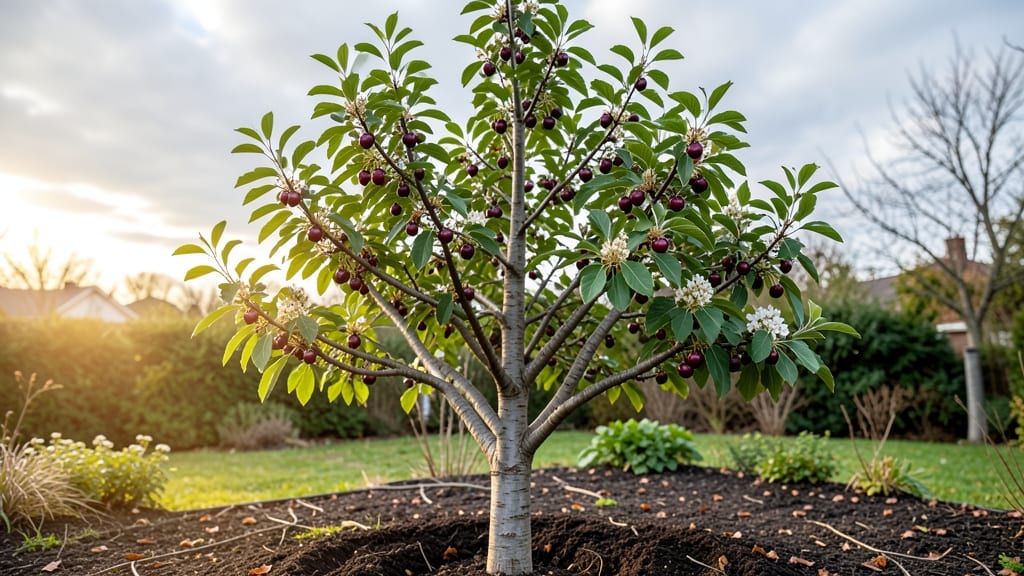
Canada Red cherry tree fruit reaches peak ripeness in mid-to-late summer, between July and August, when the cherries develop a deep ruby hue, yield slightly to gentle pressure, and separate cleanly from the stem. This timing guarantees the most intense sweetness and vibrant flavor.
The Canada Red cherry tree produces fruit that transforms dramatically as it ripens. 🌿 What starts as a pale green hue gradually deepens into that signature rich red color, signaling the fruit's readiness.
The texture becomes slightly softer, almost yielding when you press a fingertip against the skin—a key visual and tactile cue. Temperature plays a surprising role here: cooler summer nights actually enhance the fruit's natural sugars, making each bite more flavorful.
I've found that harvesting at this precise stage isn't just about color—it's about that perfect balance between firmness and tenderness that defines a truly exceptional cherry.
What's interesting is how these cherries behave differently from other varieties. Unlike some tart cherries that ripen earlier, Canada Reds develop their full sweetness only when fully mature. This makes timing everything—harvest too early, and you'll miss that peak flavor window that lasts just a few days.
The stem detachment test is your best friend here: if the cherry comes off with minimal effort, it's ready to be picked. I always recommend harvesting in the morning when temperatures are cooler, as this preserves the fruit's freshness longer after picking.
💡 In This Article
- How to Identify Perfectly Ripe Canada Red Cherries
- Best Practices for Harvesting and Storing Canada Red Cherries
How to identify perfectly ripe Canada Red cherries
The ripening process of Canada Red cherries involves a fascinating interplay between color development and internal biochemical changes. These cherries begin as a pale green, almost translucent shade, then gradually transform through a pinkish phase before reaching their signature deep ruby hue.
This color shift occurs as chlorophyll breaks down and anthocyanins—water-soluble pigments responsible for the red color—become dominant.
What's particularly striking is how this transformation happens unevenly across the fruit: the side exposed to the most sunlight will often ripen first, creating a natural gradient that's visually appealing and a great indicator of maturity.
The texture shift is equally important.
When ripe, Canada Red cherries develop a slight yielding quality when pressed gently with your thumb—think of the give you'd expect from a perfectly ripe peach, but with a firmer structure. 🌱 The skin also becomes slightly glossy, almost waxy, which is a sign that the fruit's natural sugars have fully developed.
Interestingly, the stem attachment point softens too, which is why the detachment test works so well: a ripe cherry will separate cleanly from the stem with just a slight twist.
Temperature plays a crucial role here—cherries grown in regions with cooler summer nights (like parts of Ontario or the Pacific Northwest) tend to develop more complex flavors due to slower sugar conversion rates.
What makes Canada Red cherries unique is their flavor profile evolution. Initially tart when unripe, they develop a balanced sweetness that's less cloying than some commercial varieties.
The peak flavor window occurs when the cherries reach 12-14° Brix (a measure of sugar content), which typically aligns with that deep red color and slight softening.
This is where the stem test becomes your most reliable tool—unlike color alone, which can be influenced by sunlight exposure or tree stress, the stem detachment provides an internal maturity indicator that's harder to fake.
Here's a quick visual checklist to confirm ripeness:
- Color: Uniform deep ruby red (not patchy or green-tinged)
- Texture: Yields slightly when pressed (like a ripe plum)
- Stem test: Detaches cleanly with gentle twisting
- Aroma: Faintly sweet, almost floral scent near the stem
One common mistake is harvesting based solely on color. Some cherries may look ripe but taste underdeveloped if picked too early in the morning when sugars haven't fully converted. Conversely, waiting too long can lead to mealiness—a texture change caused by cell breakdown that turns the fruit mushy.
The sweet spot is that 2-3 day window when the cherries are at their firmest yet most flavorful.
For the most accurate timing, I recommend checking cherries every 2-3 days during the peak ripening period (usually July 15-August 10 in most growing zones).
The flavor difference between a perfectly timed harvest and one that's just a few days off can be dramatic—think the difference between a 90-point wine and a 85-point one. That's why experienced growers often harvest in batches, focusing on clusters that show the most consistent ripening cues.