
Plants
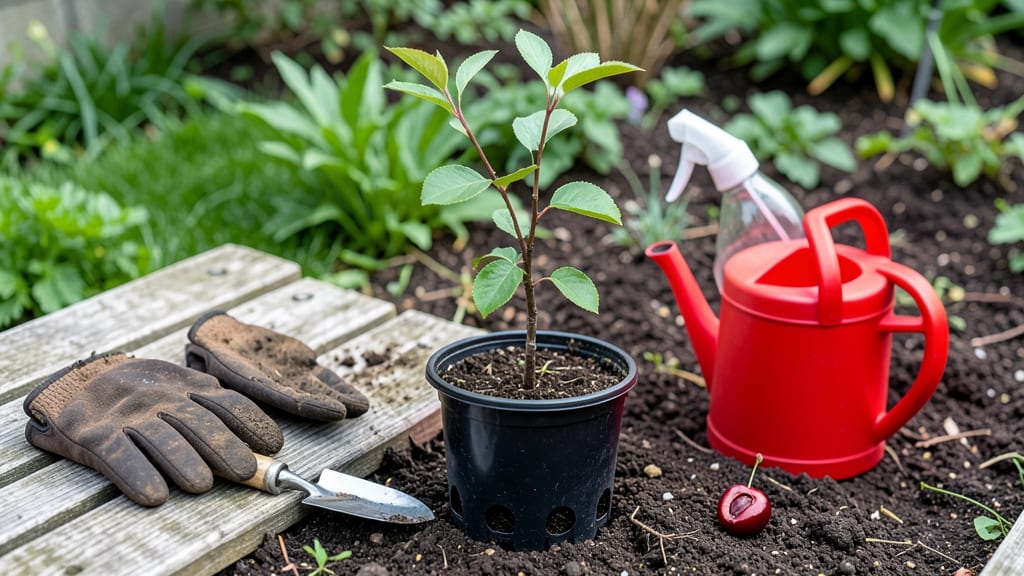
You can plant a cherry tree from a cherry pit, but success depends on patience and preparation: only 1-5% of pits will sprout, and the resulting tree may take 5-10 years to bear fruit—and it won't match the parent's variety. Proper care through each growth stage dramatically improves survival odds.
Growing a cherry tree from a pit taps into nature's slow process, where each seed carries its own genetic quirks. 🌱 Unlike nursery-bought saplings, these seedlings develop unique traits—some may even produce fruit, but it could take decades.
The key lies in mimicking winter's cold period (stratification) to break seed dormancy, which is why many gardeners soak pits in water for weeks before planting. Even then, most pits won't sprout, making this a gamble best suited for adventurous growers with space and time to spare.
What makes this method fascinating is how it connects you to the tree's wild ancestry. Most commercial cherry trees are grafted for consistency, but seed-grown trees develop natural resilience.
If you're willing to wait, this approach rewards you with a one-of-a-kind specimen—just don't expect it to produce the same sweet cherries as its parent.
💡 In This Article
- Cherry Pit Germination Science: Why Success Rates Are So Low
- Step-by-Step Guide to Growing a Cherry Tree From a Pit
Cherry pit germination science: why success rates are so low
Cherry pits are designed by nature to survive harsh conditions, which explains why their germination rates hover around just 1-5%. The primary reason lies in a biological process called seed dormancy, where the embryo inside the pit remains inactive until environmental conditions are perfect.
Unlike store-bought seedlings, which are carefully selected for high germination, cherry pits carry a built-in survival mechanism that prioritizes timing over speed.
The hard outer shell of the pit contains cyanogenic glycosides, compounds that release cyanide when damaged—a natural defense against predators. This chemical barrier must be broken down before germination can occur.
Even after scarification (scratching the shell) or stratification (simulating winter cold), the pit's genetic variability means only a fraction will successfully sprout. Some varieties, like sweet cherries, have thicker shells that resist cracking, while tart cherry pits often germinate slightly more easily.
Temperature plays a critical role in this process. Cherry pits require a 60-90 day cold period at 35-45°F to mimic natural winter conditions, which triggers the breakdown of dormancy hormones.
Without this stratification, the pit may never sprout—even if planted in ideal soil. 🌱 What's fascinating is that the few pits that do germinate often develop into trees with wild-type traits, meaning their fruit may differ significantly from the parent, including size, sweetness, and even color.
Light exposure also affects germination success. Unlike many seeds that need darkness, cherry pits require moisture and indirect light to stimulate growth. Planting them too deep (more than 2 inches) can suffocate the emerging seedling, while exposing them to direct sunlight too early may dry them out.
This delicate balance explains why gardeners often use a moist paper towel method first—keeping the pit hydrated while allowing minimal light penetration.
The genetic lottery adds another layer of unpredictability. Each cherry pit contains a unique combination of genes from both parent trees, meaning the resulting seedling could inherit traits like disease resistance, drought tolerance, or even completely different fruit characteristics.
This genetic diversity is why seed-grown cherry trees often produce smaller, less uniform fruit compared to grafted varieties, which are bred for consistency.
Consider this: while a nursery-bought cherry tree might bear fruit in 3-5 years, a seedling could take 5-10 years or longer to mature. The extended timeline isn't just about growth—it's about the tree developing a strong root system capable of supporting fruit production.
This slow process is why many gardeners combine pit-growing with grafting later, using the seedling as a rootstock for a desired variety.