
Pruning
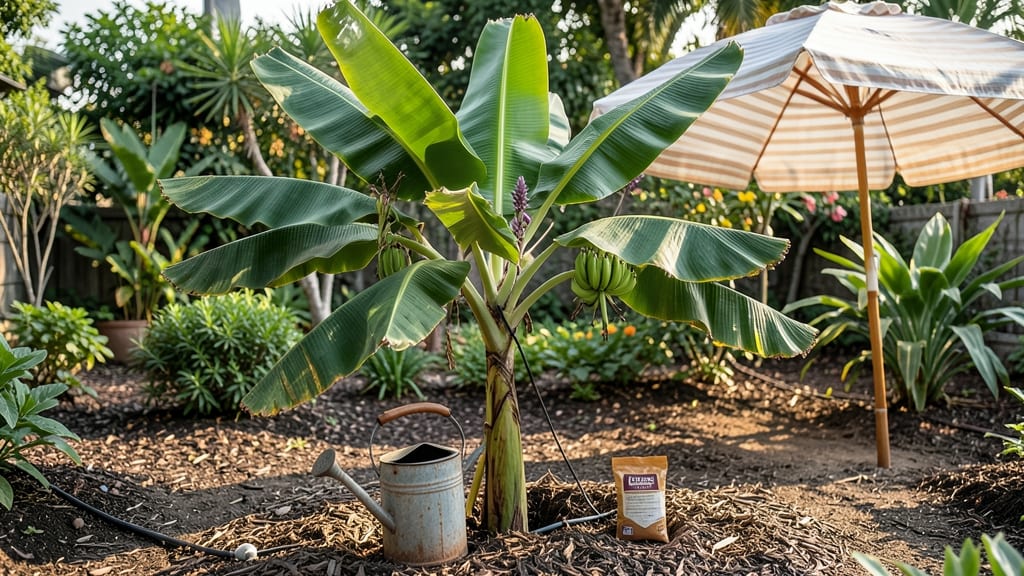
The care of a dwarf Cavendish banana tree won’t stay compact without year-round pruning—it's the secret to keeping those lush, tropical leaves in check while maximizing fruit production. 🌿 I learned this the hard way when my first banana tree shot up like a jungle giant, taking over my patio and producing tiny, underwhelming fruit.
The dwarf variety is designed to stay manageable, but only if you prune regularly to control height and encourage bushier growth.
This isn't about hacking away randomly—it's about strategic cuts that redirect energy to new shoots and fruit clusters. You'll need sharp pruners, a clean workspace, and a plan for when to prune (hint: it's not just once a year).
The goal is to maintain a height of 4-6 feet while keeping the base strong enough to support multiple fruit bunches. Even in containers, proper pruning prevents root-bound stress and keeps the plant productive for years.
What you'll end up with is a banana tree that stays in proportion to your space, produces larger, sweeter fruit than neglected plants, and looks like a tropical oasis without the jungle takeover.
The first pruning session gives you immediate feedback—new shoots emerge within 2-3 weeks, and you'll see the plant's natural shape reveal itself as you work. It's satisfying to watch a plant respond so visibly to your care.
Works equally well for indoor growers with bright windows and outdoor gardeners in warm climates (zones 10-11). The same principles apply whether you're pruning in a 15-gallon container or in-ground—just adjust the scale.
Here's how to do it without turning your banana tree into a sad, leggy shadow of its potential.
📚 In This Guide
- What you need
- Instructions
- Tips and common mistakes
- Wrapping up and next steps
What you need
- ● Dwarf Cavendish banana plant – Look for a healthy, disease-free sapling (1-2 years old).
- ● Well-draining potting mix – A blend of 60% peat or coconut coir, 20% perlite, and 20% compost (or a high-quality banana-specific mix).
- ● Container or garden plot – Pot size: At least 15-20 gallons (for mature plants) with drainage holes.
- ● Garden bed: Choose a sunny spot with loose, fertile soil (pH 5.5–7.0).
- ● Pruning tools – Sharp bypass pruners (for clean cuts).
- ● Sterilized knife or pruning saw (for thicker stems).
- ● Disinfectant (70% isopropyl alcohol or bleach solution) to prevent disease.
- ● Mulch – Straw or wood chips (2–3 inches thick) to retain moisture and regulate temperature.
- ● Fertilizer – Balanced fertilizer (10-10-10 or 6-6-6) for general growth.
- ● Potassium-rich fertilizer (e.g., banana-specific or 0-0-52) to boost fruit production.
- ● Gloves (to protect hands from sap and thorns).
- ● Pruning sealant (to prevent sap oozing after cuts).
- ● Support stakes or trellis (for training vines if grown indoors).
- ● pH testing kit (to monitor soil acidity).
- ● Slow-release fertilizer pellets (for convenience).
- ● Access to full sun (6+ hours daily) or a grow light for indoor setups.
- ● Consistent watering schedule (keep soil moist but not soggy).
- ● Patience! Dwarf Cavendish trees take 9–12 months to bear fruit after planting.
Step-by-Step guide to pruning your dwarf Cavendish banana tree
Here's how I keep my compact banana tree thriving year-round with simple pruning techniques.
🌿 Step 1: Identify and Remove Dead or Yellowing Leaves
Start by inspecting your banana tree for any leaves that have turned completely brown or yellowed. These are dead and won't recover, so they're just taking energy from your plant. Grab a pair of clean, sharp pruning shears and cut these leaves at their base, right where they meet the stem. You'll want to make clean cuts—no tearing or ripping, which can damage the plant.
I like to do this first because it gives me a clear view of the tree's structure. You'll notice the healthy leaves are a vibrant green, while the dead ones feel crispy to the touch. If you're unsure whether a leaf is dead or just struggling, gently tug on it—if it comes away easily, it's ready to go.
✂️ Step 2: Prune Back Overly Long or Damaged Fronds
Next, look for fronds (the large, leafy arms) that are either too long or showing signs of damage. These can become a burden on your compact tree, especially if they're flopping over or blocking sunlight from reaching the center. Use your pruning shears to trim these back to about 6-8 inches from the base of the trunk, cutting at a slight angle just above a leaf node.
This step encourages new growth from the center of the plant, which is crucial for maintaining that compact shape. You'll see the tree start to fill out more evenly as it focuses its energy on producing fresh, healthy fronds. Just be careful not to cut into the main trunk—this can introduce disease and weaken your plant.
🌱 Step 3: Encourage New Growth with Strategic Trimming
Now, focus on the center of the plant where new growth is emerging. If you see any small, tight buds or shoots that aren't getting enough light, gently trim back the surrounding fronds to give them space. This is where you'll see the most dramatic change in your tree's shape over time. Aim to leave about 3-4 healthy fronds per section of the trunk to maintain balance.
Here's the thing—banana trees grow from the top down, so the older leaves at the bottom will eventually die off. By pruning strategically, you're essentially "training" the tree to grow upward while keeping its overall shape manageable. You'll notice new leaves emerging from the center within 2-4 weeks of pruning, signaling that your efforts are working.
☀️ Step 4: Maintain Year-Round with Seasonal Adjustments
Banana trees are tropical and don't have a traditional dormant season, but they do respond to seasonal changes. During the warmer months, you might find yourself pruning more frequently—every 4-6 weeks—to keep up with rapid growth. In cooler months, reduce pruning to every 8-10 weeks, focusing only on removing dead or damaged leaves.
Pay close attention to how your tree reacts to each pruning session. If you notice new growth slowing down or leaves turning yellow between prunings, your tree might need more nutrients or better light. A little adjustment in care can make a big difference in how well your compact banana tree thrives year-round.
🪴 Step 5: Clean Up and Protect Your Tree
After pruning, take a moment to clean up any debris from the area around your banana tree. Dead leaves and cut fronds can harbor pests or diseases, so I always remove them from the pot or garden bed. If you're growing your banana tree in a container, this is also a great time to check the drainage holes and ensure they're clear.
Finally, give your tree a light feeding with a balanced fertilizer to support its recovery and new growth. I like to use a slow-release fertilizer to avoid overfeeding, which can burn the roots. Water your tree deeply after pruning to help it recover and settle into its new shape. You'll see the results of your efforts in the fresh, vibrant growth that follows.
Tips & tricks for perfect dwarf Cavendish banana tree pruning
Keeping your compact banana tree lush and manageable takes just a few smart tricks—here's what I've learned the hard way.
Timing Secret: In Step 4, when you're adjusting your pruning schedule between seasons, remember that the 4-6 week warm-weather interval is your guide for rapid growth phases. If your tree is pushing out new fronds faster than that, it's telling you it's thriving! In cooler months, the 8-10 week window gives the tree time to recover between sessions without stress. Watch for new growth sprouting from the center—this is your signal that the previous pruning worked.
Tool Technique: For Step 1 and Step 2, I can't stress enough how important clean cuts are. Use pruning shears that are sharp enough to cut through the tough banana fronds with ease—dull blades tear the fibers, creating jagged edges that invite disease. After each cut, wipe your shears with rubbing alcohol to prevent bacterial buildup between cuts. This simple step has saved my trees from multiple infections over the years.
Growth Visual Cues: When you're working through Step 3, look for these telltale signs: healthy buds should be a bright, glossy green and feel firm to the touch. If you see any buds that are yellowing or shriveled, they're already past their prime and should be removed. The 3-4 healthy fronds guideline isn't arbitrary—this balance gives your tree room to breathe while maintaining that compact shape we're all after. You'll know you've got it right when you see fresh growth emerging from the center within those 2-4 weeks.
Recovery Strategy: After completing Step 5, don't just walk away! Give your tree that deep watering and then monitor it closely for the first 3-5 days. This is when the tree is most vulnerable to stress. If you notice any wilting or yellowing in the remaining fronds, it's a sign the tree needs more time to recover. A light application of seaweed-based fertilizer during this period can provide the extra nutrients needed for a strong rebound.
Pro Tips for Dwarf Cavendish Banana Tree Care
- Keeping your compact banana tree lush and manageable takes just a few smart tricks—here's what I've learned the hard way.
- Timing Secret: In Step 4, when you're adjusting your pruning schedule between seasons, remember that the 4-6 week warm-weather interval is your guide for rapid growth phases.
- Tool Technique: For Step 1 and Step 2, I can't stress enough how important clean cuts are.
Frequently asked questions
Got questions about keeping your Dwarf Cavendish banana tree thriving? Here are answers to the most common ones—so you can prune with confidence and enjoy compact, productive growth all year!
How often should I prune my Dwarf Cavendish banana tree?
Prune your Dwarf Cavendish year-round but focus on maintenance trims every 2–3 months to encourage bushier growth. After harvest, remove the old fruit stalk (pseudostem) to redirect energy to new shoots. Check our pruning guide for seasonal tips!
Can I prune my banana tree in winter?
Yes! Dwarf Cavendish trees tolerate light pruning in winter, but avoid heavy cuts when temps drop below 50°F (10°C). Focus on dead or yellowing leaves and trim back any overgrown fronds to prevent frost damage. Mulch the base for extra protection!
What do I do if my banana tree stops producing fruit?
Lack of fruit often signals nutrient deficiency, overcrowding, or improper pruning. Try these fixes:
- Fertilize with a banana-specific or high-potassium blend every 4–6 weeks.
- Remove old pseudostems to encourage new suckers.
- Ensure 6+ hours of sunlight daily—banana trees need light to flower!
How do I prune without killing the tree?
Follow the 1/3 rule: Never cut more than one-third of the foliage at once. Use sterilized pruners to avoid disease, and always prune above a leaf node (where new growth emerges). If you’re unsure, start with just the tips of overgrown fronds.
Can I grow Dwarf Cavendish in containers?
Dwarf Cavendish thrives in 15–20 gallon pots with drainage holes. Use a well-draining potting mix (like cactus/succulent blend) and repot every 2–3 years. Just ensure the container is wide enough—banana roots spread horizontally!
Wrapping up and next steps
Caring for a dwarf Cavendish banana tree is a rewarding journey that blends patience, precision, and a touch of tropical charm. By mastering year-round pruning, you’ll encourage compact growth, vibrant foliage, and bountiful harvests—all while keeping your plant healthy and thriving.
Whether you’re trimming spent leaves, managing suckers, or protecting against pests, these steps ensure your banana tree stays lush and productive.
Now that you’re equipped with the know-how, roll up your sleeves and give your dwarf Cavendish the TLC it deserves! Ready to see real results? Start pruning today and watch your little tropical friend flourish. 🌱✨