
Featured
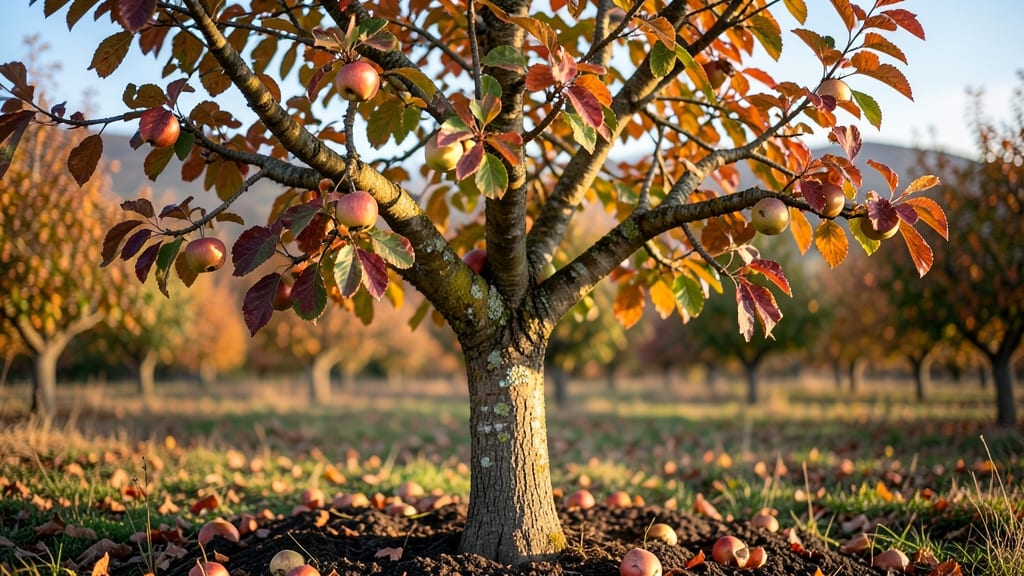
Apple tree leaves turning red isn’t always a problem—it’s often nature’s way of showing off. 🍂 I’ve watched my own trees transform from green to fiery red each fall, and the science behind it is fascinating.
Some varieties are genetically programmed for this vibrant display, while others need a little help to avoid disease or stress.
The most common causes are anthracnose (a fungal infection), nutrient imbalances, or cold stress. My trees turned a sickly red last year until I adjusted my fall fertilization and pruned out infected branches.
The key is understanding whether your tree’s red leaves are a seasonal masterpiece or a cry for help.
You’ll learn how to tell the difference between healthy fall color and signs of trouble. Proper pruning, balanced fertilization, and timely pest control can keep your tree thriving—so you get to enjoy that stunning red foliage without the worry. Let’s break down what’s normal and what needs attention.
Whether your tree is a young sapling or a mature giant, these solutions work for any size. By the end, you’ll know exactly how to care for your tree so it puts on a show every autumn. The best part? You might even get to enjoy the fruit too!
Nature’s Color Palette Explained
When apple tree leaves transform into fiery reds, oranges, and purples, it’s not just a stunning seasonal spectacle—it’s a fascinating biological process. Understanding the science behind this change reveals why some trees dazzle while others fade into dull browns. Here’s a breakdown of the key factors driving those vibrant hues.
Anthocyanins are water-soluble pigments that give leaves their bold red, purple, and even blue tones. Unlike chlorophyll (the green pigment that dominates in summer), anthocyanins protect leaves from excessive sunlight and act as antioxidants, shielding cells from damage. In apple trees, these pigments surge when:
- Sugar levels spike: As photosynthesis slows in fall, excess sugars (like glucose) build up in leaves. These sugars trigger anthocyanin production, turning leaves crimson.
- Cool nights + sunny days: Ideal conditions for anthocyanin formation—think crisp 40°F nights with warm, sunny days. Pro tip: 🌡️ Trees in regions with these temperature swings (like New England or the Pacific Northwest) often boast the brightest reds.
- Tree genetics: Some apple varieties (e.g., 'Honeycrisp' or 'Granny Smith') are bred to produce more anthocyanins. Others, like 'Fuji,' may lean toward yellow or orange.
Actionable insight: If your apple tree’s leaves are turning a muted red or brown, check for nutrient imbalances (like low nitrogen or phosphorus) that could limit sugar production.
Before leaves can turn red, they must lose chlorophyll, the pigment that masks other colors year-round. This breakdown is triggered by:
- Shortening daylight: As days grow shorter in late summer/early fall, trees stop producing chlorophyll. Without it, yellow and orange carotenoids (always present but hidden by green) start to show.
- Nutrient redistribution: Trees "recycle" nutrients like nitrogen and phosphorus from leaves back into roots and trunk. This process weakens the leaf’s ability to produce chlorophyll, accelerating color change.
- Temperature shifts: Cooler temps speed up chlorophyll degradation. Fun fact: Leaves on the shady side of the tree often turn red later because they retain chlorophyll longer.
What to watch for: If leaves turn yellow before red, it may signal early stress (e.g., fungal infections or pests) rather than natural senescence.
Not all red leaves are a sign of a stunning fall. Stress—whether from disease, pests, or environmental factors—can force premature color changes. Common culprits:
| Stress Factor | Leaf Symptoms | What to Do |
|---|---|---|
| 🐛 Pests (e.g., aphids, mites, or borers) | Red or purple spots, curled edges, or sticky residue (honeydew). | Inspect undersides of leaves for bugs. Treat with neem oil or insecticidal soap if infestations are severe. |
| 🌡️ Extreme heat or drought | Dull red or brown patches, wilting, or premature leaf drop. | Water deeply 1–2 times per week (check soil moisture 2" below the surface). Mulch to retain moisture. |
| 🍄 Fungal diseases (e.g., apple scab or powdery mildew) | Reddish-brown spots, white powdery coatings, or leaf distortion. | Prune infected branches and apply copper fungicide in early spring. Improve airflow with proper spacing. |
| ⚗️ Chemical damage (e.g., herbicide drift or over-fertilizing) | Uneven red splotches, leaf scorch, or stunted growth. | Test soil for nutrient imbalances. Avoid broadleaf herbicides near apple trees. |
Red flag: If leaves turn red in summer (not fall), it’s likely stress-related. Act quickly to prevent long-term damage.
Not all apple trees are created equal when it comes to fall color. Some varieties are bred for vibrant foliage, while others focus on fruit quality. For example:
- Deep reds: 'Red Delicious,' 'Jonagold,' or 'Ambrosia' (high anthocyanin producers).
- Oranges/yellows: 'Golden Delicious' or 'Gala' (carotenoid-rich).
- Purples: 'Gravenstein' or 'Cortland' (often develop anthocyanins in cooler climates).
Actionable tip: 🌱 If you’re planting for fall color, choose ornamental apple varieties like 'Malus 'Evereste' or 'Malus 'Red Sentinel,' which are specifically cultivated for striking foliage.
Revitalize Your Apple Tree’s Foliage
If your apple tree’s leaves are turning red prematurely—or in unexpected ways—don’t panic! With the right care, you can restore their natural vibrancy and even enhance that stunning fall color. Below, we’ve mapped out practical solutions tailored to the most common causes, from environmental stressors to nutrient imbalances.
Follow these steps to nurse your tree back to health and keep its leaves looking their best.
💧 Hydration & Soil Moisture
If reddening leaves are due to drought stress, your tree needs immediate hydration. Apple trees thrive in consistently moist (but not soggy) soil. Here’s how to fix it:
- 🔥 Deep Watering: Water the tree at the base (not the leaves) to a depth of 12–18 inches. Use a garden hose with a slow setting or a soaker hose for 30–60 minutes, 2–3 times per week during dry spells.
- 👨🍳 Mulch Like a Pro: Apply 2–4 inches of organic mulch (wood chips, straw, or shredded leaves) around the tree’s drip line (the edge of its canopy). Keep mulch 6 inches away from the trunk to prevent rot.
- ⏰ Monitor Soil: Stick your finger 2 inches into the soil. If it’s dry, water again. If it’s muddy, hold off to avoid root suffocation.
💡 Pro Tip: Early morning watering reduces evaporation and fungal risks. Avoid overhead sprinklers, which can promote leaf diseases.
☀️ Sunburn & Heat Stress
Too much direct sun—especially in hot climates—can scorch leaves and trigger reddening. Shield your tree with these adjustments:
- 🌳 Partial Shade Solutions: If possible, plant your apple tree where it gets 6–8 hours of sunlight but with afternoon shade (e.g., near a fence or taller tree). For mature trees, install shade cloth (30–50% coverage) temporarily during peak summer.
- 🥗 Lightweight Pruning: Thin out dense branches to improve airflow. Remove any crossing or rubbing limbs that block sunlight penetration.
- 🌡️ Cooling Tricks: Mist leaves lightly on extremely hot days (early morning only) or use a reflective mulch like aluminum foil (buried under mulch) to deflect heat.
🔥 Iron & Chlorophyll Issues
Yellowing between veins with red edges often signals an iron deficiency. Apple trees need iron for chlorophyll production. Try these fixes:
- 💪 Chelated Iron Fertilizer: Apply a liquid chelated iron supplement (like Ironite) to the soil or spray it directly on leaves (follow label instructions). Repeat every 4–6 weeks until leaves green up.
- 🌱 Soil pH Check: Test your soil’s pH (ideal range: 6.0–7.0 for apple trees). If it’s too alkaline (>7.0), amend with sulfur or peat moss to lower pH and improve iron uptake.
- 🍄 Organic Boosts: Mix compost or well-rotted manure into the top 6 inches of soil in early spring. Avoid fresh manure, which can burn roots.
✨ Pro Tip: Iron deficiencies are common in alkaline soils. If you’ve tested high pH, consider planting iron-accumulating plants (like comfrey) nearby to “feed” the soil naturally.
🥕 Nitrogen & Overall Health
Pale red or purple leaves may indicate nitrogen starvation. Apple trees are heavy feeders and need regular nitrogen. Revive them with:
- 🍳 Balanced Fertilizer: Use a slow-release, organic fertilizer (like 10-10-10 or fish emulsion) in early spring and mid-summer. Follow package rates to avoid over-fertilizing.
- 🌱 Grass Clippings or Coffee Grounds: Spread a thin layer of dried grass clippings or used coffee grounds around the tree (but not touching the trunk) for a quick nitrogen boost.
- 🚫 Avoid Overdoing It: Too much nitrogen can lead to excessive leaf growth at the expense of fruit. Aim for a balanced approach.
🌡️ Seasonal Care Calendar
Stay ahead of leaf stress with this simple seasonal checklist:
| Season | Task | Why It Helps |
|---|---|---|
| Spring | Apply mulch + balanced fertilizer | Kickstarts root growth and nutrient uptake |
| Summer | Deep water weekly + monitor for pests | Prevents drought stress and early infestations |
| Fall | Prune dead branches + test soil pH | Improves airflow and prepares for winter |
| Winter | Protect young trees with burlap wraps (if needed) | Shields from cold winds and frost damage |
🎯 Long-Term Tree Health
For consistently vibrant foliage, focus on these habits:
- 🌱 Plant in the Right Spot: Choose a location with well-draining soil and partial shade if you’re in a hot climate.
- 🍏 Variety Matters: Some apple tree varieties (like ‘Honeycrisp’ or ‘Granny Smith’) handle stress better than others. Research cold-hardy, disease-resistant types for your region.
- 🔍 Regular Inspections: Check leaves monthly for discoloration, spots, or pests. Early detection = easier fixes!
- 🚫 Avoid Over-Pruning: Never remove more than 25% of the canopy in one season. Prune in late winter to promote healthy regrowth.
With these solutions, your apple tree’s leaves should regain their lush green (or that gorgeous fall red) in no time. Remember, a little preventive care goes a long way—your tree will thank you with years of vibrant foliage and bountiful harvests! 🍏🌿
Frequently asked questions
Are red leaves on my apple tree always a sign of a problem?
Not necessarily! Many apple varieties naturally develop red or purple leaves in fall due to anthocyanin production—a healthy process triggered by cool nights and bright sunlight. If the red appears in autumn and the tree looks otherwise healthy, it’s likely just nature’s way of showing off. Watch for yellowing before red or brown patches, which could indicate stress or disease.
Why are some leaves red while others stay green?
This happens because chlorophyll breaks down unevenly in the tree. Leaves on the sunniest side often turn red first, while shaded leaves retain green longer due to slower chlorophyll loss. Variety also plays a role—some apple trees (like 'Red Delicious') are genetically programmed for more vibrant fall color than others.
Can I still harvest apples if the leaves turn red?
Red leaves don’t affect fruit quality unless caused by disease or severe stress. In fact, many heirloom varieties develop stunning fall foliage while still producing delicious apples. Just monitor for pests or fungal spots (like powdery mildew) that could impact both leaves and fruit.
What’s the best way to tell if red leaves are healthy or a problem?
Check for these clues: Healthy red leaves appear vibrant and firm, while stressed leaves may be dull, curled, or covered in spots. If red appears in summer (not fall) or is paired with yellowing, wilting, or premature leaf drop, it’s likely a sign of drought, nutrient deficiency, or disease. Test your soil and inspect for pests if you’re unsure.
Will pruning help my apple tree’s leaves turn redder in fall?
Yes! Pruning in late winter improves airflow and sunlight penetration, which can enhance fall color. Remove dead or crossing branches, but avoid heavy pruning—never cut more than 25% of the canopy in one season. Focus on opening up the tree’s interior to let light reach more leaves, boosting anthocyanin production.