
Pruning
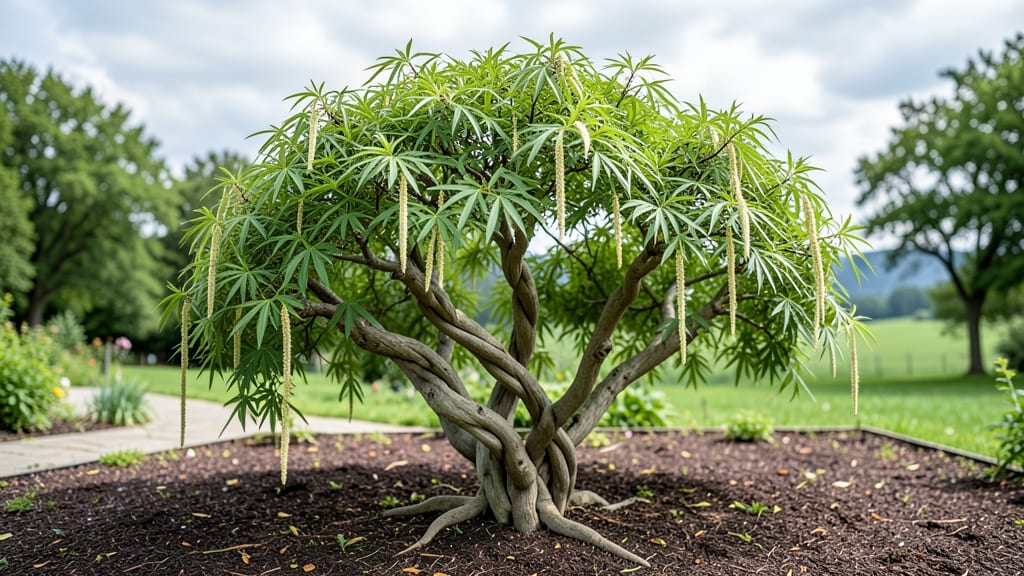
A braided willow tree full grown can become a breathtaking centerpiece in your garden, with its twisted branches reaching heights of 10 to 15 feet—taller than a basketball hoop.
But here’s the catch: without the right pruning schedule and care, those stunning braids can grow wild and unruly, losing their sculptural charm. If you’re envisioning a dramatic archway or a lush privacy screen, understanding how to shape and maintain this tree is the key to long-term success.
This ornamental beauty thrives in USDA Zone 6a and beyond, making it a versatile choice for spring planting. Whether you’re planting bare-root cuttings in March or nurturing an existing tree, knowing when and how to prune will keep it looking exactly as you imagined.
Inside, I’ll walk you through the best pruning schedule, how to control its height, and creative ways to use it as a focal point—so you can enjoy its full potential for years to come.
How tall does a braided willow tree grow full grown?
The braided willow tree is a breathtaking ornamental feature that can transform any garden into a living work of art. When fully grown, these trees typically reach heights between 10 to 15 feet, though their final size depends on several factors, including climate, soil quality, and pruning habits.
In ideal conditions, you can expect a dramatic, twisted structure perfect for arbors, privacy screens, or striking focal points. Understanding these growth patterns helps you plan your garden layout and maintenance schedule effectively.
One of the most striking aspects of the braided willow tree is its rapid growth rate during the first few years. In its first year, you can expect a height of 2 to 3 feet, and by the second year, it may grow to 4 to 6 feet.
By the third year, these trees often reach 8 to 10 feet, setting the stage for their mature height. This rapid growth means that with proper care, you can enjoy your living sculpture in just a few seasons.
| Growth Stage | Height Range | Time to Reach | Key Factors |
|---|---|---|---|
| Year 1 | 2-3 ft | First growing season | Soil moisture, sunlight |
| Year 2 | 4-6 ft | Second growing season | Pruning, nutrient levels |
| Year 3 | 8-10 ft | Third growing season | Climate zone, watering |
| Mature | 10-15 ft | 4-6 years | Pruning schedule, soil type |
Your USDA hardiness zone plays a significant role in determining how tall your braided willow tree will grow. In zones 5 through 9, these trees thrive and can reach their full 10 to 15 feet height.
However, in colder zones like 4 or warmer zones like 10, growth rates may vary. For example, in Zone 5, where winters are harsh, the tree might grow slightly slower but still reach maturity with proper care.
Meanwhile, in Zone 9, the warmer climate can accelerate growth, allowing the tree to reach its full height more quickly.
Soil quality is another critical factor influencing the height of your braided willow tree. These trees prefer moist, well-draining soil rich in organic matter. If your soil is too dense or lacks nutrients, the tree may struggle to grow to its full potential.
Amending your soil with compost or peat moss can provide the necessary nutrients and improve drainage, ensuring your tree grows tall and strong. Additionally, willows naturally thrive near water sources, so planting them in areas with consistent moisture can encourage faster and healthier growth.
Pruning habits are essential for controlling the height and maintaining the braided structure of the tree. Regular pruning not only shapes the tree but also encourages denser growth.
If you want to keep your braided willow tree shorter, you can prune it back by one-third each year during the dormant season. This practice helps manage its height while preserving its artistic form.
Conversely, if you want to encourage faster growth, avoid heavy pruning and focus on maintaining the braided pattern.
Regional climate also affects the growth rate of braided willow trees. In cooler climates, such as the Pacific Northwest or New England, these trees may grow more slowly due to shorter growing seasons. However, they can still reach their full height with patience and consistent care.
In warmer climates, like those in the Southeast or Southwest, the trees may grow more aggressively, requiring more frequent pruning to maintain the desired shape and height.
If you're planting your braided willow tree in a container, its growth will naturally be more limited compared to in-ground planting. In pots, these trees typically reach 6 to 10 feet at maturity, depending on the container size and care provided.
To maximize height, choose a large container with at least 15 gallons of capacity and ensure it has adequate drainage. Regularly fertilizing and watering your potted braided willow tree will help it grow as tall as possible within its container's constraints.
For gardeners in urban environments, where space is limited, consider planting your braided willow tree near a fence or wall. This not only saves space but also creates a stunning vertical feature in your garden.
With proper support and pruning, you can guide the tree to grow along the structure, creating a beautiful living trellis that adds height and texture to your outdoor space. Just ensure the tree has enough room to spread its roots and access to sunlight.
In summary, the mature height of a braided willow tree ranges from 10 to 15 feet, but this can vary based on factors like climate, soil quality, and pruning habits.
By providing the right conditions and care, you can ensure your tree grows to its full potential and becomes the stunning focal point of your garden. Whether you're creating a privacy screen, an archway, or an artistic centerpiece, understanding these growth patterns will help you achieve the best results.
Best pruning schedule for braided willow trees to control height & shape
A braided willow tree thrives when pruned with intention—its iconic twisted structure requires careful maintenance to preserve its beauty while controlling rapid growth. Without proper pruning, these trees can become unruly or overgrown, losing their artistic form.
The key is timing: prune at the right season with the right tools to encourage healthy growth and maintain your desired height.
Willows grow aggressively, especially in spring, so a structured pruning schedule keeps them manageable. I’ve found that three seasonal pruning sessions—spring, summer, and winter—work best for shaping while preventing disease.
Each season demands a different approach, from shaping in spring to light maintenance in winter. Let’s break down the exact steps to keep your braided willow stunning year-round.
🌿 Seasonal Pruning Guide for Braided Willow Trees
-
🌱 Early Spring (March-April):
Remove dead or weak branches first. Then, trim 1/3 of new growth to encourage bushier braiding. Use clean, sharp pruners to make cuts at a 45-degree angle just above a bud.
-
☀️ Late Spring/Early Summer (May-June):
Lightly shape the tree by trimming tips of overgrown strands to maintain symmetry. Avoid heavy pruning—willows grow fast, and summer cuts can stimulate uncontrolled growth before winter.
-
🌧️ Fall (October-November):
Minimal pruning—just remove broken or diseased branches. Avoid heavy cuts, as willows heal slowly in cold weather. Focus on cleaning up debris to prevent fungal issues.
-
❄️ Winter (December-February):
Dormant season = no pruning. Let the tree rest. If you spot dead wood, remove it in late winter (February) before new growth starts. This prevents sap loss and disease.
For tools, I recommend a bypass pruner for clean cuts and loppers for thicker branches. Avoid pruning in wet weather, as willows bleed sap excessively, which can attract pests. If your tree is over 10 feet tall, consider using a pole saw for safety and precision.
Remember, willows respond quickly to pruning—cut back too much, and they’ll grow even faster to compensate. The goal is balance: shape the braids while controlling height. With this schedule, your willow will stay lush, artistic, and well-behaved for years to come.
Start with spring pruning to set the tone for the season, then adjust as needed. Over time, you’ll develop an eye for when your braided willow needs a little tender loving care—and the results will be worth every snip! ✂️