
Pruning
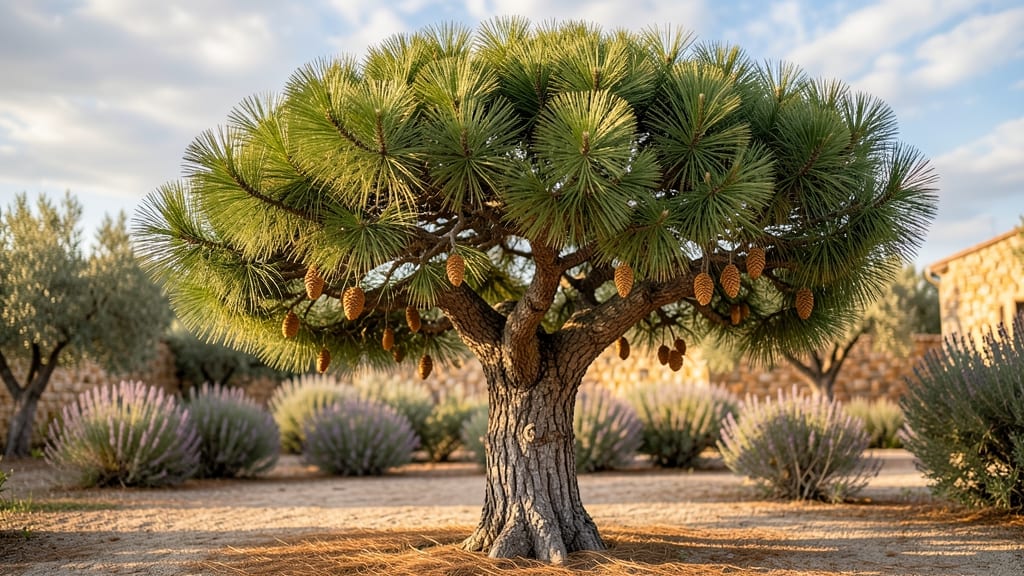
Italian stone pine full grown: height, spread & mature tree dimensions
The Italian stone pine (Pinus pinea) is a majestic evergreen that can reach impressive mature dimensions when given the right conditions. At full maturity, these trees often stand between 30 to 60 feet tall, with some exceptional specimens exceeding 70 feet in ideal climates.
Their canopy spread is equally impressive, typically ranging from 30 to 50 feet wide, creating a stunning umbrella-like shape that’s instantly recognizable. Understanding these dimensions is key to planning your landscape effectively—whether you're planting one as a focal point or fitting it into a larger garden design.
What makes the Italian stone pine so striking is its growth rate and adaptability. In the first decade, these trees grow relatively slowly, adding about 1 to 2 feet per year. However, once established, they can surge in height, sometimes gaining 3 to 5 feet annually under optimal conditions.
This rapid growth phase usually occurs between ages 10 and 30, which is why many gardeners plant them with long-term landscapes in mind. Their ability to thrive in USDA zones 7 through 10 means they’re a reliable choice for Mediterranean climates and coastal regions.
| Characteristic | Mature Dimensions | Growth Rate | Climate Impact |
|---|---|---|---|
| Height | 30–60 ft (9–18 m) | 1–2 ft/year (young), 3–5 ft/year (mature) | Slower in cooler zones (7–8); faster in Mediterranean climates (9–10) |
| Canopy Spread | 30–50 ft (9–15 m) | 1–3 ft/year (wider in full sun) | Narrower in windy coastal areas; broader in sheltered inland sites |
| Trunk Diameter | 2–4 ft (0.6–1.2 m) | Gradual thickening over decades | Thicker in nutrient-rich soils; thinner in poor soils |
| Lifespan | 300–600+ years | Stable growth after maturity | Longer in dry, warm climates; shorter in humid zones |
When comparing the Italian stone pine to other pine species, its umbrella-shaped canopy sets it apart.
Unlike the Ponderosa pine (Pinus ponderosa), which grows much taller (up to 200 feet) but with a narrower spread, the Italian stone pine offers a balanced, broad silhouette that’s perfect for Mediterranean-style gardens.
Another key difference is its dwarf varieties, which max out at 20 to 30 feet tall—ideal for smaller yards or container growing. If you’re working with limited space, consider the 'Beuvron' cultivar, which stays compact while retaining the iconic pine needle clusters and edible pine nuts.
Your local climate plays a huge role in determining how large your Italian stone pine will grow. In coastal regions, where humidity and salt spray are factors, these trees may grow slightly slower but develop denser foliage to protect against wind damage.
Inland areas with hot, dry summers and mild winters (like California or Spain) are ideal, where they can reach their full height and spread potential.
If you’re planting in USDA zone 7 or cooler, expect a more compact growth habit, with heights often capped at 30 to 40 feet unless you provide extra care, like winter mulching and windbreaks.
One common misconception is that Italian stone pines require constant moisture to reach their full size. In reality, they’re moderately drought-tolerant once established, which means they’ll grow just fine in well-draining soil with occasional deep watering.
Overwatering can actually stunt growth by causing root rot, so focus on soil drainage and mulching to retain moisture without waterlogging.
If you’re planting in an urban setting with compacted soil, amending the area with organic matter (like compost or pine bark) will encourage healthier root development and support larger mature dimensions.
For those planning a landscape design, the Italian stone pine’s mature size makes it an excellent shade tree or privacy screen. When planted in groups, their spreading canopies create a natural windbreak while providing year-round greenery.
Just be mindful of overhead power lines—these trees can develop low-hanging branches as they age, so give them plenty of vertical clearance (at least 50 feet) if planting near structures. In smaller gardens, opt for dwarf varieties or consider
Pruning Italian stone pine trees for shape, health & long-term beauty
Your Italian stone pine (Pinus pinea) develops its iconic umbrella-shaped canopy naturally, but strategic pruning techniques are key to maintaining its health and beauty. Unlike many pines, this Mediterranean native responds well to shaping when done correctly—avoiding over-pruning that can stress the tree or invite pests.
The goal is to preserve its natural silhouette while removing deadwood and encouraging airflow.
Timing matters most: late winter or early spring (just before new growth) is ideal for structural pruning. Summer pruning can be done for light shaping, but avoid heavy cuts during drought stress periods.
I’ve learned that patience is critical—these trees grow slowly, so gradual adjustments yield the best results over decades.
- 1 Gather the right tools: Use sharp bypass pruners for branches under 1 inch, loppers for 1-3 inch branches, and a pruning saw for larger limbs. Sterilize tools with rubbing alcohol to prevent disease spread.
- 2 Identify dead/diseased wood: Look for brown needles, cracked bark, or branches without growth. Remove these back to the branch collar to prevent fungal spread. Tag branches for removal with colored tape if pruning in stages.
- 3 Shape the canopy: For a natural look, thin out 10-15% of branches to improve airflow. For a formal shape, remove lower branches to open the trunk. Never remove more than 25% of foliage in one session.
- 4 Clean up properly: Remove all pruned debris from the base and dispose of it in yard waste. Apply mulch around the trunk (3-4 inches deep) to protect roots and retain moisture. Water deeply after pruning to reduce stress.
- 5 Monitor for 3 months: Watch for new growth at pruning cuts (good sign) or yellowing needles (possible stress). If needed, apply a balanced fertilizer (10-10-10) in early spring to support recovery.
One common mistake I’ve seen is pruning too aggressively to achieve a perfect shape quickly. Italian stone pines regenerate slowly, so gradual adjustments over years yield the best results. For young trees (under 10 years), focus on removing only deadwood—their natural shape develops best with minimal intervention.
Pro tip: Use a string line to visualize your cuts before making them. This helps maintain symmetry, especially for formal landscapes. I’ve found that pruning in stages (over 2-3 years) reduces stress and lets the tree adjust better. Always prune just outside the branch collar to promote faster healing.
Remember that Italian stone pines thrive on neglect—they’re adaptable and forgiving. The key is light maintenance rather than heavy-handed pruning. With the right approach, your tree will reward you with decades of lush, healthy growth and that signature Mediterranean charm. 🌲✂️🌿