
Trees
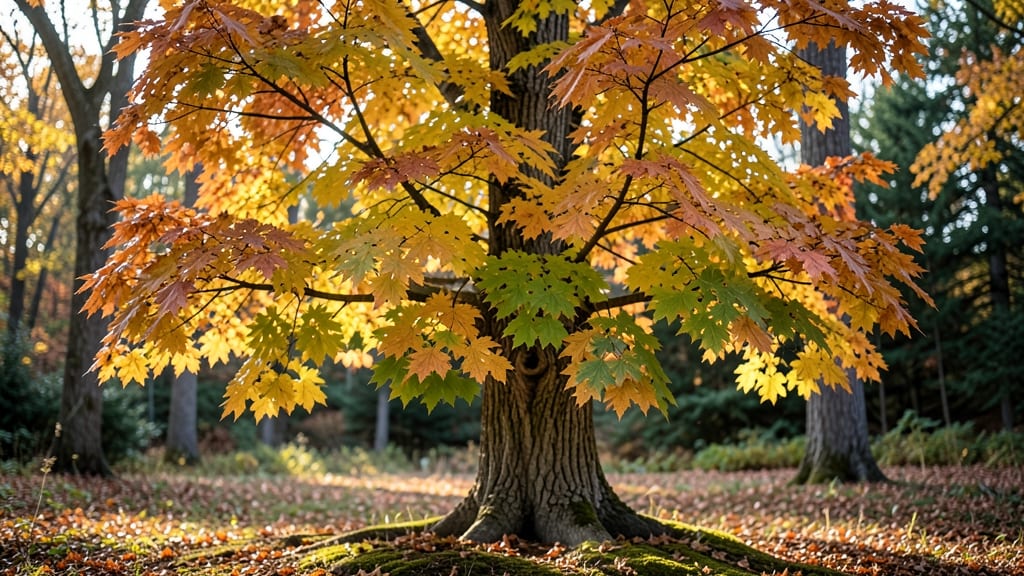
If you’re dreaming of golden autumns, what tree has yellow leaves in the fall? The stars of the show are trees like the Ginkgo biloba and Sweetgum, which burst into fiery hues every October—no two trees look the same.
The secret to that vibrant yellow? It’s all about the right species, sunlight, and a little seasonal care.
Most yellow-leafed trees thrive in full sun to partial shade and well-drained soil, but their hardiness zones vary wildly. A Japanese Maple might need zone 5 protection, while a Tulip Tree can handle zone 4’s chill.
Prune in late winter to encourage dense growth, and avoid heavy trimming in fall—you’ll sacrifice next year’s color show. The payoff? A backyard that feels like a postcard, with leaves turning from green to gold in just a few weeks.
Pair these trees with complementary plants like witch hazel or ornamental grasses to extend the season’s beauty. The contrast of deep burgundy or soft pink foliage next to yellow creates a stunning autumn border.
And here’s the best part: once established, these trees need minimal maintenance—just water in dry spells and rake up leaves to keep the lawn tidy.
Whether you’re planning a new landscape or just want to add a pop of color, these trees deliver year-round interest. The Ginkgo’s fan-shaped leaves and the Sweetgum’s spiky seed pods add texture even in winter.
Start with one or two, and watch your yard transform into a golden masterpiece every fall.
The Science Behind Autumn’s Golden Glow
The vibrant yellow leaves that paint fall landscapes are nature’s way of saying goodbye—literally. This seasonal transformation isn’t just a pretty spectacle; it’s a carefully orchestrated biochemical process rooted in science. Let’s break down the key reasons behind those stunning golden hues.
Most of the year, chlorophyll dominates a tree’s leaves, giving them their classic green color. This pigment is essential for photosynthesis—the process that converts sunlight into energy.
But as daylight shortens and temperatures drop in fall, trees prepare for winter dormancy. They stop producing chlorophyll, allowing other pigments hidden beneath to emerge.
Yellow leaves, in particular, often reveal carotenoids—the same pigments that give carrots their orange color and corn its golden hue. These compounds are always present but masked by chlorophyll during growing seasons. When chlorophyll fades, carotenoids take center stage, creating bright yellows, oranges, and yellow-oranges.
Not all yellow leaves are created equal. Some trees, like sugar maples or black gum trees, produce an extra burst of color thanks to anthocyanins. These water-soluble pigments form in the fall as trees break down sugars and other compounds in their leaves.
Anthocyanins aren’t just for show—they act as a natural sunscreen, protecting leaves from excess sunlight that could damage cells as chlorophyll disappears. They also help trees redistribute nutrients more efficiently before shedding leaves. The result? A dazzling mix of yellow, red, and purple in the same tree!
Two environmental factors are the master switches for fall foliage:
- Cooler temperatures: While warm days help trees produce sugars, cooler nights signal it’s time to shut down chlorophyll production. The ideal temperature range for vibrant yellow leaves is between 40°F and 60°F (4°C–15°C).
- Shorter daylight hours: Trees rely on daylight to regulate growth hormones. As days grow shorter, they produce abscisic acid, a hormone that triggers leaf color changes and eventually causes leaves to fall.
Pro Tip: 🌡️ Early frosts can speed up leaf drop, while a warm, sunny fall often extends the color show. For the best yellow displays, aim for a mix of crisp nights and mild days!
Before leaves detach, trees perform a final act of recycling. They reabsorb nutrients like nitrogen, phosphorus, and potassium from the leaves back into their roots and branches. This process weakens the leaf structure, making it easier for wind or rain to carry them away.
However, some nutrients—like magnesium and carotenoids—aren’t fully reabsorbed. These linger in the leaves, contributing to their golden or yellow tones. Trees that grow in nutrient-rich soils (like those in the Appalachian Mountains) often produce the most vivid fall colors because they have more pigments to "spill over" into their leaves.
Next time you see a tree ablaze with yellow, remember: it’s not just a pretty face—it’s a survival strategy in action! 🍂✨
Revitalizing Your Tree’s Fall Foliage
Turn your yard into a golden masterpiece by addressing common causes of lackluster autumn leaves—whether it’s nutrient deficiencies, pests, or environmental stress. Below are practical, step-by-step solutions tailored to each issue, plus prevention tips to keep your tree thriving for years.
Yellow leaves in fall can signal a hunger for essential nutrients. Here’s how to feed your tree right:
🔥 Diagnose the Problem First
- Check the soil: Dig a small hole (6 inches deep) near the tree’s drip line.
If the soil is hard, dry, or lacks organic matter, nutrients aren’t reaching the roots. - Leaf color clues: - Uniform yellow (no brown spots) = Likely nitrogen deficiency. - Yellow with brown edges = Could be potassium or magnesium.
🍳 Fertilize Smartly
- Test your soil (use a DIY kit or send a sample to a local extension office for accuracy).
- Apply a balanced fertilizer (10-10-10 or 20-20-20) in early fall (September–October) to support new growth. - Pro tip: 💡 Slow-release fertilizers (like organic compost or granular options) prevent overfeeding.
- Target-specific deficiencies: - Nitrogen (green-yellow leaves): Use alfalfa meal or fish emulsion. - Potassium (weak stems, yellow edges): Try wood ash or greensand. - Magnesium (interveinal yellowing): Sprinkle Epsom salt (1 tbsp per gallon of water) around the base.
🌱 Boost Soil Health
- Mulch properly: Spread 3–4 inches of organic mulch (wood chips, shredded leaves) around the tree’s base (keep it 6 inches away from the trunk).
- Aerate compacted soil: Use a garden fork to loosen soil if it’s clay-heavy.
Pests like spider mites, aphids, or fungal infections can drain your tree’s energy, leading to premature yellowing.
👨🍳 Inspect for Signs of Trouble
- Look for:
- Sticky residue (honeydew) on leaves = Aphids or scale insects.
- Webbing = Spider mites.
- Black spots or powdery coatings = Fungal issues (e.g., anthracnose).
🔪 Treat Infestations
- Blast off pests with a strong hose (for aphids/mites) or neem oil spray (1 tbsp per quart of water).
- Prune infected branches (sterilize pruners with rubbing alcohol between cuts).
- Apply fungicide (copper-based or organic like baking soda spray) if fungal diseases are present.
🛡️ Prevent Future Outbreaks
- Encourage natural predators: Plant marigolds or ladybug-friendly flowers near the tree.
- Water deeply but less often to discourage fungal growth.
- Avoid overhead watering in late fall (wet leaves = fungal paradise).
Drought, poor drainage, or extreme heat can shock trees into dropping leaves early.
⏰ Watering Strategies
- Deep watering: Water slowly and deeply (1–2 inches per week) to encourage deep root growth.
- Drip irrigation: Best for young trees or drought-prone areas.
- Mulch retention: Mulch retains moisture—replenish if it breaks down over time.
🌳 Improve Drainage
- Raised beds: For clay soil, create a slightly elevated planting area.
- French drains: Install if water pools near the roots.
🎯 Shield from Harsh Conditions
- Young trees: Wrap the trunk with tree guard to prevent sunscald in winter.
- Mature trees: Prune to open the canopy for better airflow (reduces heat stress).
| Task | When to Do It | Why It Works |
|---|---|---|
| Soil test | Early spring or fall | Identifies deficiencies before symptoms appear. |
| Mulch refresh | Spring & fall | Feeds soil microbes, retains moisture. |
| Prune for airflow | Late winter/early spring | Reduces disease risk and stress. |
| Pest patrol | Weekly in growing season | Catches issues before they spread. |
Final Tip: 🌟 Patience is key—some trees (like maples or birches) naturally yellow in fall, while others (oaks or beeches) hold onto leaves longer. If your tree is otherwise healthy, enjoy the show! For persistent issues, consult a certified arborist for a tailored plan.
Frequently asked questions
Which trees turn bright yellow in fall but stay green all winter?
The Ginkgo biloba is the star here—its fan-shaped leaves turn a stunning golden yellow in fall but stay on the tree until late autumn or early winter. Another great option is the Eastern Hop Hornbeam, which displays bright yellow foliage before dropping leaves. Both are excellent choices if you want year-round structure with seasonal color.
Do yellow-leafed trees need special care to maintain their color?
Most yellow-leafed trees thrive with basic care: full sun to partial shade and well-drained soil. Water deeply but infrequently to encourage deep roots, and avoid heavy pruning in late summer or fall—this can reduce next year's color intensity. For trees like Japanese Maples, protect them from harsh winter winds to preserve their delicate foliage.
Are there any small trees that turn yellow in fall?
The Dwarf Fothergilla (only 3–6 feet tall) bursts into golden-yellow foliage in fall, while the Serviceberry (15–20 feet) offers both bright yellow leaves and edible berries. For a compact option, try the Amelanchier (Juneberry), which has stunning yellow-orange fall color and white spring blooms—perfect for small gardens.
Why do some trees turn yellow while others turn red or orange?
The color depends on the tree's natural pigments. Yellow comes from carotenoids (like in carrots), while red and orange hues often include anthocyanins (sugar-based pigments). Trees like Sweetgums produce both carotenoids and anthocyanins, creating a mix of yellow, orange, and red. Cooler nights and sunny days enhance these colors—ideal conditions for vibrant displays.