
Trees
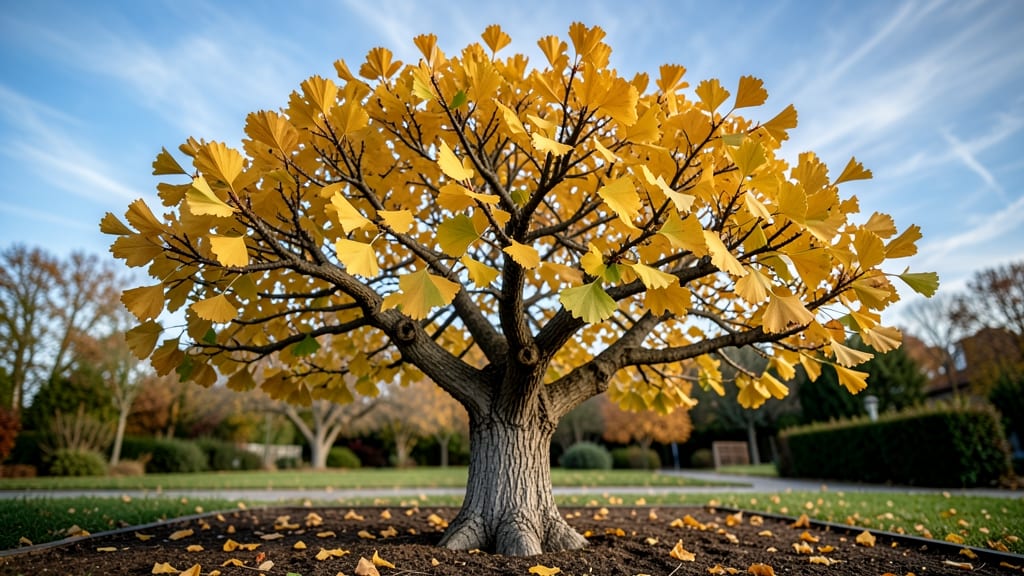
Your ginkgo tree's yellow leaves might be nature's way of signaling it's time for a little TLC. 🌿 I've seen this happen more than once—what looks like autumn early can actually mean nutrient deficiencies, stress, or even pests hiding in plain sight.
The good news? Most cases are fixable with simple adjustments.
First, check the soil pH and iron levels—many yellow leaves stem from iron chlorosis, especially in alkaline soils. A quick soil test or even a visual check for pale new growth can point you in the right direction.
Overwatering or poor drainage also causes stress, turning leaves yellow while roots suffocate.
With the right soil amendments or a targeted watering schedule, you'll see those leaves turn back to their signature deep green within weeks. Even pests like ginkgo psyllids can be managed with organic sprays or beneficial insects.
Whether you're dealing with a young sapling or a mature tree, these solutions work for any backyard ginkgo. Let's get those leaves back to their vibrant best—naturally and without the fuss.
Root Causes Behind Yellowing Ginkgo Leaves
Your ginkgo tree’s golden leaves might look stunning in autumn, but if they’re turning yellow out of season, it’s a signal from the tree that something’s amiss. 🌿 Understanding the root causes helps you address the issue before it spreads—or worse, signals a dying tree.
Here’s a breakdown of the most common reasons why ginkgo leaves lose their green, along with actionable science-backed insights.
Ginkgo trees are hardy, but they still need the right nutrients to thrive. Yellowing leaves often point to a deficiency in key elements:
- Nitrogen (N) deficiency:
Leaves turn pale yellow, often starting at the tips or between veins. This is the most common nutrient issue, especially in sandy or poor soils.
Nitrogen fuels leaf growth, and without it, the tree can’t produce enough chlorophyll (the green pigment). Test your soil—if levels are below 0.1%, a balanced fertilizer (like 10-10-10) can help. Apply it in early spring before new growth begins.
- Magnesium (Mg) deficiency:
Yellowing appears between leaf veins (interveinal chlorosis), while veins stay green. Magnesium is critical for chlorophyll production. Amend the soil with Epsom salt (magnesium sulfate)—mix 1 tablespoon per gallon of water and spray on leaves or soil monthly until symptoms improve.
- Iron (Fe) deficiency:
Young leaves turn bright yellow while veins remain green, a condition called iron chlorosis. Common in alkaline soils (pH > 7.0), iron becomes locked and unavailable to roots. Lower soil pH with sulfur or peat moss, or use a chelated iron supplement (like Ironite) for quick results.
💡 Pro Tip: If your soil is alkaline, consider planting ginkgos in containers with acidic potting mix (pH 6.0–7.0) for better nutrient uptake.
Ginkgo trees hate soggy feet but also struggle in drought. Yellow leaves can signal either extreme:
- Overwatering:
Yellowing leaves with wilting or brown edges often mean root rot from waterlogged soil. Ginkgos prefer well-draining soil—amend clay-heavy areas with compost or sand. Check drainage: Dig a hole near the tree; if water pools after 30 minutes, improve soil structure.
- Underwatering:
Leaves yellow and crisp at the edges, especially in hot weather. Ginkgos need 1–2 inches of water per week (more in containers). Mulch deeply (3–4 inches of wood chips) to retain moisture and regulate soil temperature.
⚠️ Warning: If leaves yellow and fall prematurely, it could indicate fungal root rot. Stop watering immediately, improve drainage, and consider a fungicide like copper sulfate.
Pests like ginkgo psyllids, spider mites, or scale insects suck sap, causing leaves to yellow, curl, or drop. Look for:
- Ginkgo psyllids:
These tiny insects cause yellowing and thickening of new leaves (a condition called "witches’ broom"). Blast them off with a strong water spray or use neem oil (1 tablespoon per gallon of water, spray weekly).
- Spider mites:
Leaves yellow and develop stippling or webbing on the undersides. Treat with insecticidal soap or a horticultural oil spray (like Safer’s Oil).
- Scale insects:
Sticky residue (honeydew) on leaves or bark attracts sooty mold, causing yellowing. Scrape off scales with a plastic scraper or apply dormant oil in late winter.
🌡️ Quick Fix: Set up a blue sticky trap near the tree to monitor for pests—early detection prevents outbreaks.
Ginkgo trees are resilient, but extreme conditions can trigger yellowing:
- Heat stress:
Leaves scorch and yellow in temperatures above 90°F (32°C), especially if the tree is young or in full sun. Provide afternoon shade with a lightweight shade cloth (30–50% coverage) or mulch to keep roots cool.
- Cold damage:
Sudden freezes (<32°F/0°C) can cause brown or yellow patches on leaves. Ginkgos tolerate cold but may need winter mulch (straw or leaves) to protect roots in zones below 5.
- Air pollution or salt buildup:
Urban trees near roads or in salty soils (e.g., near driveways) show chlorotic mottling. Flush the soil with water to leach out salt, or use chelating agents to bind excess minerals.
💡 Pro Tip: If your ginkgo is near a road, wash leaves with water 2–3 times a year to remove dust and pollutants.
While ginkgos are disease-resistant, a few pathogens can cause yellowing:
- Anthracnose:
Yellow spots with dark borders appear on leaves, often in wet springs. Prune infected branches and apply copper fungicide (like Bonide Copper Fungicide) every 2 weeks until new growth is healthy.
- Root rot (Phytophthora):
Leaves yellow and wilt as roots decay in waterlogged soil. Improve drainage immediately and treat with hydrogen peroxide (3%) (1 part peroxide to 20 parts water) to soil.
✨ Prevention Tip: Avoid overhead watering to reduce fungal spores on leaves.
Revive Your Ginkgo’s Glory
Yellow leaves on your ginkgo tree don’t have to mean goodbye to its majestic beauty—often, they’re just a sign that your tree needs a little TLC.
Whether it’s a seasonal shift, a nutrient deficiency, or something more serious, here’s how to diagnose and fix the issue—plus tips to keep your ginkgo thriving for years to come.
Yellowing leaves often signal a hunger for essential nutrients. Ginkgo trees are tough, but even they need balance.
🔥 Check the Soil pH First
Ginkgos prefer slightly acidic to neutral soil (pH 6.0–7.5).
Test your soil with a kit—if it’s off, adjust it: - Too acidic (pH < 6.0)? Add lime (calcium carbonate) in early spring. - Too alkaline (pH > 7.5)? Mix in sulfur or peat moss to lower pH gradually.
> 💡 Pro Tip: Avoid drastic pH changes—aim for a 0.5 pH shift per season to prevent root burn.
🍳 Fertilize Like a Pro
If the soil is balanced but leaves are still yellow, it’s time to feed:
- Spring Boost: Use a slow-release, balanced fertilizer (10-10-10 or 20-20-20) in early spring.
- Iron Deficiency? Yellow leaves with green veins?
Sprinkle chelated iron around the root zone or apply iron sulfate to the soil. - Magnesium Shortage? Yellowing between veins? Try Epsom salt (magnesium sulfate)—dissolve 1 tbsp per gallon of water and water the base.
> ✨ Prevention: Mulch with compost or aged bark annually to improve soil health naturally.
Yellow leaves can also mean too much or too little water—ginkgos hate soggy feet but need consistent moisture.
👨🍳 Watering Wisdom
- Underwatered? Leaves may curl or turn crispy-yellow at the edges. Water deeply 1–2 times per week (more in extreme heat).
- Overwatered? Yellow, mushy leaves + wilting = root rot risk.
Let the top 2–3 inches of soil dry out between waterings. - Mulch Matters: Apply 2–4 inches of mulch (wood chips or straw) to retain moisture and regulate temperature.
> 🌡️ Heatwave Hack: Water early morning or late evening to reduce evaporation.
⏰ Drainage Deep Dive
If your ginkgo sits in a low spot or heavy clay soil, poor drainage could be the culprit.
- Quick Fix: Dig a shallow trench around the tree to redirect water away from the roots.
- Long-Term Solution: Plant in well-draining soil or amend clay soil with sand or perlite.
Pests and diseases can turn leaves yellow faster than a fall sunset. Act fast!
🔪 Common Culprits & Cures
| Problem | Signs | Solution |
|---|---|---|
| Spider Mites | Yellow stippling, webbing | Spray with neem oil or water blast (miters hate humidity!) |
| Scale Insects | Sticky residue, white bumps | Scrape off manually or use horticultural oil |
| Fungal Leaf Spot | Yellow/brown spots, black dots | Prune infected leaves, apply copper fungicide, improve airflow |
| Root Rot | Yellowing + wilting, foul smell | Reduce watering, improve drainage, fungicide treatment (if severe) |
> 🎯 Prevention: Prune regularly to improve airflow and remove diseased branches.
Not all yellow leaves are bad news—some are just autumn’s way of showing off.
🍂 Is It Normal?
- Yes, if:
- Leaves turn yellow gradually in fall (ginkgos drop leaves seasonally).
- New growth is healthy and green—old leaves just fade.
- No, if:
- Yellowing happens mid-season (spring/summer).
- Leaves drop prematurely or look crispy/brown.
> 💡 Wait & Watch: If the tree looks otherwise healthy, hold off on treatments until spring.
Final Thought: A little observation and quick action can turn your ginkgo’s yellow leaves from a worry into a manageable moment. Most issues are fixable with the right care—so grab your gloves, test that soil, and give your tree the love it deserves! 🌳💛
Frequently asked questions
Why do my ginkgo leaves turn yellow in spring instead of fall?
Spring yellowing usually signals stress from nutrient deficiencies (like iron or nitrogen), poor drainage, or pests—not seasonal change. Check for pale new growth (iron chlorosis) or crispy edges (underwatering). Test your soil pH first—alkaline soil (pH >7.5) locks out iron, causing bright yellow leaves while veins stay green.
Can I save my ginkgo if half the leaves are yellow and falling?
Yes, but act fast! First, check roots for rot (smell test soil—foul odor = emergency). Improve drainage immediately by amending clay soil with compost or creating a shallow trench to redirect water. Apply chelated iron if leaves show interveinal yellowing. Most trees recover within 4-6 weeks with proper care.
How often should I fertilize a ginkgo with yellow leaves?
Start with a soil test—if deficient, apply a balanced fertilizer (10-10-10) in early spring, then again in mid-summer. For iron chlorosis, use chelated iron every 3 months (spring, summer, fall). Avoid over-fertilizing—ginkgos prefer lean soil. Mulch with compost annually instead of relying on frequent feedings.
Are yellow ginkgo leaves contagious to other trees?
Not usually—yellowing is rarely contagious. However, if caused by fungal diseases (like anthracnose), spores can spread to nearby plants. Remove infected leaves promptly and apply copper fungicide. For pest-related yellowing (like psyllids), quarantine the tree until treated to prevent infestation. Most cases are tree-specific.
Will pruning help yellow leaves on my ginkgo?
Pruning alone won't fix yellowing, but it helps by improving airflow (reducing fungal diseases) and removing dead/diseased branches. Focus on selective pruning in late winter—cut back to healthy green growth. Never prune more than 25% of the canopy at once. Combine pruning with soil amendments for best results.