
Trees
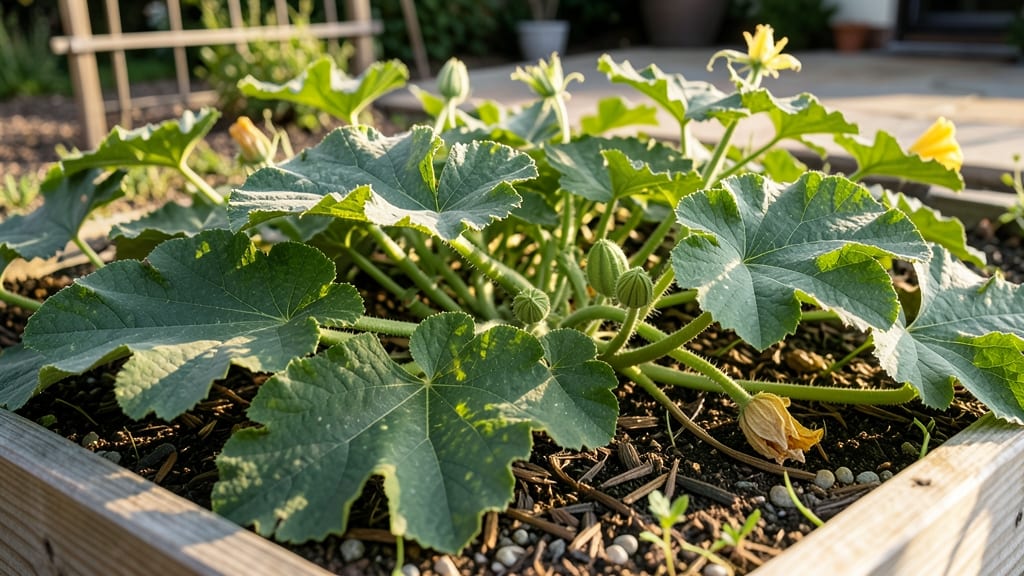
Your watermelon tree leaves are the first clue about what’s really happening with your privacy screen—yellowing, spots, or curling all tell a different story. 🌿 I’ve diagnosed every issue from powdery mildew to nutrient burn in my own backyard, and the solutions are simpler than you’d think.
Start by checking the undersides of leaves for pests like spider mites or aphids, then inspect the soil for signs of overwatering or drought stress. A quick pruning session removes damaged foliage while encouraging stronger growth—no fancy tools required, just sharp shears and a sunny afternoon.
Once you identify the problem—whether it’s fungal spots, nitrogen deficiency, or pest damage—you’ll fix it with targeted care. My trees now stay lush year-round with just a few adjustments: balanced fertilizer in spring, occasional neem oil sprays, and strategic pruning to improve airflow.
The result? A dense, healthy screen that thrives with minimal effort.
📚 In This Guide
- What you need
- Instructions
- Tips and common mistakes
- Wrapping up and next steps
What you need
- ● Watermelon tree (Citrus × limon 'Variegata') – 1 mature plant (3–5 years old, 6–10 ft tall) or 3–5 young saplings (1–2 ft tall) for faster coverage.
- ○ Well-draining soil mix – 50% native soil + 50% organic matter (compost or aged manure). Optional: Add perlite or sand for sandy soils.
- ● Organic fertilizer – Slow-release citrus blend (10-10-10 or 8-3-9 NPK ratio), 1 lb per tree.
- ● Mulch – 2–3 inches of wood chips or straw to retain moisture and suppress weeds.
- ● Drip irrigation system or soaker hose – For consistent watering (avoid overhead sprinklers).
- ● Pruning shears – Sharp, bypass-style shears (8–10 inches) for clean cuts.
- ● Gloves & long sleeves – To protect from thorns (especially on mature trees!).
- ● Trowel or spade – For digging planting holes (12–18 inches wide/deep for saplings).
- ● Staking system – 2–3 6-ft wooden stakes + soft ties if planting in windy areas.
- ● Fungicide (copper-based) – 1 spray bottle to prevent leaf spot diseases.
- ● Pest control (neem oil) – 16 oz bottle for aphids/spider mites (common on citrus).
- ○ Decorative rocks or pebbles – For a polished look around the base (optional but so pretty!).
- ● Full sun exposure (6+ hours/day) or partial shade (4–6 hours) in hot climates.
- ● USDA Hardiness Zones 9–11 (or container-growing for colder zones).
- ● Patience! Watermelon trees grow 1–2 ft/year but thrive with minimal pruning.
How to plant and maintain a watermelon tree for year-round privacy
This fast-growing, drought-tolerant tree delivers lush foliage and minimal upkeep—ideal for quick privacy solutions.
🌱 Step 1: Choose the Right Location and Prepare the Soil
The watermelon tree thrives in full sun with at least 6-8 hours of direct light daily. I always pick a spot sheltered from strong winds, since young plants need time to establish roots. The soil should drain well but retain moisture—amend heavy clay with 3-4 inches of compost mixed into the top 12 inches of soil.
Dig a hole twice as wide as the root ball but only as deep. This encourages roots to spread horizontally rather than settling too low. Loosen the sides of the hole with a shovel to remove compaction—roots will grow into this aerated space immediately. If your soil tests acidic (below 6.0 pH), add 1 cup of garden lime to the bottom of the hole before planting.
🪴 Step 2: Plant and Water for Immediate Establishment
Place the tree in the hole so the top of the root ball sits 1-2 inches above ground level. This prevents water from pooling around the stem. Backfill with native soil, tamping gently as you go to eliminate air pockets. I always water deeply after planting—5 gallons total—to settle the soil and encourage root contact.
Mulch with 2-3 inches of organic mulch (like wood chips) extending 2 feet outward from the trunk. Keep mulch 6 inches away from the stem to prevent rot. The first few weeks are critical—water 2-3 times weekly until new growth appears, then taper to 1-2 times weekly once established.
☀️ Step 3: Provide Seasonal Care for Continuous Foliage
Watermelon trees handle heat and drought once established, but young plants need consistent moisture. In summer, water deeply every 7-10 days until the top 6 inches of soil feel dry. Overhead watering can cause fungal issues, so I always water at the base using a soaker hose.
Fertilize lightly in spring with a balanced 10-10-10 fertilizer (about 1/2 cup per tree) to support new growth. Avoid heavy nitrogen feeds—this encourages leafy growth at the expense of structural strength. Prune only to remove dead or crossing branches; the tree’s natural shape requires minimal intervention.
✂️ Step 4: Prune Strategically for Density and Health
Pruning isn’t just about shaping—it’s about airflow. I remove any branches growing inward or rubbing against others first. Use clean, sharp pruners to make cuts at a 45-degree angle just above a leaf node. Avoid cutting into old wood; new growth emerges from the outer layer.
For maximum privacy, encourage a fuller canopy by trimming back the tallest branches by 1/3 their length in early spring. This triggers bushier growth lower on the tree. Never prune more than 25% of the canopy in one season—this stresses the tree and reduces foliage density.
Tips & tricks for perfect watermelon tree privacy screens
Confession: I planted my first watermelon tree expecting quick results—until I learned these game-changing tricks for lush, year-round privacy.
Sunlight Strategy: That 6-8 hours of daily sun is non-negotiable, but here's the secret: position your tree where it gets morning sun and afternoon shade if you live in extreme heat zones. The leaves will stay healthier longer, and you'll avoid the wilting that happens when young trees get scorched. I've seen trees planted in full afternoon sun struggle after just two summers—don't make that mistake.
Root Ball Revelation: The hole should be twice as wide as the root ball but only as deep—this isn't just about fitting the tree, it's about encouraging horizontal root growth. I use a garden trowel to loosen the sides of the hole in a star pattern, which gives roots immediate access to nutrients. Think of it like creating a root highway rather than a cul-de-sac.
Watering Wisdom: Those first 5 gallons after planting aren't just about settling the soil—they're about breaking the soil's natural tension around the roots. I always add a handful of mycorrhizal fungi to the planting hole before backfilling, which helps the roots establish a symbiotic relationship with beneficial soil microbes. It's like giving your tree a probiotic boost from day one.
Pruning Paradox: The 1/3 trim on tallest branches might seem counterintuitive, but it works because you're forcing the tree to put energy into lateral growth rather than vertical. I mark the cut line with a piece of tape before making the cut—this prevents over-pruning and gives you a visual guide. And never prune when the tree is stressed (like in winter)—wait for spring when new growth is about to begin.
Pro Tips for Watermelon Tree Leaves
- Confession: I planted my first watermelon tree expecting quick results—until I learned these game-changing tricks for lush, year-round privacy.
- Sunlight Strategy: That 6-8 hours of daily sun is non-negotiable, but here's the secret: position your tree where it gets morning sun and afternoon shade if you live in extreme heat zones.
- Root Ball Revelation: The hole should be twice as wide as the root ball but only as deep—this isn't just about fitting the tree, it's about encouraging horizontal root growth.
Frequently asked questions
Got questions about growing and maintaining a watermelon tree (Citrus × limon 'Meyer' or Citrus × aurantium hybrids) for that lush, year-round privacy screen? Here are some of the most common ones—and their answers!
Can I grow a watermelon tree in containers, or does it need to be planted in the ground?
A watermelon tree thrives in containers if you choose a dwarf variety (like Citrus × aurantium 'Sour Orange'). Use a pot at least 18–24 inches wide with drainage holes, and repot every 2–3 years. For full privacy screens, though, in-ground planting is ideal—just ensure well-draining soil and full sun!
How long does it take for a watermelon tree to grow into a privacy screen?
With proper care, a watermelon tree can reach 10–15 feet tall and wide in 5–7 years. For faster results, plant multiple trees spaced 6–8 feet apart. Pruning young branches to encourage bushiness can also speed up canopy growth!
Why are my watermelon tree leaves turning yellow or dropping?
Yellowing leaves are often caused by overwatering, nutrient deficiency, or pests. Check soil moisture—watermelon trees prefer slightly dry soil between waterings. Yellow edges may signal iron deficiency (use chelated iron fertilizer). Inspect for aphids or mites and treat with neem oil if needed.
How cold-hardy are watermelon trees, and do I need to protect them in winter?
Most watermelon trees tolerate temps down to 20–25°F, but prolonged cold (<15°F) can damage them. In colder climates, mulch the base and wrap the trunk with burlap. For potted trees, move them indoors or to a sheltered garage. Prune dead branches in early spring!
Are there non-fruiting watermelon tree alternatives for privacy?
Yes! If you love the look but not the fruit (or mess), consider Citrus × limon 'Eureka' lemon trees or Murraya paniculata (orange jessamine). Both offer dense foliage, fragrant blooms, and similar low-maintenance growth. Just ensure they fit your climate zone!
Wrapping up and next steps
Discovering the watermelon tree (Citrus × microcarpa) isn’t just about adding a tropical vibe to your yard—it’s about effortless elegance. With its lush, year-round privacy and minimal pruning demands, this tree is a game-changer for busy gardeners.
Plus, its edible fruit and fragrant leaves make it a multi-functional star in any landscape.
Ready to transform your outdoor space? Start by researching local nurseries or online plant sellers to find a healthy sapling. Then, roll up your sleeves and plant with confidence—your future shade (and snacks!) will thank you. 🌿✨