
How To
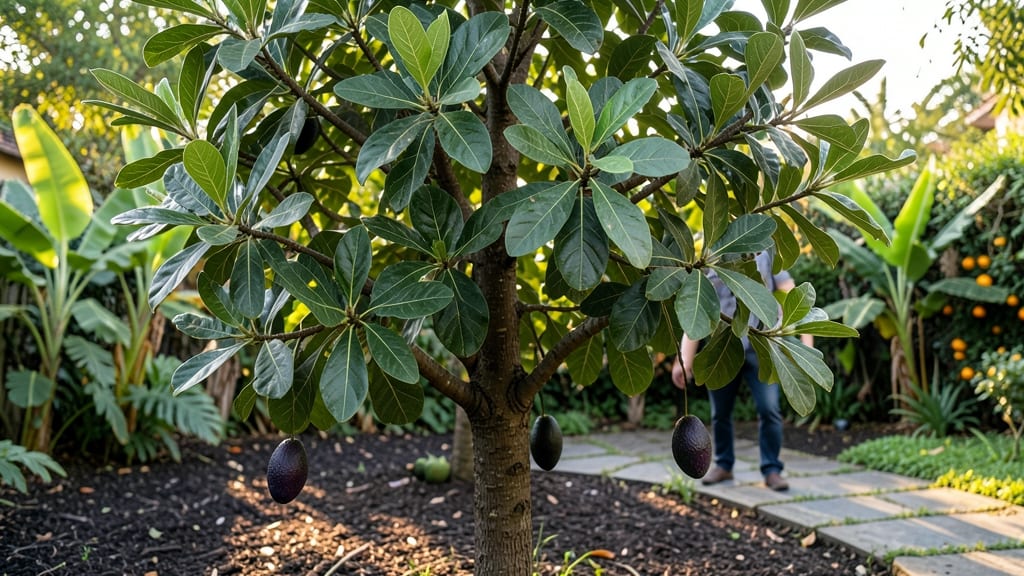
How tall an avocado tree grows depends on the variety and growing conditions—spanning heights between 20 and 80 feet, making them one of the most dramatic backyard investments you can make 🥑.
If you're dreaming of a lush avocado tree in your backyard but wondering how much space to allocate, you're not alone—this tropical giant grows much taller than most home gardeners expect.
From dwarf varieties that stay under 15 feet to towering giants reaching 80 feet in the wild, avocado tree height varies dramatically by species, climate, and care.
Here’s the exact breakdown you need to plan your garden (or balcony!) accordingly, including the fastest-growing varieties and pruning secrets to keep your tree at your ideal height.


Avocado tree height by variety: from dwarf to giant species
Choosing the right avocado tree variety is the first step in controlling its height. Some varieties stay compact enough for urban backyards, while others grow into towering giants that need acres of space.
The Hass avocado, for example, is the most popular variety in home gardens but can reach 30-50 feet if left unpruned. Meanwhile, dwarf varieties like 'Wurtz' or 'Bacon' top out at just 10-15 feet, making them perfect for containers or small patios.
Your climate also plays a huge role in how tall your avocado tree will grow. In USDA Zone 9b+, where frost is rare, trees grow faster and reach their mature height more quickly.
But in cooler zones like Zone 6, growth slows dramatically unless you grow it in a large container that you can move indoors during winter. Even then, expect 20-30% slower growth compared to frost-free regions.
Let's compare the most popular avocado tree varieties by their mature heights, growth rates, and ideal spacing for home gardens. This will help you decide whether to plant a dwarf variety for your balcony or a standard tree for your backyard orchard.
🌱
| Variety | Mature Height (ft) | Growth Rate (ft/year) | Ideal Spacing (ft) | Best For |
|---|---|---|---|---|
| Hass | 30-50 | 1.5-3 | 20-25 | Backyards, orchards |
| Fuerte | 40-60 | 2-4 | 30-40 | Large properties |
| Reed | 20-30 | 1-2 | 15-20 | Containers, small yards |
| Bacon | 10-15 | 0.5-1.5 | 10-12 | Balconies, patios |
| Wurtz | 12-18 | 0.8-1.5 | 8-10 | Containers, small spaces |
| Lamb Hass (Dwarf) | 15-20 | 1-2 | 12-15 | Urban gardens |
The Hass avocado is the most common variety in home gardens because it's cold-hardy and produces delicious, creamy fruit. However, its 30-50 foot mature height means you'll need to plan for regular pruning to keep it manageable.
If you're in a small space, consider the Bacon or Wurtz varieties, which stay under 15 feet and are perfect for container growing.
For fast growth, the Fuerte variety is one of the quickest, adding 2-4 feet per year in ideal conditions. But this also means it will need 30-40 feet of spacing to avoid competing with nearby plants. If you're growing in containers
How fast avocado trees grow: height milestones by age
Avocado trees are notorious for their rapid vertical growth, especially when given ideal conditions. In their first year, a young avocado seedling can shoot up 1-2 feet if planted in well-draining soil with full sun.
This growth rate accelerates dramatically in subsequent years, with some varieties reaching 10 feet or taller by year three. Understanding these milestones helps you plan for pruning, spacing, and even container gardening to manage their towering ambitions.
However, growth speed isn’t just about age—it’s also influenced by climate, pruning habits, and soil quality. In tropical zones like California or Florida, avocado trees grow 2-3x faster than in cooler climates where they’re container-grown.
Pruning at the right time (late winter or early spring) can slow height growth while encouraging a bushier, fruit-bearing shape. Let’s break down the exact height milestones by age and how to control them.
- 1 Year 1: 1-2 feet (seedling stage; focus on root development)
- 2 Year 2: 3-5 feet (rapid vertical growth; prune to shape)
- 3 Year 3: 6-10 feet (critical pruning window to control height)
- 4 Year 4-5: 12-20 feet (dwarf varieties; standard types reach 25+ feet)
- 5 Mature (5+ years): 20-80 feet (varies by variety; wild types can exceed 80 feet)
If you’re growing a Hass avocado (the most popular variety), expect it to reach 20-30 feet in ideal conditions, while dwarf varieties like ‘Bacon’ or ‘Wurtz’ max out at 10-15 feet.
The key to managing height lies in pruning young trees—cutting back 20-30% of new growth in late winter encourages a wider canopy and slower vertical expansion. Without pruning, avocado trees can become unmanageable, especially in small backyards or urban settings.
Soil quality plays a surprising role in growth speed. Avocado trees thrive in well-draining, slightly acidic soil (pH 6.0-7.0). Amend heavy clay soil with compost or sand to prevent root rot, which can stunt growth.
In container gardens, use a mix of potting soil and perlite to mimic ideal drainage. Remember, slower growth in containers is normal—these trees prioritize root health over vertical expansion when root-bound.
Climate is another game-changer. In USDA Zone 9b or warmer, avocado trees grow aggressively year-round, while in Zone 6 or cooler, they enter dormancy in winter, slowing growth temporarily.
If you’re in a cooler zone, container-grown trees can be moved indoors during frost to protect them and maintain steady growth. Just avoid fertilizing during dormancy—this can stress the tree and lead to weak new growth in spring.
For home gardeners, the first 3 years are critical for shaping your avocado tree’s future height. Use top-pruning (cutting the central leader) to encourage lateral branches, which produce more fruit.
Balance pruning with regular watering—deep soaks once a week for young trees—and avoid over-fertilizing with nitrogen, which fuels leafy growth at the expense of fruit. With the right care, you can keep even standard varieties under 15 feet in a backyard setting.