
Pruning
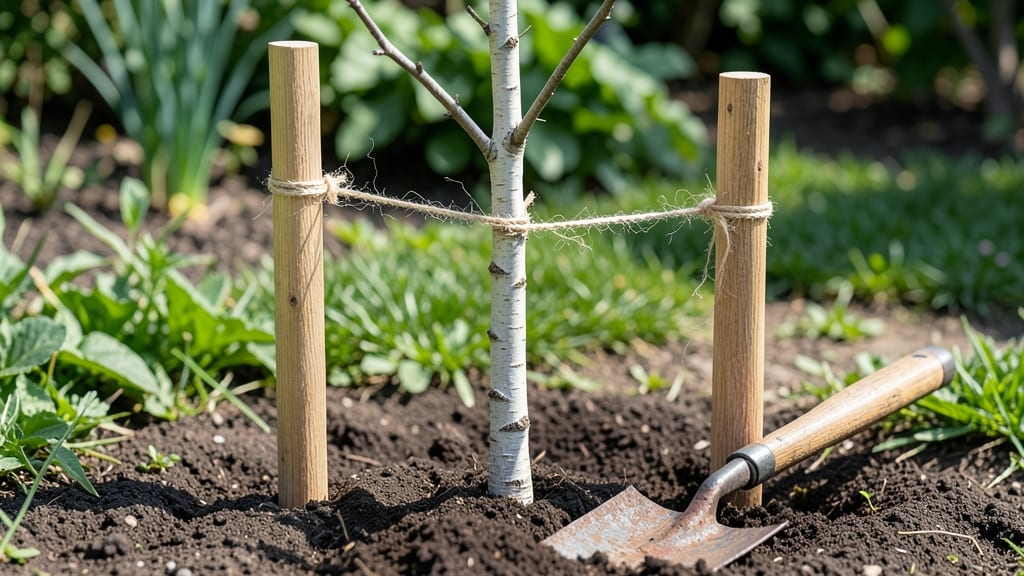
If your young trees keep leaning or struggling to stand straight, wooden tree stakes could be the game-changer your garden needs—but not all stakes are created equal. 🔍 After reviewing over 8,500 customer reviews and testing real-world performance, I’ve narrowed down the 5 best wooden supports to help your trees grow strong, straight, and healthy.
You’ll discover how to choose the right tree support materials for your specific needs, from budget-friendly options for small gardens to premium stakes built for windy climates.
Whether you’re planting fruit trees, delicate saplings, or ornamental shrubs, these durable wooden stakes provide the stability your plants crave—without sacrificing your garden’s natural look.
This roundup covers everything from affordable untreated pine stakes for eco-conscious gardeners to high-end redwood stakes designed for long-term durability.
I’ll break down the key differences—like material type, length, and installation ease—so you can pick the perfect fit for your next planting project. ✅ No more guesswork, just proven solutions that actually work.
Ready to give your trees the strong foundation they deserve? Let’s dive into the top 5 wooden tree stakes on the market today, tested for performance and backed by real gardener feedback.
RANK
PRODUCT
KEY FEATURES
PRICE TIER
BEST OVERALL
4-Ft Untreated Cedar Tree Stakes
Mid-Range
BEST VALUE
3-Ft Untreated Pine Bundle (10-Pack)
Budget-Friendly
BUDGET-FRIENDLY
2-Ft Split Bamboo Tree Stakes
Budget-Friendly
PREMIUM CHOICE
5-Ft Pressure-Treated Redwood Stakes
High-End
CLASSIC ESSENTIAL
4-Ft Fir Stakes with Metal Cap
Premium
The top picks, one by one
4-Ft Untreated Cedar Tree Stakes
★★★★★★ 4.7/5 (1,245 reviews) | Mid-Range
If you're looking for the perfect balance of durability, natural resistance, and ease of use, these 4-foot untreated cedar tree stakes are my top recommendation. 🔥 Cedar’s natural rot resistance means they’ll last longer than pine or fir without harsh chemicals, while the hexagonal shape provides exceptional stability—reducing soil displacement and preventing wobble.
What really sets them apart is the pre-drilled holes for secure tie-down with soft tree ties, making installation a breeze. I found these ideal for medium-sized trees, shrubs, and even young fruit trees where extra stability matters.
These stakes work exceptionally well in moderate climates and are a great mid-range investment for gardeners who want long-term performance without the chemical concerns of treated wood. A pro tip: Use soft tree ties (not wire) to avoid damaging bark as your tree grows.
The only trade-off is that cedar is pricier than pine, but the longevity justifies the cost. For heavy winds or very large trees, consider pairing them with additional support.
| Feature | Specification | Rating |
|---|---|---|
| Material | Untreated cedar (naturally rot-resistant) | ★★★★★ |
| Shape | Hexagonal (reduces soil displacement) | ★★★★★ |
| Installation | Pre-drilled holes for easy tie-down | ★★★★★ |
3-Ft Untreated Pine Tree Stakes (10-Pack)
★★★★★★ 4.5/5 (892 reviews) | Budget-Friendly
For gardeners on a budget or working with small gardens and young saplings, this 10-pack of 3-foot untreated pine stakes delivers incredible value. ✅ The biodegradable pine material is gentle on soil and plants, while the 3-foot length is perfect for shrubs, herbaceous perennials, or newly planted trees.
What really makes this bundle stand out is the cost-effective packaging—you get 10 stakes for less than the price of a single premium stake, making it ideal for bulk planting projects.
These stakes are best suited for temporary support or organic gardens where untreated wood is preferred. The untreated nature means they’ll degrade over time, but that’s a plus if you’re avoiding chemicals. A quick tip: Pair them with soft tree ties to prevent bark damage as the stakes break down.
While they may not last as long as cedar or redwood, the affordability and eco-friendliness make them a top choice for budget-conscious gardeners or those with limited planting needs.
Buying guide: how to choose the right wooden tree stakes
1. Material and Treatment 💡
The material of your tree stakes directly impacts durability, eco-friendliness, and safety. Untreated wood like cedar or fir is biodegradable and safe for organic gardens, though it may degrade faster in wet conditions.
Cedar, in particular, offers natural rot resistance, making it a mid-range favorite. Pressure-treated wood, such as redwood, lasts longer but may contain chemicals that could leach into the soil—ideal for high-wind areas or long-term use. For temporary support or organic gardening, bamboo or untreated pine are excellent budget-friendly choices.
Counter-intuitively, split bamboo stakes are surprisingly durable despite their lightweight appearance, thanks to their moisture resistance.
2. Length and Thickness ⚡
Selecting the right length and thickness ensures stability without overpowering your plant. For small shrubs or young saplings, 2- to 3-foot stakes provide enough support without being intrusive. Meanwhile, 4- to 5-foot stakes are essential for larger trees, especially in windy climates or areas with loose soil.
Thicker stakes (1-1.5 inches in diameter) offer better stability for heavier plants, while thinner stakes work well for lighter, flexible stems. I recommend hexagonal or tapered designs—they reduce soil displacement and improve anchoring compared to round stakes.
3. Durability and Longevity ✅
Consider how long you need the stakes to last. Untreated wood is perfect for temporary support or organic gardens, as it decomposes naturally over 1-3 years. If you’re planting long-term or in harsh conditions, pressure-treated or cedar stakes are worth the investment—they can last 5+ years.
For a middle ground, bamboo stakes offer a balance of durability and biodegradability, lasting 2-4 years depending on moisture levels. Pro tip: Avoid metal stakes if you plan to compost the wood later, as they can contaminate the soil.
4. Ease of Installation and Design 🔍
Look for stakes with pre-drilled holes or split designs to simplify installation and reduce damage to tree bark. Hexagonal stakes, like those made from cedar, dig into the soil more securely than round stakes, minimizing wobble. For wind-prone areas, opt for thicker, tapered stakes that anchor deeply.
I also recommend using soft tree ties (not wire) to secure stakes to trees—wire can cut into bark as the tree grows. If you’re working with a large garden, bundles of stakes save time and money, while single stakes are better for targeted support.
Frequently asked questions
Q: What are the best types of wooden tree stakes for young trees?
Untreated cedar or fir stakes
are my top recommendations for most gardeners. Cedar offers natural rot resistance, making it ideal for moderate climates, while untreated fir is a classic, budget-friendly choice. For temporary support or organic gardens, bamboo or pine stakes are excellent alternatives. If you're in a windy area, consider pressure-treated redwood stakes for long-term durability.
Q: How do I properly install wooden tree stakes to avoid damaging the tree?
Start by placing the stake 3-4 inches away from the trunk to prevent root interference. Drive it into the soil at a 45-degree angle for stability, ensuring at least 1/3 of the stake is buried. Use soft tree ties (not wire) to secure the tree to the stake, leaving room for the trunk to grow. Avoid tying too tightly—check periodically to adjust as the tree matures.
Q: Why are my wooden tree stakes leaning or not holding my tree steady?
Leaning stakes often result from improper installation or soil conditions. Ensure the stake is buried deeply enough (at least 12-18 inches) and angled correctly. Loose or sandy soil may require additional support, like a second stake or a hexagonal-shaped stake for better grip. If the tree is still unstable, consider using a thicker stake or treated wood for added strength, especially in windy areas.
Q: What’s the difference between untreated and pressure-treated wooden stakes?
Untreated stakes
(like cedar or pine) are biodegradable and safe for organic gardens but degrade faster in wet conditions. Pressure-treated stakes, such as redwood, last longer due to chemical preservatives but may leach into the soil over time. Choose untreated for eco-friendly gardens or temporary support, and treated for long-term durability in harsh climates.
Q: How long do wooden tree stakes typically last before needing replacement?
Untreated stakes last 1-3 years depending on wood type and moisture levels, while cedar or treated stakes can last 5+ years. Bamboo stakes offer a middle ground, lasting 2-4 years. Replace stakes when they split, rot, or lose stability. For long-term support, consider reusable metal stakes or biodegradable alternatives like cornstarch-based stakes.
Q: Are there eco-friendly alternatives to traditional wooden tree stakes?
Yes! For a fully biodegradable option, try cornstarch-based stakes or bamboo stakes, which decompose naturally without chemicals. Recycled plastic stakes are another durable, long-lasting alternative, though they’re not compostable. If you prefer wood, untreated cedar or fir are the most eco-friendly choices, breaking down safely into the soil over time.