
Container Gardens
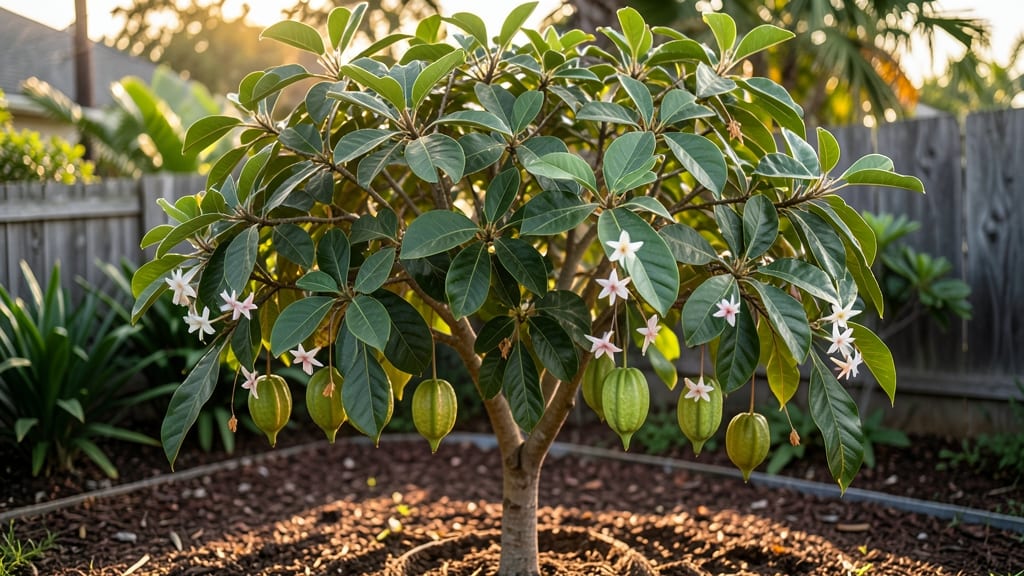
Star fruit trees grow best in USDA zones 10 through 12, where warm climates above 30°F (-1°C) persist year-round. These tropical plants cannot survive frost and require full sun exposure for healthy fruit production.
These tropical trees demand consistent warmth—even brief dips below 30°F (-1°C) can damage leaves and fruit. 🌞 In zones 10-12, they flourish with 6-8 hours of direct sunlight daily and well-draining soil, producing sweet, star-shaped fruits year-round.
The key challenge is their zero tolerance for cold snaps, which is why gardeners in cooler regions must use containers or indoor growing methods. Without proper protection, even a light frost will kill the plant.
If you're outside these zones, consider container growing with winter indoor care or selecting cold-hardy rootstock varieties. Microclimates near south-facing walls or greenhouses can extend the growing season. The trade-off? Container-grown trees may produce smaller fruit due to limited root space, but they'll survive where in-ground planting would fail.
💡 In This Article
- USDA Zones 10-12: Ideal Climate Conditions for Star Fruit Trees
- How to Grow Star Fruit in Cooler Climates: Container Tips and Microclimates
USDA zones 10-12: ideal climate conditions for star fruit trees
Star fruit trees (Averrhoa carambola) are tropical natives that thrive in USDA zones 10-12, where average winter temperatures hover between 60-75°F (15-24°C). The critical threshold is 30°F (-1°C)—any colder, and the plant's leaves will develop brown, crispy edges from cold damage, while fruit may drop prematurely.
In zone 10, where winters rarely dip below 30°F (-1°C), trees produce fruit year-round, while zone 11-12's even warmer temps (70-85°F / 21-29°C year-round) accelerate growth but can lead to heat stress if humidity drops below 50%. 🌴
The real magic happens in the humidity levels—star fruit trees prefer 60-80% relative humidity, mimicking their native Southeast Asian habitats. In dry climates like southern California (zone 10), supplemental misting or drip irrigation helps prevent leaf scorch.
Coastal areas in zones 11-12 benefit from natural ocean breezes that moderate temperatures, while inland zones may need shade cloth (30-50% block) during peak summer to prevent leaf burn. The soil must drain aggressively—root rot is a silent killer when water pools around roots in heavy clay.
Seasonal shifts matter too. In zone 10, trees enter a "resting" phase during cooler months (Dec-Feb) when growth slows but doesn't stop entirely—unlike deciduous plants. This is why pruning should occur in late winter (60-70°F / 15-21°C) to remove dead wood while preserving the canopy.
Zone 11-12's lack of true seasons means continuous flowering and fruiting, but gardeners must monitor for pests like aphids that thrive in warm, humid conditions. 🌡️
What most growers overlook is the plant's sensitivity to temperature swings. A sudden drop from 90°F (32°C) to 50°F (10°C) in 24 hours can trigger shock, causing blossom drop even in zone 11.
This is why microclimates—like planting near south-facing walls or under eaves—create buffer zones. The tree's bark, while smooth, lacks the protective cork layer of citrus trees, making it more vulnerable to cold windburn.
Here's the science: Star fruit trees rely on a process called "thermoperiodism"—their flowering cycles trigger only when day-night temperature differentials fall within 5-10°F (3-6°C). In zone 10, this happens naturally, but in hotter zones, artificial shading during afternoon heat can help maintain this balance.
The fruit itself develops best when daytime temps stay between 75-85°F (24-29°C), while nights below 65°F (18°C) can stunt growth. 🌡️
For those on the edge of zone 10, consider the 'Arka Sahan' variety—it tolerates brief dips to 28°F (-2°C) better than standard types, though fruit quality declines. The trade-off? Slower growth and smaller harvests.
In zone 12's extreme heat, mulching with 4-6 inches of organic matter helps retain moisture and cool root zones. The key takeaway: Star fruit trees aren't just about warmth—they demand consistent, predictable conditions that mimic their tropical origins.