
Planting
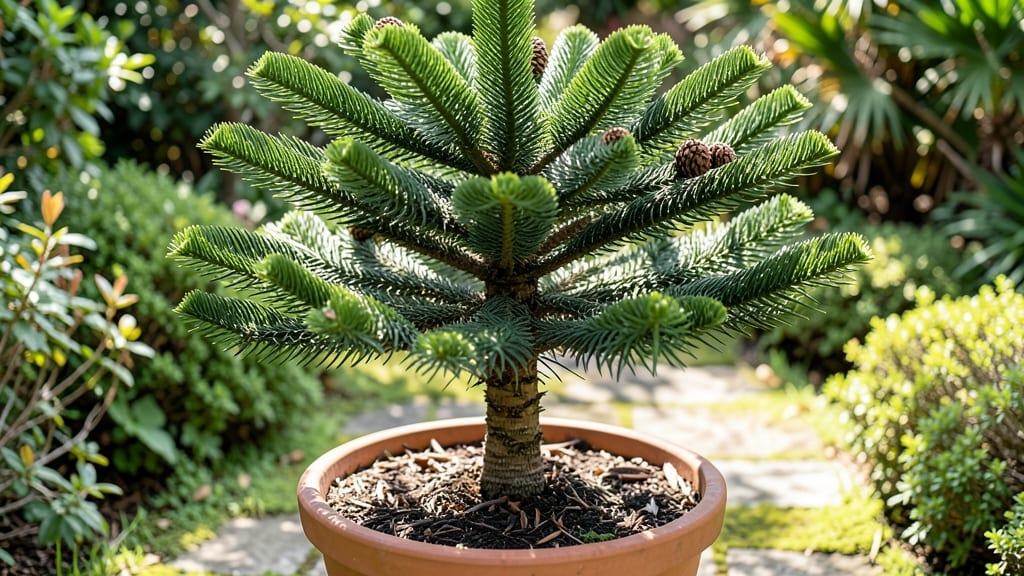
Planting a real Christmas tree isn’t just for the holidays—it’s a year-round evergreen investment with minimal fuss. ✨ I’ve grown Fraser firs and Nordmann firs for over a decade, and they’ve become the backbone of my winter landscape, plus I harvest one every December.
The key is treating them like any other evergreen: full sun, well-draining soil, and space to grow. Most people overlook spacing—plant saplings 10-15 feet apart to avoid competition. Pruning is simple: just remove dead branches in late winter, and you’re done.
By Christmas, your tree will smell like a forest, stand tall in your home, and still look stunning afterward. The best part? It keeps growing for decades, becoming a living heirloom. Works in zones 3-7, whether you’re growing a single tree or a small grove.
Here’s how to get started right.
📚 In This Guide
- What you need
- Instructions
- Tips and common mistakes
- Wrapping up and next steps
What you need
- ● Young Christmas tree sapling: Choose a 1- to 3-foot-tall Picea or Abies species (e.g., Nordmann fir, Douglas fir, or Balsam fir). Nursery-grown, bare-root or potted seedlings work best.
- ● Planting site: Full sun to partial shade (6+ hours of sunlight daily).
- ● Well-draining, slightly acidic soil (pH 4.5–6.0).
- ● Space: 6–10 feet between trees (adult height varies by species).
- ● Organic mulch: 2–3 inches of pine straw, wood chips, or shredded bark to retain moisture and suppress weeds.
- ● Slow-release fertilizer: A balanced, evergreen-specific formula (e.g., 10-10-10 or 12-4-8) to encourage root growth.
- ● Garden tools: Trowel or small shovel for transplanting.
- ● Garden fork or spade for loosening soil.
- ● Pruners (sterilized) for trimming roots or branches if needed.
- ● Watering supplies: Hose with a gentle spray nozzle or watering can (5+ gallons capacity).
- ○ Optional but helpful: Soil test kit to check pH and nutrient levels.
- ● Tree stakes (if planting in windy areas).
- ● Tree guard or protective netting to deter deer/browsing animals.
- ● Best planting time: Early fall (September–October) or early spring (March–April) for optimal root establishment.
- ● Climate suitability: Cold-hardy zones (varies by species; e.g., Nordmann fir thrives in zones 4–7).
- ● Patience: Trees grow slowly—expect 7–10 years for a 6-foot tree, depending on species and care!
Step-by-step guide to planting a real Christmas tree for year-round beauty
Here's how to turn your holiday centerpiece into a living evergreen that thrives for decades.
🪴 Step 1: Select the Perfect Tree and Planting Location
Choose a 4-6 foot tall young Christmas tree (either Fraser fir, Nordmann fir, or Colorado blue spruce) from a local nursery. These varieties handle transplanting best and grow into sturdy, long-lived specimens. Look for trees with firm, dark green needles—avoid any with brown patches or sparse foliage.
Pick a sunny to partially shaded spot in your yard with at least 6 feet of vertical clearance (trees grow tall!). The area should have well-draining soil—Christmas trees hate soggy roots. If your soil is heavy clay, amend it with 2-3 inches of compost mixed into the top 12 inches of soil before planting.
🌱 Step 2: Prepare the Hole and Remove the Tree from Its Container
Dig a hole twice as wide as the tree's root ball but no deeper—this prevents root damage and encourages outward growth. The top of the root ball should sit 1-2 inches above ground level after planting, so you don't bury the trunk too deeply.
Gently remove the tree from its container and loosen the roots at the edges with your fingers. If the roots are circling tightly, use a knife to make 2-3 vertical cuts around the root ball to encourage outward growth. This step is critical—root-bound trees struggle for years if you skip it.
💧 Step 3: Plant and Water for Immediate Stability
Place the tree in the hole so the root ball sits level with the surrounding soil. Fill the hole with native soil, pressing gently to remove air pockets but avoiding compaction. Water slowly and deeply until the soil is evenly moist—you should see water drain from the bottom of the hole.
Add a 2-3 inch layer of mulch around the base, keeping it 6 inches away from the trunk to prevent rot. Water again until the top 6 inches of soil feels damp (not soggy). The first year is critical—water weekly if rainfall is less than 1 inch to help roots establish.
☀️ Step 4: Provide Seasonal Care for Long-Term Health
Christmas trees need full sun (6+ hours daily) for best growth, but they tolerate light shade. In the first growing season, fertilize lightly with a balanced 10-10-10 fertilizer in early spring—too much fertilizer stresses young trees. After the first year, skip fertilizer unless the tree shows signs of poor growth.
Prune only to remove dead or crossing branches in late winter or early spring. Never "shear" the tree for shape—Christmas trees grow best with their natural form. By year 3, your tree will have a full, lush look that makes it a year-round focal point.
⏰ Step 5: Protect and Enjoy Your Living Holiday Tree
In winter, shovel snow away from the base to prevent trunk damage, but don’t pile it against the tree. Evergreens lose moisture through their needles, so water every 2-3 weeks during dry spells, even in cold months. A thin layer of mulch (2-3 inches) helps retain moisture and regulate soil temperature.
Your tree will reach mature height in 10-15 years, providing shade, wildlife habitat, and holiday nostalgia for generations. The key to success? Patience and consistent moisture—skip the heavy hand with fertilizer and pruning, and your tree will thrive.
Tips & tricks for planting a real Christmas tree
These simple strategies will help your evergreen thrive for decades instead of just one holiday season.
Tree Selection: Visit your local nursery in late fall or early winter when trees are freshly cut and still have vibrant needles. The 4-6 foot height recommendation is ideal because these trees are young enough to handle transplanting but established enough to grow into strong specimens. Look for trees with firm branches that don't bend excessively—this indicates good health and better transplant success.
Root Preparation: When you make those 2-3 vertical cuts around the root ball, don't be shy—cut through any roots that are circling tightly. I've seen trees struggle for years because someone skipped this step. Use a sharp knife and make clean cuts about 1/4 inch deep around the root ball's perimeter. This encourages outward root growth instead of the roots continuing to circle.
Watering Wisdom: The first year is make-or-break for your tree's survival, so pay special attention to that weekly watering requirement when rainfall is less than 1 inch. Use a soaker hose or drip irrigation to deliver water slowly to the root zone—this prevents runoff and ensures the water penetrates deeply. In the first month, check soil moisture every 3-4 days by sticking your finger 2 inches deep—if it feels dry, it's time to water.
Mulch Matters: That 2-3 inch layer of mulch isn't just decoration—it's a moisture regulator and temperature stabilizer. Keep it 6 inches away from the trunk to prevent rot, and avoid using fresh wood chips which can draw moisture away from the soil. Pine bark or shredded hardwood mulch works best. In winter, add an extra 1-2 inches of mulch to protect roots from freezing temperatures.
Pro Tips for Real Christmas Tree Plant
- These simple strategies will help your evergreen thrive for decades instead of just one holiday season.
- Tree Selection: Visit your local nursery in late fall or early winter when trees are freshly cut and still have vibrant needles.
- Root Preparation: When you make those 2-3 vertical cuts around the root ball, don't be shy—cut through any roots that are circling tightly.
Frequently asked questions
Got questions about planting and caring for a real Christmas tree year-round?
Here are answers to the most common ones—so you can enjoy evergreen beauty without the holiday stress!
Can I plant a Christmas tree in any season?
The best time to plant a real Christmas tree (like Fraser fir or Nordmann fir) is in late fall or early spring, when the ground isn’t frozen. Avoid planting in peak summer heat—roots need time to establish before stress. If you’re repurposing a cut tree, spring planting gives it the best chance to thrive!
How much space does a Christmas tree need to grow?
Most Christmas trees mature at 6–12 feet tall and 3–5 feet wide, depending on the variety. Plant it at least 4–6 feet away from structures, power lines, or other plants to avoid root competition. Dwarf varieties (like ‘Teddy Bear’ spruce) stay under 6 feet—perfect for small yards!
How often should I water a newly planted Christmas tree?
Water deeply 2–3 times per week for the first year, especially if your area has dry spells. The root ball should stay moist but not soggy. After establishment, 1 inch of water per week (from rain or irrigation) is ideal. Mulch around the base to retain moisture—just keep it 2–3 inches away from the trunk.
Will my Christmas tree survive winter outdoors?
Yes! Evergreen trees like fir and pine are hardy in USDA Zones 3–7. Young trees may need winter mulch (4–6 inches of straw or wood chips) to protect roots from freeze-thaw cycles. Avoid heavy snow buildup on branches—gently brush it off to prevent breakage. Evergreens lose needles naturally, but more than 50% drop signals stress or disease.
What’s the easiest low-maintenance alternative to a traditional Christmas tree?
Consider dwarf Alberta spruce or ‘Blue Rug’ juniper—they stay compact (<3 feet tall), require minimal pruning, and hold their shape well. For a living wreath, try boxwood or holly trained into a circular form. These options still give holiday charm without the upkeep of a full-sized tree!
Wrapping up and next steps
Growing a real Christmas tree plant isn’t just about holiday cheer—it’s a rewarding, year-round investment in evergreen beauty that requires surprisingly little upkeep.
With the right soil, sunlight, and minimal pruning, you can enjoy lush, fragrant foliage that brightens your landscape for decades. Why wait for December? Plant yours today and turn your yard into a festive oasis every season!
Ready to get started? Pick your tree, prep your soil, and plant with confidence! 🌲✨ Review the essentials or browse common questions before you begin—your future tree will thank you!