
Trees
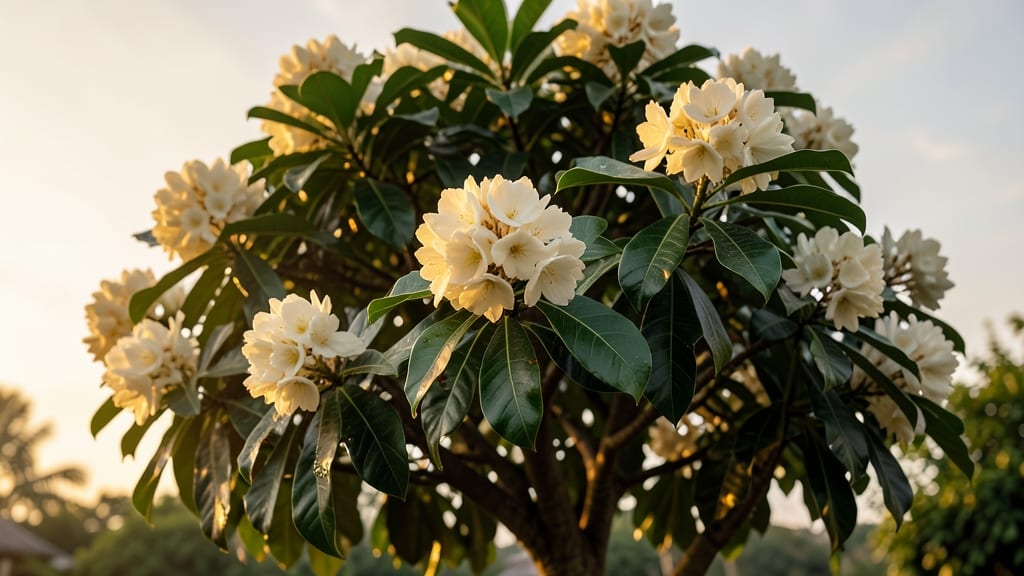
Transform your garden into a fragrant paradise with these 10 jasmine-scented trees that attract pollinators while filling the air with intoxicating floral aromas. Perfect for privacy screens, shade, or standalone beauty, these trees bring both sensory delight and ecological benefits.
Cestrum Nocturnum (Night-Blooming Jasmine)
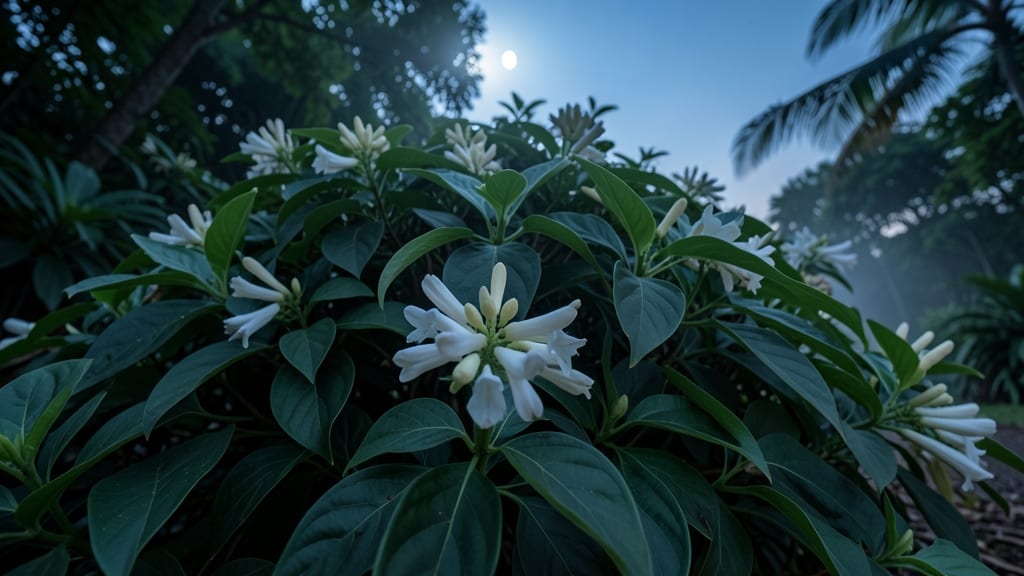
Turn your backyard into a moonlit sanctuary with Cestrum nocturnum, the night-blooming jasmine that releases its intoxicating scent after dark. Unlike daytime-blooming jasmine, this tropical shrub opens its white, tubular flowers only when the sun sets, creating a magical evening ambiance that draws you outside as the day cools.
Thriving in USDA zones 9-11, this evergreen shrub loves full sun to partial shade and well-drained soil. With minimal care—just occasional pruning to shape its 3-6 foot height—it rewards you with summer-to-fall blooms that attract moth pollinators while keeping pests like mosquitoes at bay. The glossy, dark green leaves add year-round texture, making it a low-maintenance star for patios or container gardens.
Perfect for gardeners who love romantic evening scents or want to support nocturnal pollinators, this fragrant beauty turns dusk into a sensory experience. 🌻
Jasminum Officinale (Common Jasmine)
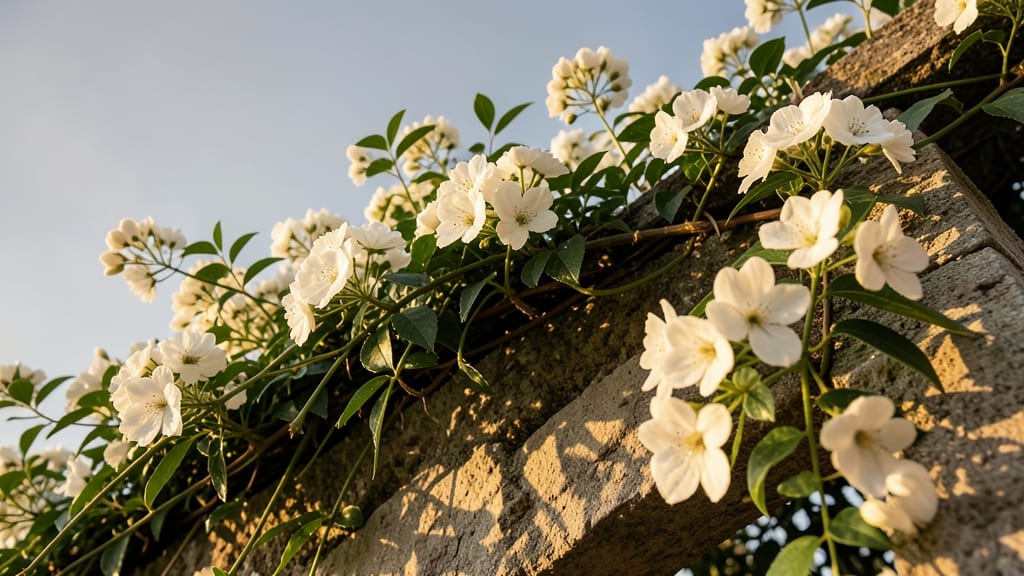
If you crave a garden that smells like a Mediterranean breeze, Jasminum officinale delivers the most classic jasmine fragrance of all. This versatile climber transforms any space into a fragrant retreat with its intensely sweet white flowers that release their scent at night and early morning.
Thriving in USDA zones 7-10, this plant loves full sun to partial shade and well-draining soil. You can train it up a trellis, arbors, or even shape it into a small tree with strategic pruning—just remove overcrowded stems in late winter. The key to maximizing fragrance is keeping it healthy: water regularly during dry spells but avoid soggy soil.
Perfect for urban gardeners with small spaces or anyone who wants a low-maintenance fragrant focal point, this jasmine brings timeless charm to patios, balconies, or garden borders. 🌿
Gardenia Jasminoides (Cape Jasmine)
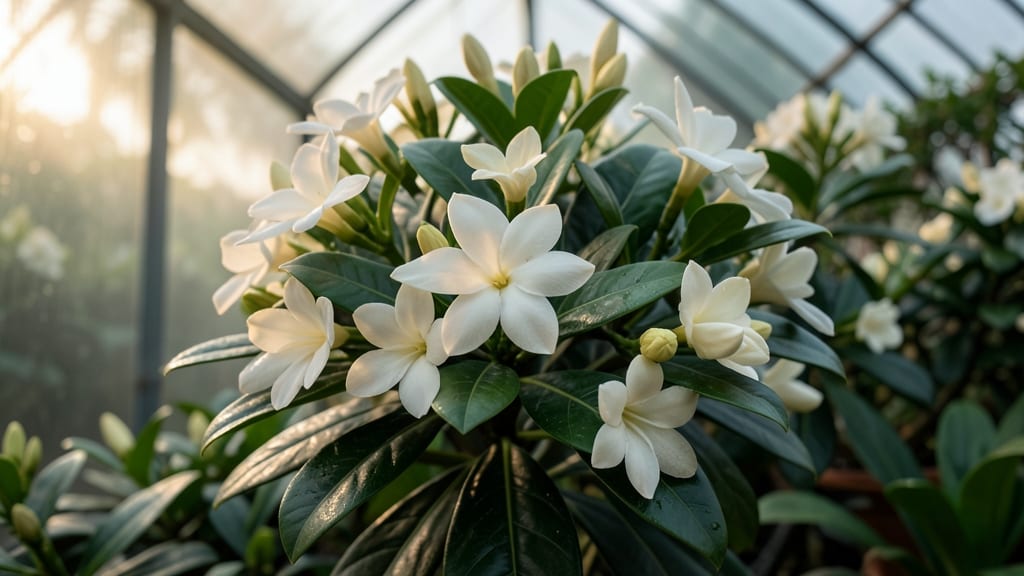
If you crave a garden that smells like a tropical escape, Gardenia jasminoides delivers a double whammy of fragrance—jasmine meets gardenia in one intoxicating bloom. This evergreen shrub/tree thrives in humid climates and blooms year-round with creamy white flowers that release their sweetest scent in the evening, when bees and butterflies flock to feast on its nectar.
To keep your Gardenia jasminoides thriving, plant it in partial shade to full sun (morning sun is ideal) with well-draining, acidic soil (pH 5.0-6.5). Water consistently but avoid soggy roots—this tropical beauty prefers moisture but hates wet feet. Prune lightly after flowering to maintain shape, and fertilize monthly during the growing season with an acid-loving plant formula. The glossy, dark green leaves add lush texture year-round, making it a standout in any landscape.
Perfect for gardeners in USDA Zones 8-11, this fragrant shrub is a low-maintenance superstar for patios, foundation plantings, or as a standalone specimen. Its bee-attracting blooms and year-round fragrance make it a must-have for pollinator-friendly gardens. 🌿
Plumeria Rubra (Frangipani Tree)
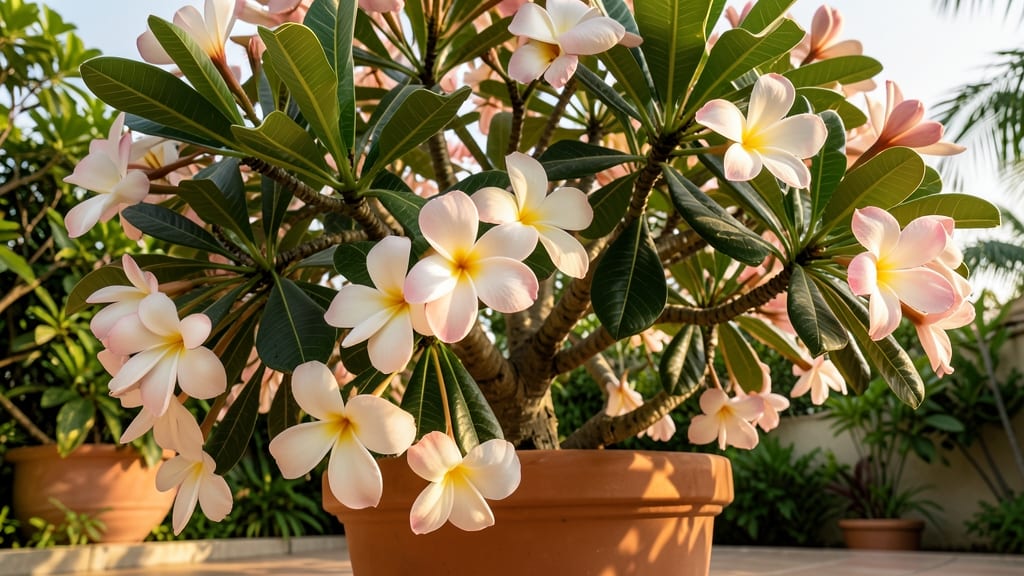
Bring the tropics to your patio with Plumeria Rubra, the frangipani tree whose waxy, jasmine-scented blooms create an instant vacation vibe. Unlike other jasmine-scented trees, this stunning tropical beauty thrives in containers, making it perfect for small spaces, balconies, or urban gardens.
Native to Southeast Asia, this tree loves full sun (6+ hours daily) and well-draining soil—ideal for pots with drainage holes. Its fragrant flowers come in vibrant hues like pink, red, and yellow, and they bloom year-round in warm climates (USDA zones 10-12). For best results, prune after flowering to encourage bushier growth and more blooms.
This low-maintenance beauty is ideal for gardeners in warm climates who want a fragrant, colorful centerpiece without the space requirements of larger trees. Its container-friendly nature makes it perfect for renters or those with limited garden space. 🌻
Murraya Paniculata (Orange Jasmine)
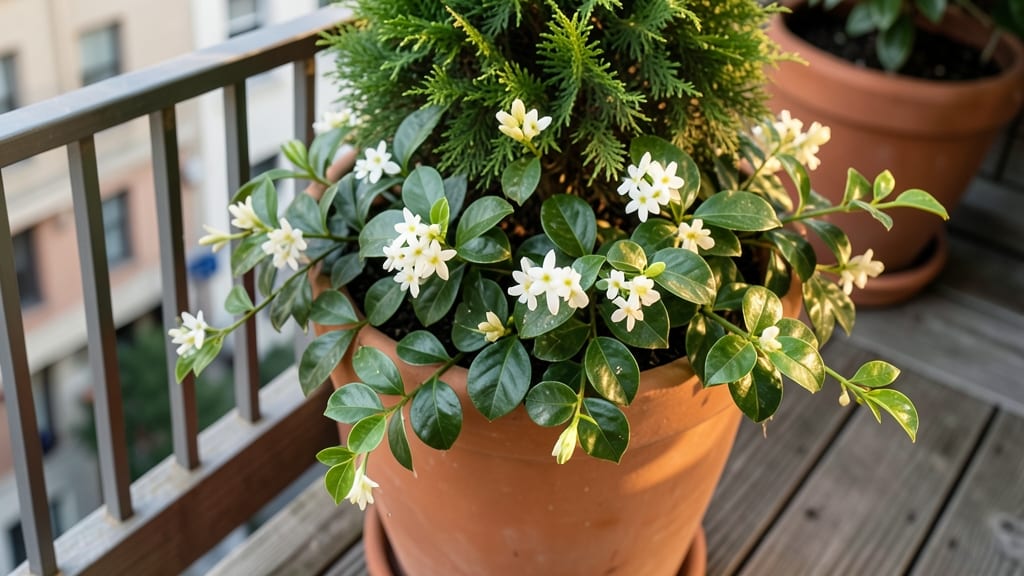
Murraya paniculata—or orange jasmine—is the ultimate low-maintenance tree for urban gardeners who crave that signature jasmine fragrance without the fuss. Unlike delicate climbers, this hardy evergreen thrives in containers, making it perfect for balconies, patios, or small yards where space is limited.
Native to Asia but adaptable to USDA zones 9-11, it produces clusters of tiny white flowers with a sweet, citrusy jasmine scent that attracts butterflies and hummingbirds. Prune lightly after blooming to maintain shape, and it rewards you with year-round glossy foliage that stays vibrant even in heat. Water when the top inch of soil dries, but it’s surprisingly drought-tolerant once established.
This tree is a game-changer for city dwellers—its compact size and fragrant blooms turn even the smallest outdoor space into a pollinator haven. 🌻
Trachelospermum Jasminoides (Star Jasmine)
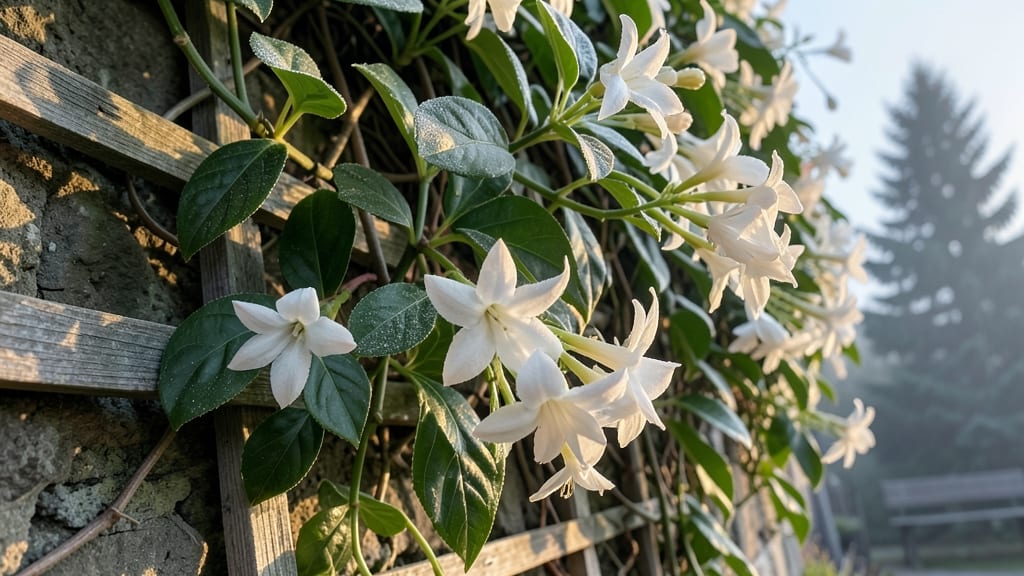
If you love the scent of jasmine but live in a cooler climate, Star Jasmine (Trachelospermum jasminoides) is your perfect match. This cold-hardy vine thrives in zones 7-11, making it ideal for northern gardens where many tropical jasmine varieties would struggle.
With its star-shaped white flowers and intoxicating fragrance, Star Jasmine blooms profusely from late spring through summer, releasing its sweet aroma in the evening when bees and butterflies are most active. Unlike other jasmine varieties, it doesn't require warm climates—it handles temperatures down to 10°F (-12°C) and can even be grown as a ground cover or climbing vine on trellises, fences, or arbors.
Perfect for urban gardeners with limited space or those looking to create a fragrant living wall, Star Jasmine offers year-round interest with its glossy evergreen leaves. 🌱
Tabebuia Impetiginosa (Pink Trumpet Tree)
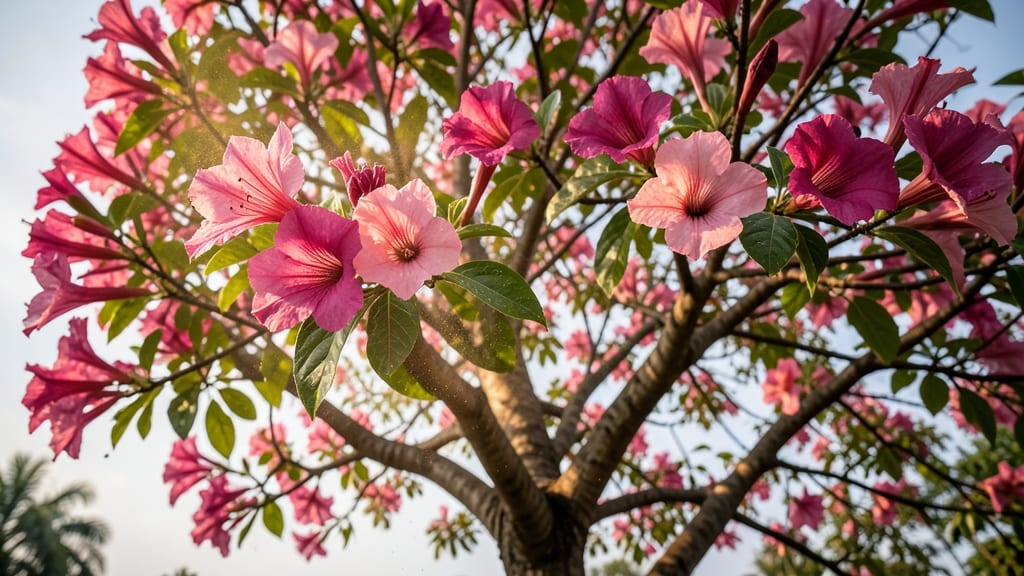
Looking for a springtime showstopper that doubles as a pollinator magnet? The Tabebuia impetiginosa, or Pink Trumpet Tree, delivers vibrant pink blooms that fill the air with a jasmine-like fragrance—like a tropical vacation in your backyard.
Native to South America, this deciduous tree thrives in USDA zones 9-11 and blooms profusely in early spring before leafing out, creating a stunning contrast. Its trumpet-shaped flowers (3-4 inches long) attract hummingbirds, bees, and butterflies, making it a pollinator powerhouse. While it prefers full sun and well-draining soil, it tolerates drought once established—ideal for low-maintenance landscapes.
Perfect for gardeners in warm climates who want seasonal color and fragrance without the fuss of high-maintenance plants. Plant it as a focal point near patios or walkways to enjoy its intoxicating scent up close. 🌻
Osmanthus Fragrans (Fragrant Olive)
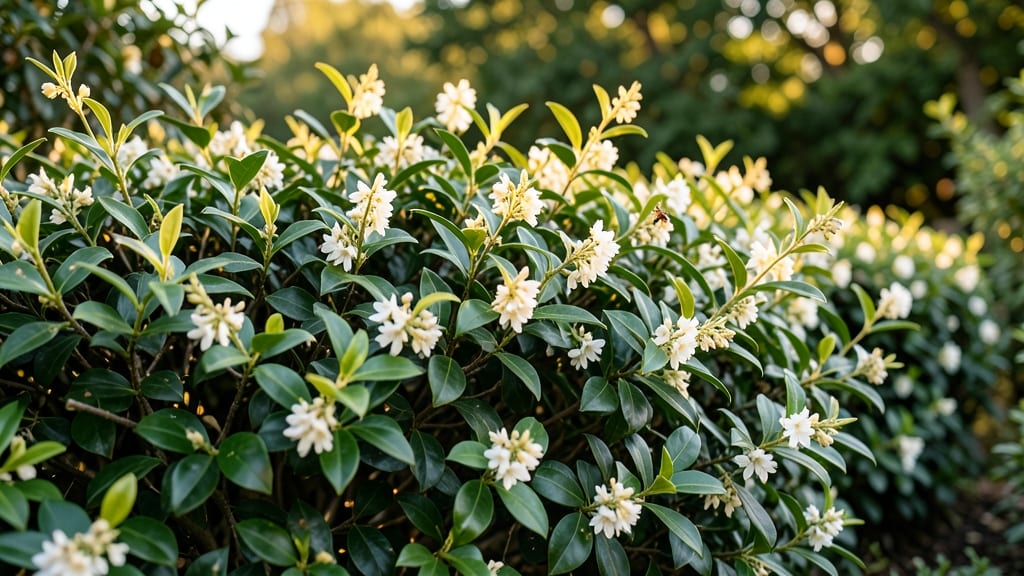
Looking for a low-maintenance evergreen that doubles as a fragrant hedge and a pollinator magnet? Osmanthus fragrans, or Fragrant Olive, delivers with its delicate jasmine-like blooms and glossy foliage that stays lush year-round.
This versatile shrub/tree thrives in partial shade to full sun and produces tiny, intensely fragrant flowers in late fall through winter—just when your garden needs a scent boost. The bonus? Its small, olive-like fruits are edible (though slightly bitter) and attract beneficial insects like ladybugs and lacewings. Prune lightly after flowering to maintain shape, and watch it grow 6–15 feet tall depending on variety.
Perfect for gardeners who want multi-season interest with minimal fuss, Osmanthus fragrans excels in hedges, foundation plantings, or as a standalone specimen. 🌿
Lagerstroemia Indica (Crapemyrtle)
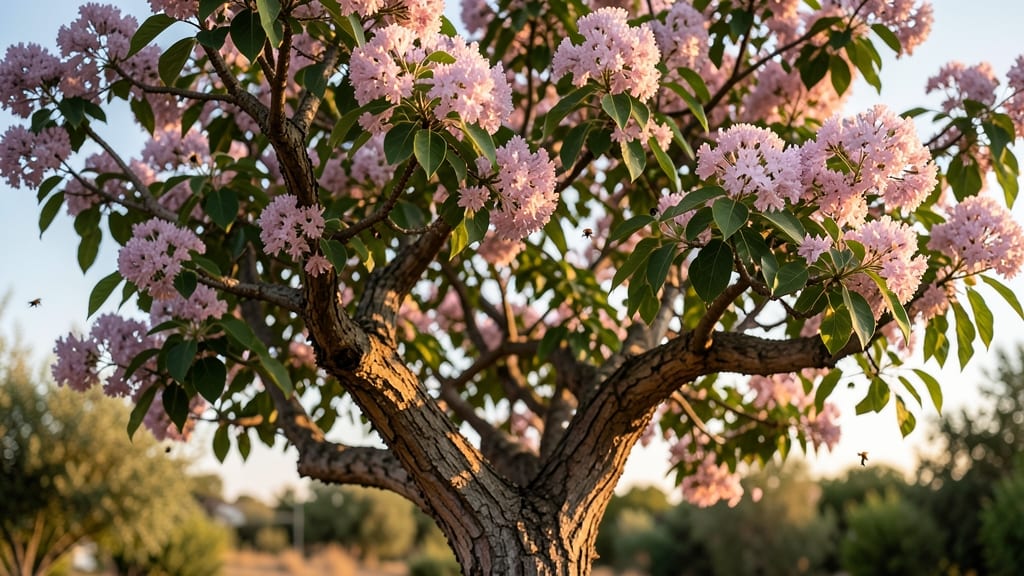
If you crave a fragrant tree that thrives in dry conditions without constant care, Lagerstroemia indica (commonly called crapemyrtle) delivers both beauty and scent. Its delicate, jasmine-like flowers release a sweet aroma that lingers in summer air, making it a standout for pollinators like bees and butterflies.
This drought-tolerant tree flourishes in full sun and well-drained soil, making it ideal for urban landscapes or water-wise gardens. Its peeling bark adds winter interest, while blooms in shades of pink, purple, or white create seasonal color. Prune lightly after flowering to maintain shape and encourage next year’s fragrant display.
Perfect for gardeners in USDA zones 7-9, crapemyrtle offers low-maintenance elegance with high rewards. Plant it near patios or walkways to enjoy its intoxicating scent while supporting local ecosystems. 🌻
Ylang-Ylang (Cananga Odorata)

Imagine stepping into your backyard and being greeted by a luxurious spa-like aroma that lingers in the warm air—this is the magic of ylang-ylang (Cananga odorata). Unlike other jasmine-scented plants, ylang-ylang produces an exotic, sweet, and slightly floral fragrance that’s prized in perfumery, making it a standout for tropical gardens.
Native to Southeast Asia, this evergreen tree thrives in USDA zones 10-12 and requires full sun to partial shade with well-draining soil. Its glossy, oval leaves and clusters of yellow-green flowers (which release their scent at night) create a lush, fragrant canopy. For best results, plant it near patios or seating areas where you can fully enjoy its intoxicating aroma. 🌿
Perfect for gardeners in warm climates, ylang-ylang also doubles as a pollinator magnet, attracting bees and butterflies while adding a touch of tropical elegance to any outdoor space. 💚