
Featured
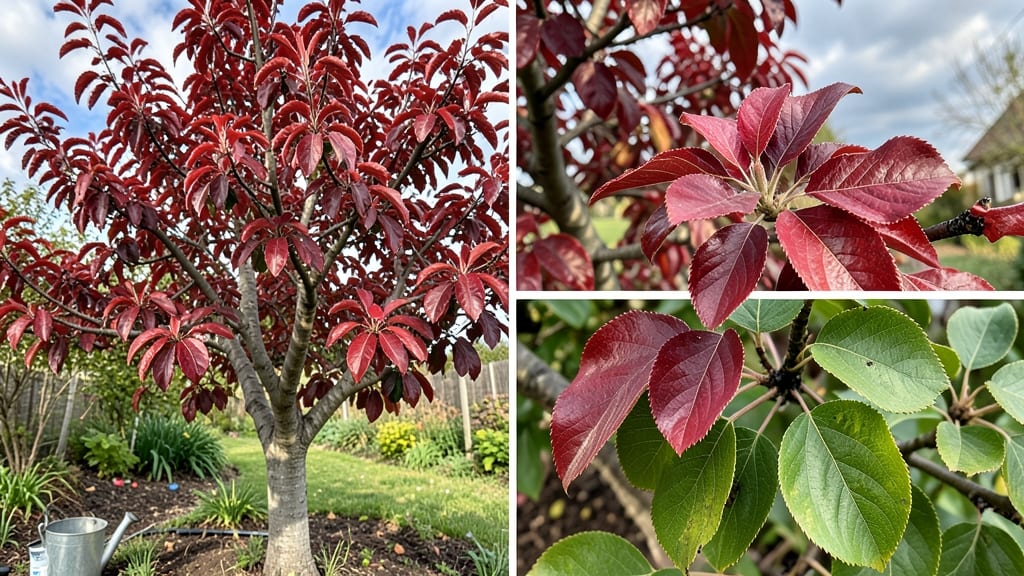
Your pear tree’s fiery red leaves could be a stunning seasonal display—or a warning sign. 🌿 I’ve seen both sides: the breathtaking autumn flush and the desperate struggle of a stressed tree fighting for survival. The difference? Knowing what’s normal and what needs fixing.
Red leaves often signal stress from sudden temperature swings, poor drainage, or nutrient gaps—especially magnesium or potassium. But they can also mean pests like spider mites or diseases like fire blight. The good news? Most causes have simple fixes, from adjusting watering to targeted pruning or organic sprays.
By the end, you’ll spot the difference between a healthy seasonal change and a problem needing action. My trees now stay vibrant year-round, and I’ll show you how to keep yours thriving too—no guesswork required.
This works for both young trees and mature ones, whether you’re dealing with a single branch or the whole canopy. Let’s get those leaves back to their best!
Understanding Leaf Color Shifts
If your pear tree’s leaves are turning a stunning shade of red—whether in spring, summer, or fall—it’s not just a pretty coincidence. Several scientific factors trigger this vibrant transformation, each with distinct causes and implications for your tree’s health.
Below, we break down the most common reasons why pear tree leaves develop that fiery hue, from natural biological processes to environmental stress signals.
One of the most common reasons for red leaves on pear trees is a natural buildup of anthocyanins, water-soluble pigments that act as sunscreen and antioxidants for plants. These pigments become highly visible when other green chlorophyll breaks down or is masked.
- Spring flush: New leaves often emerge with red or bronze tones due to high anthocyanin levels, protecting tender tissue from intense sunlight. This is especially common in Pyrus calleryana (Bradford pear) cultivars.
- Fall senescence: As chlorophyll degrades in autumn, anthocyanins dominate, creating the classic red or purple foliage. Cooler nights and shorter days accelerate this process.
- Summer stress: Even in warm months, anthocyanins can surge if leaves are exposed to excessive light or heat, acting as a protective shield.
💡 Pro Tip: If red leaves appear only in new growth or during fall, it’s likely a natural, healthy process. However, if the tree is otherwise struggling (wilting, sparse growth), investigate further.
When pear trees experience stress—whether from heat, drought, or poor soil conditions—they may produce red leaves as a survival mechanism. Unlike seasonal anthocyanins, stress-induced reddening is often paired with other symptoms like leaf curling or stunted growth.
| Stress Type | How It Triggers Red Leaves | Actionable Fixes |
|---|---|---|
| Drought | Water scarcity limits chlorophyll production, while anthocyanins accumulate to reduce water loss and protect cell membranes. | Deep water 1–2 times per week (check soil moisture 2 inches below the surface). Mulch with 2–3 inches of organic material to retain moisture. |
| Excessive Sun | Intense UV radiation damages chlorophyll, and anthocyanins form as a natural sunscreen. Common in young trees or those suddenly moved to full sun. | Provide afternoon shade with a sheer curtain or plant near a north-facing wall. Gradually acclimate trees to full sun over weeks. |
| Temperature Extremes | Frost damage or heatwaves disrupt photosynthesis, causing leaves to turn red or purple as a protective response. | Protect young trees with frost cloth in winter. In summer, ensure consistent soil moisture and avoid overhead watering during heatwaves. |
⚠️ Warning Sign: If red leaves appear suddenly in summer alongside yellowing, wilting, or leaf drop, your tree may be suffering from heat stress or root rot. Act quickly to adjust care.
Pear trees are heavy feeders, and deficiencies or excesses of specific nutrients can trigger red leaves. Unlike seasonal changes, nutrient-related reddening is often accompanied by other leaf symptoms (e.g., yellowing, spots, or poor growth).
- Phosphorus Deficiency 🔥
- Leaves may develop deep red or purple hues, especially along the veins, as the tree struggles to produce energy.
- Common in compacted or acidic soils (pH < 6.0).
Fix: Conduct a soil test and amend with bone meal or a balanced fertilizer (10-10-10) in early spring.
- Magnesium Deficiency 🌡️
- Reddish-brown or purple discoloration appears between leaf veins (interveinal chlorosis), starting on older leaves.
- Magnesium is vital for chlorophyll production and is often leached from sandy or acidic soils.
Fix: Apply Epsom salt (magnesium sulfate) (1 tbsp per gallon of water) as a foliar spray or work 2–3 lbs of dolomitic lime into the soil annually.
- Excess Nitrogen 🎯
- While nitrogen fuels green growth, too much can lead to soft, dark green leaves with red or purple edges, especially in compact pear varieties.
- Over-fertilization also attracts pests like aphids, which can further stress the tree.
Fix: Reduce synthetic nitrogen fertilizers. Use compost or slow-release organic matter instead, and water deeply after fertilizing to prevent root burn.
💡 Pro Tip: Always pair nutrient fixes with a soil test—guessing can worsen imbalances. Local extension offices often offer affordable testing kits.
While red leaves alone aren’t always a pest or disease symptom, they can accompany infections or infestations that weaken the tree. Look for additional clues like holes, webbing, or unusual leaf drop.
- Spider Mites 🕷️
- These tiny pests suck sap, causing leaves to turn bronze or red (especially on the undersides) and develop stippling.
- Drought-stressed trees are more susceptible.
Fix: Blast leaves with water to dislodge mites. Use neem oil or insecticidal soap as a preventative spray every 7–10 days.
- Fire Blight (Bacterial Infection) 🔥
- Caused by Erwinia amylovora, this disease turns leaves reddish-brown and crispy, often with oozing cankers on branches.
- Spreads rapidly in wet, warm conditions.
Fix: Prune infected branches 6 inches below the damage with sterilized tools. Apply copper-based bactericides in spring. Avoid overhead watering.
- Aphids 🐜
- These sap-sucking insects can cause leaves to curl and turn reddish or yellow, especially on new growth.
- They also excrete honeydew, attracting sooty mold.
Fix: Introduce ladybugs or lacewings (natural predators). Spray with soapy water or insecticidal soap weekly until infestation clears.
✨ Key Observation: If red leaves are paired with sticky residue, mold, or dead branches, act immediately—pests or disease may be spreading.
Understanding the root cause of your pear tree’s red leaves is the first step to maintaining its health—and its stunning color. Whether it’s a seasonal spectacle or a stress signal, targeted care can ensure your tree thrives year-round.
Fixing Your Pear Tree’s Red Leaf Drama
Got a stunning pear tree with fiery red leaves but worried it’s not what you intended? Don’t panic—most causes of red leaves are fixable with the right approach.
Below, we break down the root causes (from the last section) and pair them with practical solutions, plus tips to keep your tree vibrant year-round.
Red leaves often signal hunger—specifically, a lack of nitrogen, magnesium, or iron. Here’s how to restore balance:
🔥 Quick Fix: Soil Test First
Before guessing, test your soil (DIY kits are cheap!). This tells you exactly what’s missing.
If you’re impatient: - For nitrogen (yellow-green leaves with red veins): Use a balanced fertilizer (10-10-10) or composted manure. - For magnesium (red edges, yellow centers): Sprinkle Epsom salt (1 tbsp per gallon of water) every 4–6 weeks in spring. - For iron (bronze-red leaves): Apply chelated iron or use iron sulfate in early spring.
🌱 Long-Term Prevention
- Mulch properly: Use 2–3 inches of organic mulch (wood chips, compost) to retain nutrients and improve soil structure.
- Avoid over-fertilizing: Too much salt or synthetic fertilizer can burn roots.
Stick to slow-release granules or natural amendments. - 💡 Pro Tip: If your tree is in a container, repot every 2–3 years with fresh, nutrient-rich soil.
Too much sun or sudden heat waves can scorch leaves, turning them red or crispy. Here’s how to protect your pear tree:
🍳 Immediate Relief: Water Deeply
- Water at the roots (not the leaves) in the early morning or late evening to reduce evaporation.
- Mulch heavily (4–6 inches) to keep roots cool.
Use straw or shredded bark for best results. - Provide shade cloth (30–50% coverage) if your tree is in full, harsh sun (especially in summer).
🌡️ Prevent Future Stress
- Choose the right location: If your pear tree is in a hot, dry spot, consider a more shade-tolerant variety (like ‘Kieffer’ or ‘Moonglow’).
- Prune for airflow: Thin out dense branches to let cool air circulate and prevent overheating.
- 🎯 Pro Tip: Mist leaves lightly on extremely hot days (but avoid wetting them at night to prevent fungal issues).
Soggy roots can’t absorb nutrients, leading to red or yellow leaves. Fix it with these steps:
⏰ Step-by-Step Drainage Fix
- Check the soil: Stick your finger 2 inches deep—if it’s damp after 24 hours, you’re overwatering.
- Adjust your watering: Water deeply but infrequently (1–1.5 inches per week, including rain).
- Improve drainage: - Raise containers with pots or bricks to let excess water escape. - Add perlite or sand to heavy clay soil to loosen it up. - Install a French drain if your yard has poor drainage (a trench filled with gravel and pipe).
🔪 Emergency Fix for Root Rot
If leaves are wilting, mushy, or falling off, your tree may have root rot.
- Trim affected roots (sterilize pruners with rubbing alcohol).
- Repot in fresh, well-draining soil if in a container.
- Apply fungicide (like copper fungicide) to prevent spread.
Red leaves can also mean spider mites, aphids, or fungal infections. Act fast with these remedies:
👨🍳 DIY Pest Control
- Spray with neem oil (1 tsp per quart of water) to smother mites and aphids.
- Introduce beneficial insects (ladybugs, lacewings) to eat pests naturally.
- Prune and destroy infected branches (bag them and throw away to stop spread).
🌡️ Fungal Disease Treatment
If red leaves have black spots or powdery residue:
- Remove infected leaves and sterilize pruners between cuts.
- Apply copper fungicide or baking soda spray (1 tbsp baking soda + 1 tsp oil + 1 gallon water).
- Space trees properly (3–5 feet apart) for airflow.
✨ Prevention Tips
- Water at the base (avoid wetting foliage to prevent fungal spores).
- Clean up fallen leaves regularly to reduce disease risk.
- Choose disease-resistant varieties like ‘Seckel’ or ‘Bartlett’ if pests are recurrent.
If your pear tree’s red leaves persist after 4–6 weeks of treatment, or if the tree shows wilting, dieback, or oozing sap, consult an arborist or local extension service. They can diagnose hidden issues like bacterial infections or soil toxicity.
Final Thought: Most red-leaf issues are easily reversible with the right care. Monitor your tree’s response to treatments, and adjust as needed. Soon, you’ll have a lush, colorful pear tree that’s the star of your space—without the drama! 🌟
Frequently asked questions about pear tree red leaves
Are red leaves on my pear tree always a bad sign?
Not necessarily! Red leaves can be completely normal, especially in spring (new growth) or fall (seasonal color change). These are caused by anthocyanins, natural pigments that protect leaves. Only worry if red leaves appear suddenly in summer or are paired with wilting, yellowing, or leaf drop.
How can I tell if my pear tree needs more nutrients?
Look for these clues: red or purple veins (phosphorus deficiency), red edges with yellow centers (magnesium deficiency), or small, dark leaves with red tips (nitrogen imbalance). Test your soil first—most nurseries sell affordable DIY kits. For quick fixes, try Epsom salt (magnesium) or a balanced fertilizer (10-10-10).
Why do my pear tree leaves turn red in hot weather?
Intense heat triggers anthocyanin production as a protective response, similar to sunburn. To help, water deeply in the early morning, mulch with 4-6 inches of organic material, and provide afternoon shade if possible. Avoid overhead watering during heatwaves to prevent fungal issues.
Could spider mites be causing my pear tree's red leaves?
Yes! Spider mites suck sap, causing leaves to turn bronze or red (especially on undersides) with tiny stippling. Check for fine webbing between leaves. Treat with neem oil (1 tsp per quart of water) or insecticidal soap. Keep your tree well-watered—drought stress makes them worse.
Will pruning help if my pear tree has red leaves?
Pruning helps only if the red leaves are from disease (like fire blight) or pest damage. Remove infected branches 6 inches below damage with sterilized tools. For healthy seasonal red leaves, prune in late winter to improve airflow and reduce stress. Never prune during active growth or when leaves are already stressed.