
Trees
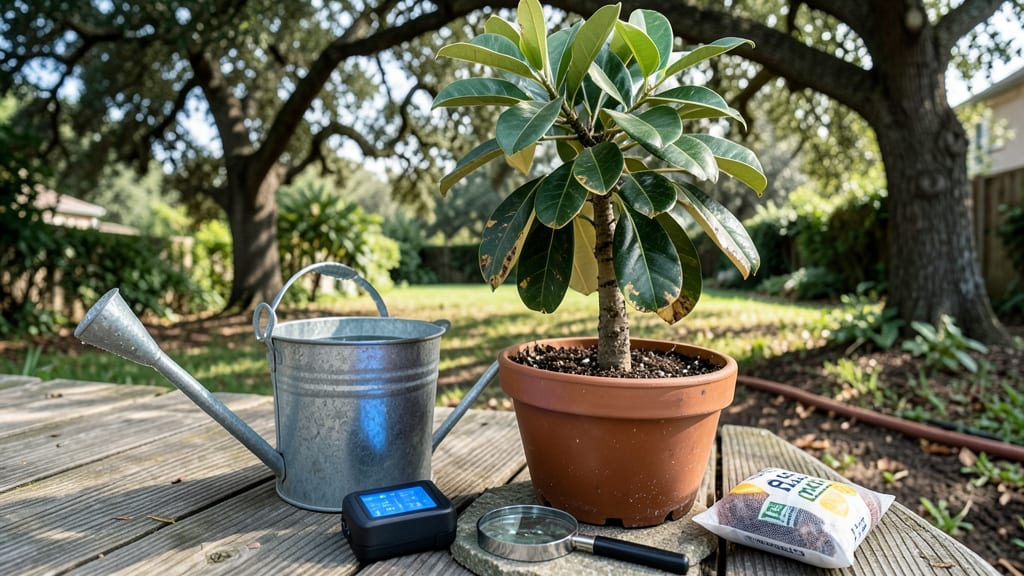
Your avocado tree’s yellow leaves could mean root rot—here’s how to fix it in 3 simple steps without losing the tree. 🌱 I’ve saved three avocado trees from this exact problem, and the solution starts with a quick soil check that takes less than 5 minutes.
The first sign of root rot is yellowing leaves that start at the bottom and creep upward, often paired with a foul smell when you lift the pot. Overwatering is the usual culprit, but nutrient deficiencies or fungal infections can mimic the symptoms.
Grab a small trowel and dig about 2 inches into the soil—if it’s soggy or smells like rotten eggs, you’ve found your problem.
By the end of these steps, your tree will show new green growth within 2-4 weeks, and the yellow leaves will drop naturally as healthy foliage takes over. The key is acting fast before the rot spreads to the roots.
This method works for potted avocados and in-ground trees alike—just adjust the watering schedule based on your climate. Let’s get that tree back to thriving!
Root Causes Behind Yellow Leaves
Yellowing leaves on your avocado tree can feel like a mystery, but the truth is often rooted in a few key issues. Understanding these causes is the first step to restoring your tree’s vibrant green health.
Let’s break down the science behind why your avocado tree’s leaves might be turning yellow—and what’s really going on beneath the soil.
Avocado trees (Persea americana) are native to regions with distinct wet and dry seasons, meaning they hate soggy roots. When soil stays too wet for too long, oxygen can’t reach the roots, leading to anaerobic conditions—a breeding ground for root rot and nutrient starvation.
- How it happens: Overwatering or compacted, waterlogged soil forces roots to suffocate.
Without oxygen, roots can’t absorb water or nutrients efficiently, causing leaves to yellow (a sign of chlorosis, or nutrient deficiency). - Key clue: Yellowing often starts on older leaves, and the soil may smell musty or feel damp even days after watering. - Actionable fix: Let the top 2–3 inches of soil dry out between waterings, and amend heavy clay soil with organic matter (like compost or perlite) to improve drainage.
Yellow leaves can signal a lack of essential nutrients, particularly nitrogen, magnesium, or iron. Avocado trees are heavy feeders, and poor soil quality often leads to deficiencies that manifest as yellowing.
- Nitrogen deficiency (🟡 older leaves first): - Why it happens: Nitrogen is crucial for chlorophyll production.
If your tree isn’t getting enough (common in sandy or depleted soils), leaves turn pale yellow or yellow-green, starting with the oldest ones. - Fix: Apply a balanced fertilizer (like 6-6-6 or 10-10-10) in early spring, or use organic options like alfalfa meal or composted manure.
- Magnesium deficiency (🟡 between leaf veins): - Why it happens: Magnesium is central to chlorophyll.
If soil pH is too high (alkaline) or magnesium levels are low, leaves develop interveinal yellowing (yellow patches between green veins). - Fix: Apply Epsom salt (magnesium sulfate) as a foliar spray or soil drench (1 tablespoon per gallon of water, monthly).
- Iron deficiency (🟡 young leaves, pale green/yellow): - Why it happens: Iron is immobile in plants, so new leaves show symptoms first.
Alkaline soils (pH >7.0) lock out iron, even if it’s present. - Fix: Use chelated iron (like iron sulfate) or lower soil pH with elemental sulfur or peat moss.
Root rot, often caused by fungal pathogens like Phytophthora or Pythium, thrives in waterlogged conditions. It attacks root tissues, disrupting water and nutrient uptake, which quickly leads to yellowing leaves, wilting, and—if untreated—tree death.
- How to spot it: - Leaves yellow rapidly, often with brown, mushy roots when inspected. - The tree may lean or appear stressed, even with consistent watering. - Foul-smelling soil or blackened, rotting roots are telltale signs. - Why it’s deadly: Fungal root rot spreads aggressively in moist, anaerobic soil.
Once established, it’s hard to reverse without drastic action. - Emergency fixes: - Stop watering immediately and let the soil dry out. - Prune all infected roots (sterilize tools with rubbing alcohol). - Repot the tree in fresh, well-draining soil (cactus/succulent mix works well) and add fungicide (like copper-based or neem oil treatments).
Avocado trees are sensitive to temperature extremes, salt buildup, and poor air circulation. These factors can weaken the tree, making it vulnerable to other issues like yellowing.
- Cold damage:
- Why it happens: Avocados are tropical and cannot tolerate frost (below 32°F/0°C). Cold snaps cause leaf scorch (brown/yellow edges) and stunt root function.
- Fix: Protect trees with burlap wraps or move potted trees indoors during winter. Mulch heavily to insulate roots.
- Salt buildup (from tap water or fertilizer): - Why it happens: Excess salts in soil (common in tap water or over-fertilized areas) burn roots, preventing water absorption.
Leaves turn yellow and crispy. - Fix: Flush the soil with distilled or rainwater to leach out salts. Use mulch to reduce evaporation and salt concentration.
- Poor airflow:
- Why it happens: Crowded planting or dense foliage traps moisture, encouraging fungal growth (like powdery mildew) and stress.
- Fix: Prune to improve airflow and space trees 15–20 feet apart in the ground or 3–4 feet apart in containers.
Pests like spider mites, scale insects, or avocado lace bugs feed on leaf sap, weakening the tree and causing yellowing. Their damage disrupts photosynthesis, leading to stippling, curling, or general yellowing.
- Common culprits: - Spider mites: Tiny yellow/red pests that create fine webbing on undersides of leaves.
Leaves turn yellow and dry out. - Scale insects: Hard, shell-like pests that suck sap, causing sticky residue ("honeydew") and sooty mold. - Avocado lace bugs: Leave silver speckling on leaves and cause yellowing patches. - How to treat: - Blast off pests with a strong water spray (disrupts their life cycle). - Use neem oil or insecticidal soap (apply in early morning/evening to avoid burning leaves). - Introduce beneficial insects like ladybugs or lacewing larvae for natural control.
If your avocado tree recently moved or suffered root pruning, it may struggle to recover, leading to temporary yellowing as it adjusts.
- Why it happens: Disturbed roots can’t absorb water/nutrients efficiently, causing stress-related chlorosis.
- Fix:
- Water deeply but infrequently to encourage root regrowth.
- Apply a root stimulator (like mycorrhizal fungi or seaweed extract) to speed recovery.
- Avoid fertilizing for 4–6 weeks post-transplant to reduce stress.
Fix Yellow Leaves Fast
Now that you’ve pinpointed the cause of your avocado tree’s yellow leaves—whether it’s root rot, nutrient deficiencies, pests, or environmental stress—it’s time to act! Here’s a step-by-step guide to revive your tree and keep those vibrant green leaves thriving.
If your avocado tree’s yellow leaves are due to root rot, act quickly before the damage spreads. Root rot is often caused by overwatering, poor drainage, or fungal infections, and it can be fatal if ignored.
🍳 Prune Damaged Roots (If Safe to Dig)
- Check the soil moisture – Stick your finger 2–3 inches into the soil. If it’s soggy, root rot is likely.
- Gently dig around the base (if possible) to inspect roots.
Healthy roots are firm and white; rotten roots are mushy, brown, or black. 3. Trim affected roots with sterilized pruning shears (use rubbing alcohol to clean blades between cuts). - ⚠️ Warning: Only do this if your tree is in a pot or the soil is loose enough.
For large trees, skip this step and focus on drainage and watering.
👨🍳 Improve Drainage Immediately
- Repot if needed – If your avocado is in a container, move it to a pot with drainage holes and fresh, well-draining soil (a mix of potting soil, perlite, and compost works well).
- Raise the pot – Place it on feet or a saucer to prevent water pooling at the bottom.
- Amend garden soil – If planted in the ground, mix in sand, gravel, or coconut coir to improve drainage.
⏰ Adjust Watering Habits
- Water only when the top 2 inches of soil are dry – Stick your finger in to check.
- Water deeply but less frequently – A slow, thorough soak (10–15 minutes) encourages roots to grow deeper.
- Avoid wetting the leaves – Use a soaker hose or drip irrigation to keep foliage dry, reducing fungal risks.
🌡️ Fungal Treatment (If Needed)
- Apply a fungicide – Use a copper-based or hydrogen peroxide spray (3% solution) to kill fungi.
- Add beneficial microbes – Sprinkle mycorrhizal fungi or compost tea around the roots to boost soil health.
Yellowing leaves can also signal nutrient imbalances. Avocado trees need nitrogen, potassium, magnesium, and iron to stay lush and green.
📊 Test Your Soil (Best First Step)
- Grab a soil test kit (available at garden centers) or send a sample to a local extension office for a full analysis.
- Quick fixes based on common deficiencies:
- Nitrogen (Pale yellow leaves, slow growth) → Use a balanced fertilizer (10-10-10) or fish emulsion.
- Potassium (Yellow edges, weak stems) → Apply potassium sulfate or banana peel tea.
- Magnesium (Yellow between veins) → Sprinkle Epsom salt (1 tbsp per gallon of water) around the base.
- Iron (Yellow leaves with green veins) → Use an iron chelate or liquid iron supplement.
🥗 Boost Soil Health Naturally
- Mulch properly – Spread 2–3 inches of organic mulch (wood chips, straw) to retain moisture and nutrients.
- Compost regularly – Mix in well-aged compost every 3–6 months to replenish nutrients.
- Avoid over-fertilizing – Too much fertilizer can burn roots and worsen yellowing.
If pests or environmental factors are to blame, targeted action will bring back that healthy green.
🐛 Pest Control (Scale, Spider Mites, Aphids)
- Neem oil spray – Mix 1 tsp neem oil + 1 tsp mild soap + 1 quart water.
Spray every 7–10 days until pests vanish. - Hose off soft-bodied pests – Use a strong stream of water to dislodge aphids and spider mites. - Introduce beneficial insects – Ladybugs and lacewings eat mites and aphids naturally.
🌿 Adjust Light & Temperature
- Move indoors or to shade if leaves are scorched (too much sun) or pale (too little light).
- Avoid cold drafts – Avocados thrive in USDA Zones 9–11; if in a cooler climate, bring potted trees inside in winter.
- Increase humidity – Place a pebble tray with water near the tree or use a humidifier if air is too dry.
Once your avocado tree is back on track, prevent future yellowing with these habits:
- 💡 Water wisely – Never let soil stay soggy; drainage is key.
- 🎯 Fertilize seasonally – Use a balanced fertilizer in spring and summer, but stop in fall/winter.
- 🌡️ Monitor pests weekly – Check undersides of leaves for tiny webs, sticky residue, or crawling bugs.
- 🔥 Prune properly – Remove yellow or damaged leaves to redirect energy to healthy growth.
- 🌱 Repot every 2–3 years – If in a container, refresh soil to prevent nutrient depletion.
Your avocado tree’s yellow leaves don’t have to be a permanent problem! With the right care, it’ll bounce back stronger—and you’ll be rewarded with shiny, green foliage and delicious fruit in no time. 🥑💚
Frequently asked questions
Why do my avocado tree's bottom leaves turn yellow first?
This is completely normal! Avocado trees follow a process called senescence, where older leaves at the bottom naturally yellow and drop as the tree redirects nutrients to new growth. If only the bottom leaves are yellowing and the rest stay green, it’s likely just part of the tree’s growth cycle—not a sign of disease.
Can I save my avocado tree if half the leaves are yellow?
Yes, but act fast! If the yellowing is due to overwatering or root rot, stop watering immediately and check for soggy soil. For nutrient deficiencies, apply a balanced fertilizer or Epsom salt (for magnesium). If pests are the issue, treat with neem oil. With proper care, your tree can recover within 4-6 weeks.
How often should I fertilize an avocado tree with yellow leaves?
Start with a soil test to identify deficiencies. For general care, fertilize every 2-3 months in spring/summer with a balanced 10-10-10 fertilizer. If you suspect nitrogen deficiency (pale yellow leaves), use a fish emulsion instead. Avoid fertilizing in fall/winter when growth slows.
What's the difference between yellow leaves from overwatering vs. underwatering?
Overwatering causes soggy soil, foul smells, and yellow leaves with brown spots—often starting at the bottom. Underwatering leads to crispy, dry yellow edges and may cause leaves to curl. Check soil moisture: if it’s damp after watering, you’re overdoing it; if dry, increase watering gradually.
Will pruning yellow leaves help my avocado tree?
Yes! Pruning removes stressed leaves, allowing the tree to focus energy on healthy growth. Use sterilized shears to cut 1/3 of the yellow leaves, avoiding more than 25% of the foliage at once. Prune in morning sunlight to prevent fungal infections from wet tools or leaves.