
Pruning
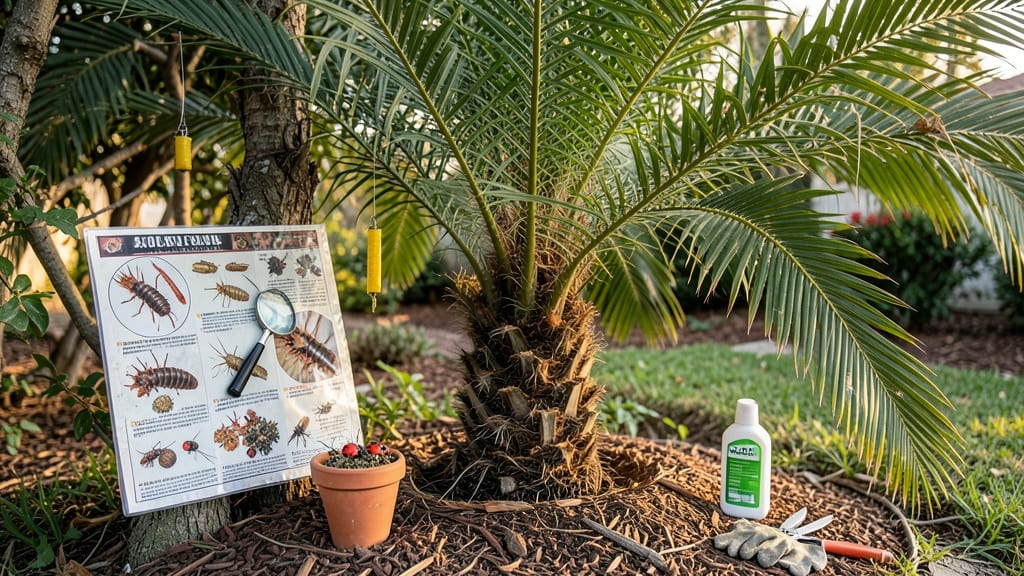
Your palm tree’s fronds are drooping, and you’re staring at what looks like a crime scene—sap oozing, larvae crawling, or sticky webs everywhere. 🌿 Palm tree pests don’t just ruin the look; they can kill your tree if you don’t act fast.
The good news? Most infestations have simple fixes once you know what you’re dealing with. Start by identifying the culprit: palm weevils leave oozing wounds near the trunk, while spider mites create fine webbing and yellowing fronds. Mealybugs, on the other hand, hide in clusters like cottony blobs under leaves.
Each pest needs a different approach—some respond to organic sprays, others to targeted insecticides or even pruning out the worst damage. Once you’ve got the right treatment, you’ll see improvement within 2-4 weeks, with fronds perking up and new growth emerging.
The key is catching it early—before the pests move deeper into the tree’s core. Prevention is easier than cleanup, and a few simple habits (like regular inspections and keeping the base clear of debris) can save your tree for years.
This works for outdoor palms in warm climates, whether you’ve got one in your yard or a small collection. Let’s get your tree back to thriving—without the pests.
Root Causes of Palm Tree Attacks
Palm trees, with their lush fronds and tropical charm, are a magnet for pests—but why do these invaders target them in the first place? The answer lies in a mix of environmental factors, tree health, and pest behavior.
Understanding these root causes is key to preventing infestations before they spiral out of control. Let’s break down the science behind why pests like palm tree pests—such as palm weevils, mealybugs, and scale insects—choose your palms as their next meal.
Healthy palms naturally resist pests, but when their defenses falter, they become easy prey. Here’s how it happens:
- Nutrient Deficiencies:
Palms deprived of essential nutrients—like nitrogen, potassium, or magnesium—produce weaker fronds and trunks. Pests like Rhynchophorus ferrugineus (red palm weevil) detect these vulnerabilities and lay eggs in stressed tissue. Signs: Yellowing fronds, stunted growth, or soft, mushy trunks.
- Water Stress:
Overwatering or drought weakens a palm’s structural integrity. Excess moisture creates ideal breeding grounds for fungi and pests, while drought-stressed trees can’t produce enough sap to deter feeders. Example: Mealybugs thrive in damp, crowded fronds where natural predators (like ladybugs) can’t survive.
- Physical Damage:
Wounds from storms, improper pruning, or hail expose the palm’s vascular system, inviting pests to exploit the entry points. Pro Tip: Always sanitize pruning tools with 70% isopropyl alcohol to prevent bacterial or fungal hitchhikers that attract pests.
Pests don’t invade randomly—they’re drawn by specific conditions that make your palm an all-you-can-eat buffet. Here’s what turns your yard into a pest paradise:
| Factor | How It Attracts Pests | Pests Most Affected |
|---|---|---|
| 🌞 High Heat + Dry Soil | Drought-stressed palms produce less sap, making them easier targets for sap-sucking insects. | Scale insects, spider mites |
| 💦 Humidity + Poor Drainage | Stagnant water and fungal growth create breeding grounds for weevils and beetles. | Red palm weevil, palm borers |
| 🌿 Overcrowded Plantings | Limited airflow and shade encourage fungal growth, which pests like mealybugs feed on. | Mealybugs, whiteflies |
| 🍂 Fallen Debris | Old fronds and mulch provide shelter for pests to overwinter or hide from predators. | Palm aphids, bark beetles |
Actionable Fix: Improve drainage with gravel or sand amendments, and remove fallen fronds within 48 hours to disrupt pest life cycles.
Some pests are opportunists, while others are highly strategic. Understanding their behavior helps you stay one step ahead:
- Targeted Attacks by Weevils:
Red palm weevils use pheromone trails to locate stressed palms. Females lay eggs in the crown shaft, and larvae burrow into the heart, cutting off nutrient flow. Key Trigger: Ethanol emissions from rotting tissue attract more weevils.
- Colonization by Mealybugs:
These pests thrive in symbiotic relationships with sooty mold fungi. They secrete honeydew, which fungi feed on—creating a sticky, black layer that blocks sunlight and further stresses the tree. Spread Rate: Up to 100 bugs per frond in ideal conditions!
- Seasonal Swarms:
Many pests, like Hypothenemus hampei (palm weevil borer), time their attacks with new growth periods (spring/summer). Prevention: Apply systemic insecticides preemptively in early spring.
💡 Pro Tip: Install pheromone traps for weevils in late summer—this disrupts mating and reduces egg-laying by up to 80%.
By addressing these root causes—whether through proactive care, environmental adjustments, or behavioral disruption—you can turn your palm trees into pest-resistant fortresses. Next, we’ll dive into targeted solutions for the most common culprits.
Quick Fixes for Common Palm Tree Invaders
Palm trees are stunning tropical icons, but pests can turn their fronds into a battleground. The good news? Most issues have straightforward solutions—whether you’re dealing with hungry beetles, fungal threats, or sap-sucking insects.
Below, we break down targeted fixes for the most common culprits, plus prevention tips to keep your palms thriving. Let’s get your trees back to their majestic best!
Signs: Ragged holes in fronds, sawdust-like frass (feces), or adult beetles crawling on trunks at night.
How to Treat It 🔥 🚨 Emergency Pruning – Remove heavily damaged fronds immediately to stop the spread.
Use sterilized pruners (soak in 70% isopropyl alcohol) to avoid cross-contamination. 👨🍳 🌡️ Soil Treatment – Apply neem oil (1 tsp per gallon of water) or beneficial nematodes (Heterorhabditis bacteriophora) to the root zone.
These kill larvae without harming the tree. 🔪 🌿 Physical Barriers – Wrap the trunk with sticky traps (like Tanglefoot) or burlap bands to catch adult beetles before they lay eggs.
Prevention Tips ✨ 🌡️ Keep Soil Healthy – Rhino beetles love stressed trees.
Water deeply 2–3 times per week (adjust for climate) and fertilize with slow-release palm fertilizer (high in potassium). 💡 🌱 Mulch Matters – Use 3–4 inches of wood chips around the base to deter beetles and retain moisture.
Signs: Dark, water-soaked spots on fronds, oozing lesions, or mushrooms growing at the base.
How to Treat It 🍳 🌿 Prune & Dispose – Cut off infected fronds 6 inches below the damage and sterilize tools between cuts.
Bag and trash (don’t compost!) infected material. 🔥 💦 Fungicide Spray – Use copper fungicide (like Copper Sulfate) or potassium bicarbonate (1 tbsp per gallon of water) every 7–10 days until new growth appears. ⏰ 🌧️ Improve Drainage – If your tree is in soggy soil, amend with sand or perlite and consider raising the planting bed slightly.
Prevention Tips
🎯 🌡️ Avoid Overwatering – Water only when the top 2 inches of soil are dry. Use a moisture meter to check. 💡 🌿 Space Trees Properly – Poor airflow spreads fungal spores. Keep palms at least 10 feet apart for good circulation.
Signs: Sticky residue ("honeydew") on fronds, white cottony masses, or yellowing leaves.
How to Treat It
🔪 🌿 Blast Them Off – Use a strong spray of water (from a hose) to dislodge insects before treating. 🍳 🌡️ Soap Spray – Mix 1 tsp mild liquid soap + 1 tsp neem oil per quart of water.
Spray every 5–7 days until gone. 🔥 🐝 Introduce Predators – Ladybugs and parasitic wasps (like Aphytis melinus) eat scale naturally. Buy them from garden centers!
Prevention Tips
✨ 🌱 Inspect New Plants – Quarantine newly purchased palms for 2 weeks before planting. 💡 🌿 Keep Trees Clean – Wipe fronds with a damp cloth monthly to remove honeydew and deter pests.
Signs: Wilting fronds, oozing sap, or adult weevils (1–2 inches long) near the base.
How to Treat It
🚨 🔪 Act Fast – If you see weevils, prune the tree down to the crown (yes, it’s drastic but saves the root system). 🍳 🌡️ Systemic Insecticide – Inject imidacloprid (like Merit 0.8G) into the trunk via a pressure injector (professional job—don’t DIY unless experienced). 🔥 🌿 Remove Debris – Weevils hide in mulch and dead fronds.
Clear a 3-foot radius around the base.
Prevention Tips
🎯 🌡️ Monitor Young Trees – Weevils target weak or newly planted palms. Water deeply after planting to reduce stress. 💡 🌿 Use Reflective Mulch – Silver or aluminum mulch confuses weevils (they avoid shiny surfaces).
To prevent future pest problems, follow this monthly maintenance routine:
- Inspect fronds for holes, spots, or insects (🔍 early detection = easier fixes).
- Prune dead fronds (never let them pile up—pests love hiding there).
- Fertilize seasonally (spring & fall with balanced palm fertilizer).
- Check irrigation – Overwatering = fungal paradise; underwatering = stressed trees = pest magnets.
Final Thought: Most palm pest problems are manageable with quick action. The key? Stay vigilant, act fast, and keep your tree healthy—nature’s best defense! 🌴💪
Frequently asked questions
What’s the first sign that my palm tree has pests?
Look for yellowing fronds, sticky residue (like honeydew), or small holes in leaves—these are red flags. For weevils, check the trunk base for oozing sap or sawdust-like frass. Spider mites leave fine webbing on undersides of fronds, while mealybugs appear as cottony white clusters.
Can I use household items to treat palm pests?
Yes! Mix 1 tsp mild dish soap + 1 tsp neem oil per quart of water for a safe spray against mealybugs and scale. For fungal issues, hydrogen peroxide (3%) (1 part to 3 parts water) works as a natural fungicide. Always test sprays on a small area first to avoid leaf damage.
How often should I inspect my palm tree for pests?
Check your palm every 2–4 weeks, especially after rain or extreme heat. Focus on new growth, undersides of fronds, and the trunk base. Early detection makes treatments easier—waiting until pests spread can mean losing the tree.
Are some palm species more resistant to pests?
Yes! Mediterranean fan palms and windmill palms are tougher than delicate species like coconut palms. Native palms (e.g., sabal palms) often have natural resistance. When choosing a palm, pick one suited to your climate—local nurseries can recommend pest-resistant varieties.
What’s the worst-case scenario if I ignore palm pests?
Untreated infestations can kill your tree in 3–6 months. Weevils destroy the trunk from the inside, while fungal infections rot the heart. Once pests reach the crown shaft, recovery is nearly impossible. Act fast—prevention (like regular pruning and healthy soil) is always easier than cleanup!