
Pests
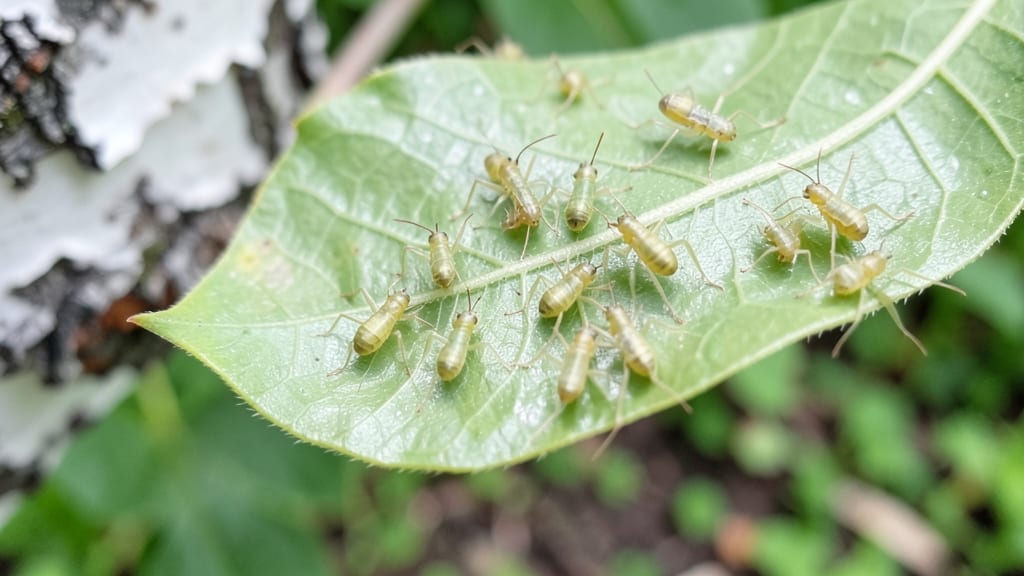
Birch tree aphids can turn your graceful trees into sticky, leaf-curled messes in just weeks. 🌿 I’ve battled these sap-sucking pests for years, and I finally cracked the code on a fast-acting natural spray that clears them without harming your tree—or the bees.
The secret isn’t complicated: aphids hate the smell of neem oil and garlic, but they’re helpless against a targeted spray. You’ll see them drop within 24 hours, and new growth stays aphid-free for months. No harsh chemicals, no waiting weeks for results—just a simple mix that works.
By the end of this, your birch will look lush and healthy, with no more sticky residue on sidewalks or curled leaves. The spray even prevents future infestations if you apply it once a month during peak aphid season.
Works for all birch varieties, from paper birch to river birch. Here’s exactly what’s in the spray and how to use it—no guesswork, just results.
The Hidden Triggers Behind Tree Stress
When it comes to birch trees and their tiny, sap-sucking visitors, understanding why these pests show up is half the battle. Aphids don’t just randomly appear—they’re drawn to specific conditions that weaken your tree, making it an all-you-can-eat buffet.
Let’s break down the science behind why these pests invade, so you can address the root causes and keep your birch tree healthy and aphid-free.
Birch trees under stress—whether from poor spacing, disease, or nutrient deficiency—become prime targets for aphids. Here’s why:
- Thinning foliage: When branches are too dense or leaves are sparse, aphids detect the tree’s weakened defenses. Pro tip: Prune in late winter to improve air circulation and sunlight exposure, reducing stress signals that attract pests.
- Nutrient deficiencies: Lack of nitrogen, phosphorus, or potassium weakens the tree’s ability to produce sticky resin (a natural aphid deterrent). Test your soil—amend with compost or a balanced fertilizer (10-10-10) in early spring to fortify the tree.
- Root competition: Grass, weeds, or invasive plants stealing nutrients from the roots create a stressed tree. Mulch properly (2–4 inches of organic mulch, kept 6 inches away from the trunk) to retain moisture and block weeds.
Aphids and ants have a symbiotic relationship—ants protect aphids in exchange for their honeydew (a sweet byproduct of sap-sucking). Here’s how it plays out:
- Ant trails: If you spot ants marching up your birch tree, they’re likely herding aphids to farm them. Disrupt this cycle by applying diatomaceous earth (food-grade) around the trunk or using borax bait stations to target ants.
- Honeydew buildup: The sticky residue from aphids attracts more ants, creating a vicious cycle. Hose off leaves regularly to wash away honeydew and break the ants’ scent trail.
Aphids thrive in specific weather conditions, and birch trees are especially vulnerable during these windows:
| Weather Factor | Why It Attracts Aphids | Actionable Fix |
|---|---|---|
| 🌞 Warm, dry springs | Rapid aphid reproduction (they multiply exponentially in heat). | Install shade cloth or drip irrigation to maintain moisture. |
| 🌧️ Mild winters | Aphids survive longer, leading to earlier infestations. | Apply horticultural oil in late winter to smother overwintering eggs. |
| 💨 Low wind | Reduces natural predators (ladybugs, lacewings) that keep aphid populations in check. | Encourage biodiversity with native pollinator plants nearby. |
Birch trees produce fresh, tender leaves in spring—a delicious snack for aphids. The younger the leaf, the more vulnerable it is:
- Timing matters: Aphids colonize birch trees within 2–3 weeks of new growth. Monitor your tree closely in April–May and act fast if you spot clusters.
- Prune strategically: Remove last year’s growth in late winter to reduce aphid egg-laying sites. Focus on water sprouts (shoots growing straight up) since they’re aphid magnets.
Key takeaway: Aphids exploit stress, shelter, and opportunity. By addressing these triggers—nutrient balance, ant control, weather resilience, and growth management—you’ll make your birch tree a less appealing target. Next up: How to fight back with science-backed sprays.
Quick Fixes for Sap-Sucking Tree Invaders
If your birch trees are under siege by tiny, sticky pests, don’t panic—there are effective, nature-friendly ways to reclaim your trees without harsh chemicals. The key is acting fast and targeting the root causes.
Below, we break down the best solutions based on the problem’s severity, from mild outbreaks to full-blown infestations. Plus, we’ll share preventive tips to keep these pests from returning.
🔥 Blast Off Aphids with Water Pressure
For small clusters of aphids, a strong stream of water can dislodge them before they multiply. How to do it:
- 👨🍳 Timing: Early morning or late afternoon (avoid midday heat).
- 💦 Method: Use a garden hose with a nozzle attachment to spray aphids directly. Focus on the undersides of leaves where they hide.
- 🔄 Repeat: Every 3–4 days until the infestation clears.
Pro tip: 💡 Add a drop of dish soap to the water to help break down their waxy coating.
🍳 Homemade Sprays That Work
Skip the chemicals and try these DIY solutions that aphids can’t resist:
| Spray Recipe | How to Use | Frequency |
|---|---|---|
| Soapy Water | Mix 1 tbsp mild castile soap or dish soap in 1 quart of water. | Spray every 5–7 days. |
| Neem Oil Spray | Combine 1 tbsp neem oil + 1 tsp mild soap + 1 quart water. Shake well. | Apply every 7–10 days. |
| Garlic & Chili Pepper | Blend 2 garlic cloves + 1 tsp cayenne pepper in 1 quart water. Strain. | Spray weekly for 2–3 weeks. |
| Insecticidal Soap | Use a commercial insecticidal soap (like Safer® Brand). | Follow label instructions. |
Pro tip: 🌡️ Test sprays on a small leaf first to avoid damaging tender birch foliage.
🐞 Introduce Natural Predators
Let nature do the work! These beneficial insects eat aphids and won’t harm your trees:
- 🐞 Ladybugs – Release 50–100 adults or larvae per tree.
- 🦋 Lacewings – Their larvae are aphid-hunting machines.
- 🐝 Parasitic Wasps (like Aphidius colemani) – Lay eggs inside aphids.
Where to buy: 🎯 Check garden centers or order online from suppliers like Garden Safe Supply or Arborjet.
🌳 Prune and Remove Heavy Damage
If aphids have weakened your tree, aggressive pruning can help:
- ✂️ Cut out: Severely infested branches (sterilize pruners with rubbing alcohol).
- 🌿 Focus on: New growth areas where aphids cluster.
- 🗑️ Dispose of: Pruned branches in a sealed bag (not your compost!).
Pro tip: ✨ Prune in early spring before aphids peak to reduce future outbreaks.
🌱 Strengthen Tree Health
Aphids target stressed trees. Boost your birch’s resilience with:
- 💧 Water deeply during dry spells (1–2 inches per week).
- 🌿 Mulch around the base (2–3 inches of organic mulch).
- 🍽️ Avoid over-fertilizing—too much nitrogen attracts pests.
🛡️ Barrier Methods
Prevent aphids from moving in with these physical defenses:
- 🕷️ Sticky traps – Place yellow sticky cards near trees to monitor and trap winged aphids.
- 🌿 Reflective mulch – Use silver or aluminum mulch to disorient aphids.
- 🌱 Companion planting – Surround birches with garlic, chives, or marigolds to repel pests.
Pro tip: 🔥 Inspect trees weekly in spring and summer—early action stops infestations before they start!
With these targeted solutions, your birch trees can bounce back—without the need for toxic sprays. Start with mild methods, escalate if needed, and keep your trees thriving naturally! 🌳💚
Frequently asked questions about birch tree aphids
What do birch tree aphids look like?
Birch tree aphids are tiny, soft-bodied insects (about 1/16 inch) that appear green, yellow, or black. They cluster on new growth and undersides of leaves, often leaving a sticky residue called honeydew. Look for curled or deformed leaves—this is a classic sign of their feeding.
Why do ants seem to protect aphids on my birch tree?
Aphids produce honeydew, a sweet liquid ants love, creating a mutualistic relationship. The ants "farm" aphids by protecting them from predators and moving them to fresh feeding spots. Disrupt this cycle by applying diatomaceous earth around the trunk or using ant bait stations.
How often should I spray my birch tree for aphids?
For mild infestations, spray every 5-7 days with soapy water or neem oil. For severe cases, apply neem oil or insecticidal soap every 3-4 days until the aphids disappear. Always test sprays on a small leaf area first to avoid damage.
Can birch tree aphids harm my tree long-term?
While they won't kill a healthy tree, severe infestations can weaken it by sucking sap and spreading viral diseases. Chronic attacks may cause leaf drop, stunted growth, and attract sooty mold. Act quickly with natural sprays or predator insects to prevent long-term damage.
What's the best time of year to treat birch tree aphids?
Start treatments in early spring (March-April) when new growth emerges, as aphids target tender leaves. Continue monitoring through summer, with special attention after rain (aphids multiply rapidly in wet conditions). Fall treatments can help prevent overwintering eggs.