
Pruning
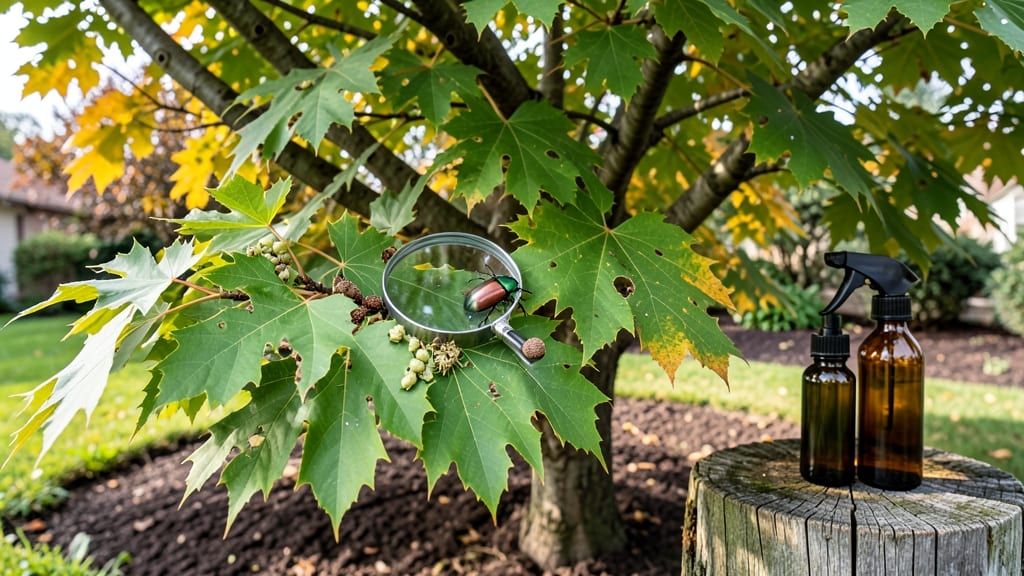
When maple tree pests like aphids or scale insects turn your leaves sticky and yellow, organic sprays are your fastest defense without harsh chemicals. 🌿 I’ve battled these infestations in my own shade trees, and the right mix of neem oil, insecticidal soap, and horticultural oil can stop them in their tracks—often within 2-3 applications.
The key is timing: treat pests early in the season (late spring) before they multiply, and focus on undersides of leaves where they hide. A 3% horticultural oil spray smothers soft-bodied insects like aphids, while neem oil disrupts their life cycle.
For stubborn borers, a soapy water flush (1 tsp dish soap per gallon) can dislodge them before they drill into the bark. By mid-summer, your tree will look refreshed—no more sticky residue or wilting leaves. The best part?
These sprays are safe for pets and pollinators once dry, so you’re protecting your tree and the ecosystem. Let’s tackle that infestation before it spreads.
Most pests hit when trees are stressed—drought, poor soil, or compacted roots make them vulnerable. I once ignored my maple’s thirst until aphids moved in; now I water deeply once a week in dry spells and mulch heavily to retain moisture.
Healthy trees fight off pests better, and a balanced fertilizer in early spring gives them the boost they need. For borers, the damage is often already done by the time you see it—look for sawdust-like frass at the base of the trunk or oozing sap.
If you catch it early, pruning out infested branches (sterilize tools with rubbing alcohol!) can save the tree. For scale insects, a scrubbing with a stiff brush before spraying removes their protective shells, making treatments more effective.
Prevention is your best tool: inspect your tree monthly from spring to fall, and act fast at the first sign of trouble. A preventive spray in early spring (before buds swell) can head off infestations entirely.
And if you’re dealing with a severe case, repeat treatments every 7-10 days until the pests are gone—patience is key here.
Root Causes Of Maple Tree Infestations
Maple trees are resilient, but pests thrive when certain conditions align—often due to human activity, environmental shifts, or the tree’s weakened state. Understanding these triggers helps you act before damage spreads. Below are the key reasons pests target your maples, backed by science and actionable insights.
A healthy maple tree repels pests with its natural defenses: thick bark, sticky sap, and chemical signals that deter invaders. But when these barriers fail, pests move in. Why does this happen?
- Nutrient Deficiencies: Maple trees deprived of essential nutrients (like nitrogen, potassium, or magnesium) produce thinner bark and less sap.
A quick soil test can reveal imbalances—look for yellowing leaves or stunted growth as red flags. - Water Stress: Overwatering or drought weakens roots, making trees vulnerable. Pro Tip: 💡 Check soil moisture 2–3 inches deep; it should feel like a damp sponge, not mud or bone-dry sand. - Physical Damage: Cracks from storms, improper pruning, or lawn equipment create entry points for bark beetles, borers, and fungi.
Always sanitize pruning tools with 70% isopropyl alcohol to prevent pathogen spread.
Maples planted too close together or in shaded areas struggle to compete for sunlight and resources. Pests exploit this chaos by targeting stressed trees first. Here’s how:
- Competition for Sunlight: Shady conditions slow sap flow, making trees less sticky and easier for pests like maple leafcutter bees or aphids to colonize.
Solution: Thin out nearby trees or prune branches to open the canopy. - Moisture Traps: Dense foliage retains humidity, creating ideal conditions for fungal pests (e.g., tar spot fungus) and scale insects. Improve airflow with proper spacing (at least 30–50 feet between mature maples) and avoid overhead watering.
Pests are opportunistic—warmer winters and longer growing seasons expand their range. Maple trees in transition zones (like the Midwest or Northeast) face higher risks due to:
- Milder Winters: Traditional cold snaps kill pest eggs, but unseasonably warm winters (like the 2022–2023 season) let maple borers and spider mites survive and multiply.
Monitor your tree’s health in late winter for early signs of infestation. - Early Springs: Buds opening too soon attract aphids and Japanese beetles, which feed on tender new growth. Action Step: Apply a neem oil spray (1 tsp per quart of water) at the first sign of bud swell to deter early pests.
Even well-intentioned gardening practices can invite pests. Common culprits include:
- Firewood or Mulch: Stacking untreated firewood near maples can introduce emerald ash borers (a maple-affecting pest in some regions) or fungal spores. Keep firewood at least 30 feet away and store it off the ground. - Over-Fertilizing: Excess nitrogen promotes soft, fast-growing tissue that pests love.
Use slow-release, organic fertilizers (like compost or fish emulsion) and test soil annually. - Ignoring Debris: Fallen leaves, sawdust, or old stumps harbor borer larvae and ant colonies (which "farm" aphids). Quick Fix: 🔥 Rake up debris in fall and spring and chip stumps to remove hiding spots.
Ironically, chemical overuse can backfire by creating pest-resistant superbugs. How?
- Targeted Pests Evolve: Repeated applications of broad-spectrum pesticides (like malathion) kill off natural predators (e.g., ladybugs, lacewings), leaving aphids and mites to thrive unchecked.
- Secondary Infestations: Harsh chemicals strip away beneficial microbes in the soil, making trees more susceptible to root-feeding grubs or armillaria fungus. Better Approach: Rotate organic sprays (neem, horticultural oil, pyrethrin) and introduce beneficial nematodes to restore balance.
Not all maples are equally tempting to pests. Sugar maples (common in landscapes) are prime targets for: - Maple Leafcutter Bees: They chew perfect circles in leaves to line their nests—harmless but unsightly.
Solution: Install bee houses away from your maple to redirect them. - Scale Insects: These sap-suckers cluster on silver maples (especially in urban areas with high pollution). Early Sign: Sticky "honeydew" on leaves—wipe with a soapy water spray (1 tbsp mild soap per gallon of water).
Actionable Tip: 🎯 Plant pest-resistant varieties like Acer rubrum (red maple) or Acer saccharinum (silver maple) in high-risk zones, but always monitor for local pest trends.
Quick Fixes for Maple Tree Troubles
When pests invade your maple trees, acting fast is key to preventing long-term damage. Below are practical, step-by-step solutions tailored to common invaders—from sap-sucking insects to boring larvae—along with prevention tips to keep your trees thriving.
These tiny pests cluster on leaves and branches, draining sap and leaving sticky residue (honeydew). Act now to stop their spread.
🍳 Spray with Organic Insecticidal Soap
How to do it:
- Mix 1–2 tablespoons of mild castile soap or neem oil soap in 1 quart of water.
- Shake well and spray directly on infested areas (undersides of leaves, bark crevices).
- Reapply every 5–7 days until pests vanish.
Pro Tip: 💡 Test the spray on a small leaf first—some maples are sensitive to soap!
👨🍳 Introduce Beneficial Insects
Ladybugs and lacewings devour aphids—order them online or attract them with:
- Dill, fennel, or marigolds planted nearby.
- A shallow dish of water with a rock for ladybugs to drink.
🌡️ Prevent Future Infestations
- Prune heavily infested branches in late winter (when pests are dormant).
- Encourage strong growth with balanced fertilizer (high nitrogen can attract aphids—use organic options like compost tea).
These metallic-green beetles chomp on foliage, leaving a lace-like pattern. Catch them early before they multiply.
⏰ Handpick & Drown Them
Best time: Early morning (beetles are sluggish).
- Shake branches over a bucket of soapy water.
- Drop beetles in—they’ll drown instantly.
Pro Tip: ✨ Disposable gloves make this less gross (and more effective).
🔪 Use Kaolin Clay Barrier
Mix 1 cup kaolin clay (like Surround WP) in a gallon of water and spray on leaves. The sticky film repels beetles without harming your tree.
🎯 Trap & Remove Eggs
Japanese beetles lay eggs in grassy areas—mow lawns short in late summer to expose eggs to predators (birds, frogs).
These green caterpillars chew through leaves overnight. Nighttime raids are your best defense.
🌙 Shake Them into a Bucket
- Wait until dusk (when they’re most active).
- Gently shake branches over a tall bucket with soapy water.
- Dispose of the bucket (don’t compost—eggs may survive).
🍎 Apply Bt (Bacillus thuringiensis)
This organic bacteria kills caterpillars when ingested.
- Mix according to package instructions.
- Spray in the evening (avoids harming bees).
Pro Tip: 🔥 Reapply after rain—Bt washes off quickly.
Maple borers tunnel into bark, weakening trees. Stop them at the door with these steps.
🔪 Seal Entry Points with Pruning Paint
- Find holes (tiny exit holes or sawdust-like frass).
- Clean the area with a brush.
- Apply pruning paint (or a mix of beeswax + turpentine) to seal cracks.
🌡️ Strengthen Tree Health
Healthy trees resist borers—keep yours strong with:
- Deep watering (1 inch per week).
- Mulch ring (3–4 inches of wood chips, not touching the trunk).
- Avoid over-fertilizing (borers love stressed trees).
🎯 Use Pheromone Traps (Early Season)
Hang Japanese beetle or maple borer traps in May–June to catch males before mating.
Final Reminder: 🌿 Monitor regularly—early action saves your maple! For severe cases, consult a certified arborist to assess structural damage.
Frequently asked questions
What are the most common signs of maple tree pests?
Look for sticky residue (honeydew) on leaves, chewed edges, or tiny holes in bark. Aphids leave curled leaves, while borers create sawdust-like frass near the trunk. Japanese beetles create lace-like damage, and scale insects appear as bumps on branches.
How often should I inspect my maple tree for pests?
Check your tree monthly during growing seasons (spring through fall). Early detection is key—spot aphids or mites when they first appear to prevent outbreaks. Focus on leaf undersides and bark crevices, where pests hide.
Are there organic sprays that work better than chemical ones?
Yes! Neem oil disrupts pest life cycles, while horticultural oil smothers soft-bodied insects like aphids. For borers, a soapy water flush (1 tsp dish soap per gallon) works well. Always test sprays on a small area first to avoid leaf damage.
Can maple leafcutter bees harm my tree?
No, they’re harmless—they only chew perfect circles in leaves to line their nests. To deter them, install bee houses away from your maple or plant dill nearby to redirect their nesting habits.
What should I do if my maple tree already has borer damage?
Seal entry holes with pruning paint and focus on tree health: water deeply weekly, mulch properly, and avoid over-fertilizing. For severe cases, consult an arborist—they can assess structural damage and recommend treatments like systemic insecticides if needed.