
Pruning
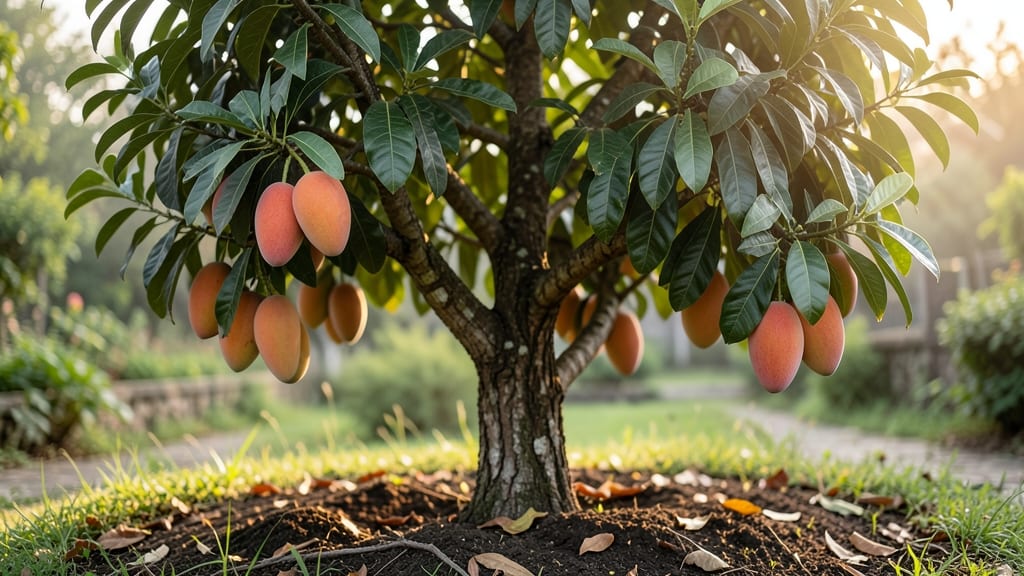
A mango tree with ripe fruits transforms your garden into a tropical paradise 🌴, where every branch becomes a natural centerpiece.
There’s nothing quite like the moment you spot that first deep orange blush on your mango tree—signaling the peak of ripeness and the sweetest reward for your gardening efforts.
In tropical and subtropical landscapes, a fruit-laden mango tree isn’t just a plant; it’s a statement piece that draws eyes, invites gatherings, and adds year-round interest with its glossy leaves and vibrant fruit.
Whether you’re designing a lush backyard oasis or a small urban patio, I’ll show you how to time your harvest for maximum flavor and how to style your mango tree so it becomes the star of your outdoor space.


How to identify perfectly ripe mango fruits on the tree
Spotting the perfectly ripe mango on your tree requires more than just looking for color—it’s about combining visual cues, tactile tests, and even scent. I’ve learned that mangoes ripen differently based on variety and climate, so what works in Florida might vary slightly in California’s coastal regions.
The key is paying attention to subtle changes that signal peak flavor and texture.
Start by examining the fruit’s color, which is your first major clue. Most mango varieties transition from solid green to vibrant hues like yellow, orange, or red, depending on the type.
For example, Haden mangoes develop a deep red blush, while Kent mangoes turn golden yellow. However, don’t rely solely on color—some varieties, like green-skinned mangoes, stay green even when ripe.
Regional variations play a huge role in ripening signals. In hotter climates, like South Florida or Hawaii, mangoes may ripen faster and develop more intense colors. Meanwhile, in cooler subtropical zones, like parts of California, the color change might be more gradual. I’ve noticed that shade-grown mangoes often take longer to ripen and may not develop as vibrant colors as those basking in full sun.
Beyond color, the stem’s reaction is one of the most reliable ripeness indicators. When you gently twist the mango at its stem, a ripe fruit will detach easily with just a slight tug. This happens because the fruit’s connection to the tree weakens as it matures.
If the stem resists or snaps off cleanly without the fruit moving, it’s likely not yet ripe. I’ve found that younger trees or those in windy conditions may require a firmer twist, so adjust your technique accordingly.
Don’t overlook the scent test, which is often underestimated but incredibly accurate. A ripe mango releases a sweet, tropical aroma near the stem—almost like a mix of peach and citrus. If you don’t smell anything, the fruit needs more time.
Pro tip: Morning is the best time to check for scent, as cooler temperatures enhance the fragrance. In humid climates, like the Florida Everglades, this scent can be even more pronounced due to the increased air moisture.
The firmness test is where many gardeners go wrong—they think a soft mango is ripe, but it’s actually overripe. Instead, press gently near the stem; a ripe mango should yield slightly, like pressing your thumbnail into a ripe avocado.
If it feels rock-hard or mushy, it’s not ready. I’ve seen dwarf varieties ripen with slightly firmer flesh, so always compare to other fruits on the same tree for consistency.
Regional climate affects ripening speed dramatically. In arid zones, like parts of Arizona, mangoes may ripen faster due to intense sunlight and heat, while in cooler coastal areas, like parts of Australia’s Gold Coast, the process slows down. I’ve had to adjust my harvesting schedule based on these factors—sometimes picking a few days earlier in hotter months to prevent overripening on the tree.
For green-skinned varieties, like the Keitt mango, color isn’t a reliable indicator. Instead, focus on the stem response and aroma, as these varieties often stay green even when fully ripe.
I’ve also noticed that shade-grown mangoes in tropical regions may take 2-3 weeks longer to ripen compared to those in full sun. If you’re growing mangoes in a container or urban garden, they might ripen more slowly due to limited sunlight exposure.
One common mistake I’ve seen is waiting until the fruit is too soft before picking. Overripe mangoes on the tree can attract pests and fall prematurely, wasting your
Step-by-step guide to harvesting mangoes without damaging the tree
Harvesting mangoes at the perfect ripeness ensures the best flavor, but the way you pick can make or break your tree's health. A sharp cut and gentle handling protect the branch while preserving the fruit’s juicy sweetness.
I’ve learned that even a small mistake—like using dull tools or pulling instead of cutting—can stress the tree and reduce next year’s fruit production.
Timing matters too. Early mornings are ideal because the fruit is cooler and firmer, making it easier to handle without bruising. Plus, picking during calm weather prevents wind from scattering your harvest or damaging tender branches. Let’s walk through the exact steps I use to harvest mangoes safely and efficiently.
How to Harvest Mangoes Safely
- 1 Gather the right tools: Use a sterilized pruning saw or sharp harvesting knife (avoid scissors—they crush stems). A ladder or sturdy stool helps reach high branches safely.
- 2 Locate the stem: Find the fruit’s attachment point where the stem meets the branch. This is where you’ll make your cut—about 1/4 inch away from the branch to avoid tearing the fruit.
- 3 Make a clean cut: Angle your blade slightly downward (about 45 degrees) and cut through the stem without squeezing the fruit. A smooth motion prevents bruising.
- 4 Gently twist and pull: After cutting, grasp the fruit’s stem and twist gently while pulling downward. The fruit should release cleanly—if it resists, you may have cut too close to the branch.
- 5 Inspect and store: Check for bruises or cracks—discard damaged fruit immediately. Store ripe mangoes at room temperature for 2–3 days or refrigerate to slow ripening.
- 6 Clean and seal cuts: Use pruning sealant on any large branch wounds to prevent disease. This step is crucial for tree longevity and future fruit production.
After harvesting, I always avoid over-picking from a single branch—never take more than 30% of the fruit at once. This ensures the tree isn’t stressed and can continue producing next season.
A well-maintained mango tree can yield fruit for decades, so treating it with care pays off in sweeter, healthier harvests.
One pro tip: If you’re unsure about ripeness, harvest slightly early and let mangoes ripen indoors. They’ll soften and develop deeper flavor over 2–5 days at room temperature. Just place them near a banana or apple to speed up the process with natural ethylene gas.
With these steps, you’ll enjoy perfectly ripe mangoes while keeping your tree thriving for years to come. Happy harvesting! 🥭🌳