
How To
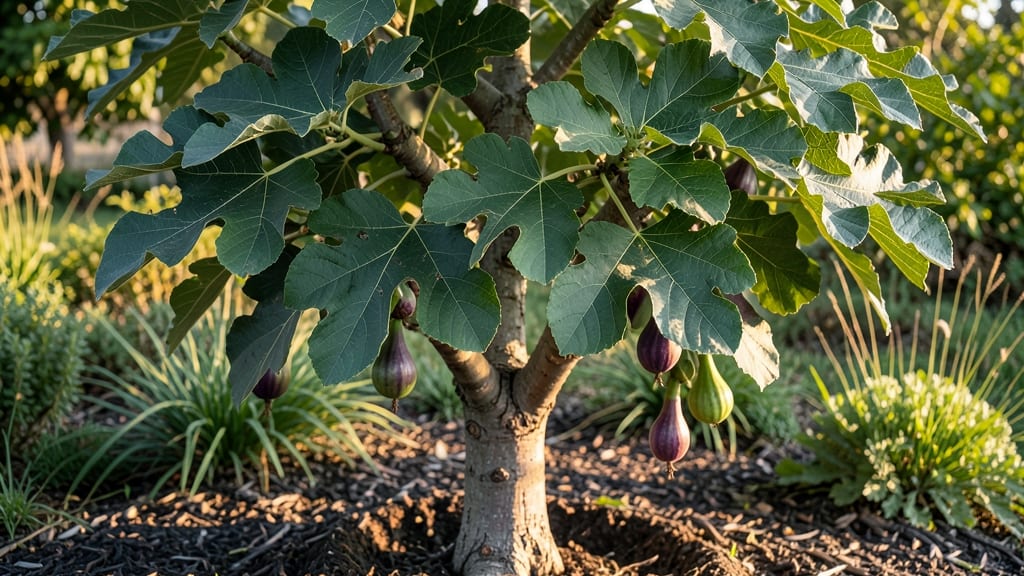
How tall will a fig tree grow? The height of a fig tree can range from a manageable 8 feet to a towering 30 feet, depending entirely on the variety you choose.
Wondering if your backyard can accommodate a fig tree? The height of these fruit-bearing giants varies dramatically by variety—some stay compact enough for containers while others reach towering heights that require careful planning.
For example, the Little Miss Figgy variety tops out at just 8–12 feet—perfect for small gardens or even large pots—while the classic Brown Turkey can stretch up to 20–30 feet if left unchecked.
Below, I’ll break down the height expectations for popular fig varieties, the factors that influence growth, and how to keep your tree at the ideal size for your space—whether that means pruning, training, or choosing a dwarf type from the start.


Fig tree height by variety: small to towering growth expectations
Fig trees are stunning additions to any garden, but their mature heights can vary dramatically depending on the variety. If you're planning your landscape and wondering "how tall will a fig tree grow?", you're in the right place.
Some varieties stay small enough for containers, while others become towering giants that need careful space planning. Let's explore the spectrum from dwarf varieties to towering giants so you can choose the perfect fit for your space.
Understanding these height ranges helps you select a fig tree that matches your garden layout, sunlight conditions, and maintenance preferences. Whether you're dreaming of a patio-friendly dwarf or a shade-providing giant, each variety offers unique benefits.
Let's dive into the specifics to help you make an informed decision before planting.
📌 Key Considerations: Always factor in the tree's spread (often wider than height) and growth rate. Some varieties grow 3-6 feet per year in ideal conditions, while others remain slow-growing. Container-growing can also limit height significantly.
| Variety | Mature Height | Spread | Growth Rate | Best For |
|---|---|---|---|---|
| Little Miss Figgy | 8-12 ft | 6-8 ft | Slow (1-2 ft/year) | Containers, patios |
| Celeste | 10-15 ft | 8-10 ft | Moderate (2-3 ft/year) | Small gardens, urban yards |
| Brown Turkey | 15-20 ft | 12-15 ft | Moderate (3 ft/year) | Backyard orchards |
| Desert King | 12-18 ft | 10-12 ft | Fast (3-4 ft/year) | Drought-prone areas |
| Violette de Bordeaux | 20-25 ft | 15-20 ft | Moderate (2-3 ft/year) | Shade trees, large yards |
| Chicago Hardy | 15-20 ft | 12-15 ft | Slow (1-2 ft/year) | Cold climates (Zone 4+) |
| Black Mission | 25-30 ft | 15-20 ft | Moderate (3 ft/year) | Large landscapes |
| Osborn Prolific | 10-15 ft | 8-10 ft |
Factors that influence fig tree height beyond variety selectionWhile selecting a dwarf fig variety may seem like the best way to control height, your tree's actual growth is heavily influenced by external factors. Even a compact variety can outgrow its expected size if given ideal conditions, while a standard fig tree may stay smaller with proper restraint. Understanding these factors helps you plan for the right space and care routine. Your fig tree's height isn't just determined by its genetics—it's a result of how you nurture it. From the moment you plant, factors like soil quality, sunlight exposure, and pruning habits work together to shape its growth trajectory. For example, a Chicago hardy fig planted in rich, well-draining soil with full sun exposure could reach 25 feet in ideal conditions, while the same variety in poor soil might max out at 15 feet. Key Factors Affecting Fig Tree Height
If you're growing figs in containers, root-bound conditions naturally limit height. However, even container-grown trees need proper drainage and regular repotting to avoid stunted growth. I've seen Little Miss Figgy varieties in 15-gallon pots max out at 6 feet, while the same variety in the ground reaches 10-12 feet. Your watering habits also play a surprising role in height control. Overwatering leads to weak, leggy growth that stretches upward for sunlight, while consistent deep watering promotes sturdy, compact growth. I recommend watering at the base of the tree in the morning to encourage strong root development. Don't overlook the impact of local climate. In arid regions like Arizona, fig trees grow rapidly due to intense sunlight and minimal frost. But in humid climates like Florida, fungal diseases can slow growth and reduce mature height by 25% if not managed properly. For maximum control, combine pruning with espalier training. This technique forces the tree to grow horizontally along a trellis or fence, keeping it at a manageable height while increasing fruit production. I've used this method to keep Celeste figs at 6 feet for easy harvesting from my backyard patio. |