
How To
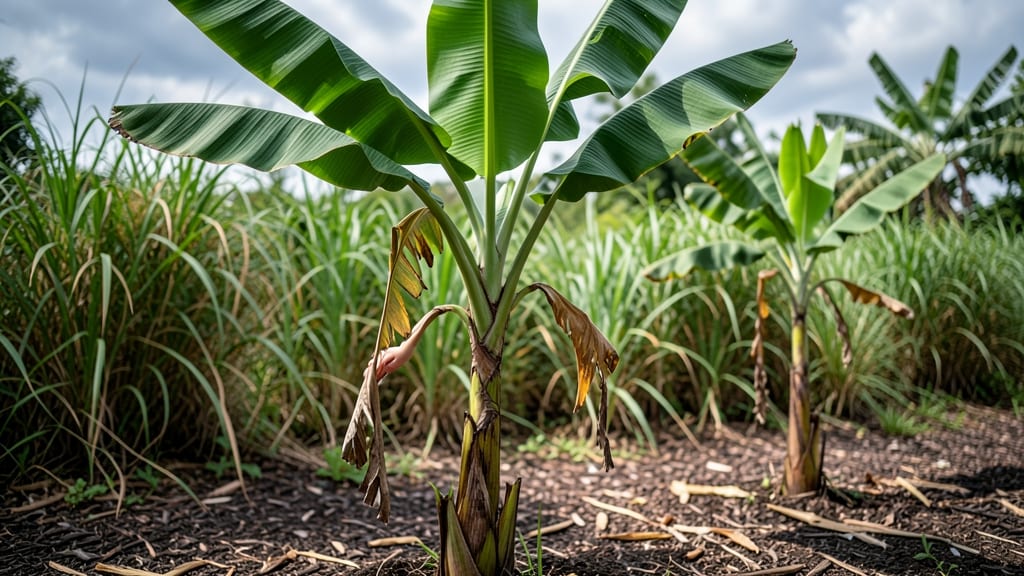
A banana tree grows to how tall banana trees grow—ranging from a manageable 8 feet to towering 30 feet, depending on the variety and growing conditions. 🍌
If you’ve ever dreamed of growing your own tropical paradise, banana trees might be the perfect addition—but did you know some varieties reach the height of a three-story building while others stay small enough for containers?
Understanding banana tree height is key to choosing the right variety for your space and climate. Whether you’re in USDA Zones 10-12 or growing in containers in cooler areas, the right dwarf or standard variety can transform your garden or patio.
In this guide, we’ll break down the height differences between dwarf, semi-dwarf, and standard banana trees, explore the factors that influence growth, and share tips to ensure your banana tree thrives—no matter how tall you want it to be.


Banana tree height by variety: from dwarf to giant species
Choosing a banana tree often comes down to one key question: how tall will it grow? The answer varies dramatically—from compact dwarf varieties perfect for containers to towering giant species that dominate landscapes.
Understanding these differences helps you select the right plant for your space, whether you're a city gardener with a balcony or a rural homesteader with acres.
Most banana trees fall into three height categories: dwarf (under 12 ft), medium (12-18 ft), and giant (20+ ft). Your climate, soil, and care routine will influence whether a variety reaches its maximum potential.
For example, a Dwarf Cavendish might stay at 8 ft in a container but stretch to 12 ft in-ground with ideal conditions.
If you're limited to small spaces, dwarf varieties like Dwarf Cavendish or Ice Cream Banana (6–10 ft) are ideal. These thrive in 15-gallon containers and produce fruit within 12 months. Their compact size makes them perfect for patios or urban gardens, though they’ll need regular pruning to control height.
For medium-height varieties, consider Lady Finger (10–15 ft) or Manzano (12–18 ft). These balance productivity with manageable size, making them great for backyard gardens or large pots. In USDA Zone 10+, they can grow year-round, while in cooler zones, they’ll need winter protection or container mobility.
Giant varieties like Gros Michel or Pisang Awak (20–30 ft) are best suited for tropical climates with year-round warmth. These monsters require spacious yards or agricultural settings, as their massive leaves and fruit bunches demand ample room.
Even in ideal conditions, they take 18–24 months to mature and produce fruit.
Your local climate plays a huge role in height. In USDA Zone 10–12, banana trees grow aggressively, often reaching their maximum height.
But in Zone 9 or cooler, growth slows, and varieties like Bluggoe may only reach 15–20 ft unless given extra care, like winter mulching or container insulation.
Don’t overlook soil quality—rich, well-draining soil with high organic matter encourages taller growth. Amend clay soil with compost or sand to prevent root rot, which stunts growth. Similarly, full sun exposure (6+ hours daily) is critical; shade-loving varieties rarely exceed 10 ft in height.
Pruning also affects height. Regularly removing sucker shoots at the base directs energy upward, promoting taller trunks. However, over-pruning can weaken the plant. Balance is key—aim for 2–3 main stems per tree to maintain structural integrity while encouraging vertical growth.
For container-grown trees, height is naturally limited by pot size. A Dwarf Cavendish in a 20-gallon pot may only reach 6–8 ft,
Factors that influence banana tree height and growth
Banana trees are fascinating plants that can grow dramatically in height depending on their growing conditions. While some varieties naturally stay compact, others can tower over your home if given the right environment.
The key factors influencing banana tree height include climate, soil quality, sunlight exposure, and watering practices. Each of these elements plays a crucial role in determining whether your banana tree will reach its full potential or remain stunted.
For instance, tropical climates with warm temperatures and high humidity create ideal conditions for rapid growth, allowing banana trees to reach their maximum height of 20-30 feet. In contrast, cooler climates may limit growth to 8-12 feet, especially if the tree is container-grown.
Understanding these factors will help you optimize your banana tree's growth and ensure it thrives in your specific environment.
- 1 Climate and Temperature: Banana trees thrive in tropical/subtropical climates (USDA Zones 10-12). Cooler temperatures slow growth, while consistent warmth accelerates it. In Zone 6-9, container-grown trees may only reach 8-12 feet due to seasonal limitations.
- 2 Sunlight Exposure: Full sun (6+ hours daily) is critical for optimal growth. Shade reduces photosynthesis, limiting height potential. In containers, south-facing windows or greenhouses maximize sunlight exposure.
- 3 Soil Type and Fertility: Well-draining, rich organic soil with a pH of 5.5-7.0 promotes rapid growth. Poor soil or compacted clay restricts root development, stunting height. Amend soil with compost or banana-specific fertilizer.
- 4 Watering Practices: Consistent moisture is essential, but overwatering can cause root rot. Deep watering 2-3 times weekly (containers) or weekly (in-ground) supports tall growth. Mulch retains moisture and regulates soil temperature.
- 5 Variety Selection: Dwarf varieties (e.g., 'Dwarf Cavendish') max out at 8-12 feet, while standard varieties (e.g., 'Grand Nain') reach 20+ feet. Choose a variety matched to your space and climate for optimal height.
Another critical factor is container size for potted banana trees. Smaller containers restrict root growth, limiting height to 8-12 feet, even in ideal climates. To encourage taller growth, use containers with a minimum 20-gallon capacity and ensure proper drainage.
Additionally, pruning can influence height—removing suckers redirects energy to the main stem, promoting vertical growth.
If you're growing banana trees in cooler climates, consider using greenhouses or cold frames to extend the growing season. These structures help maintain warm temperatures, allowing your banana tree to grow taller than it would outdoors.
For container-grown trees, move them indoors during winter months to protect them from frost, which can stunt growth or kill the plant entirely.
Finally, regular fertilization with a balanced 10-10-10 NPK fertilizer every 4-6 weeks during the growing season provides essential nutrients for height growth. Avoid over-fertilizing, as excess salts can damage roots and inhibit growth.
By paying attention to these factors, you can create the perfect conditions for your banana tree to reach its full height potential.