
How To
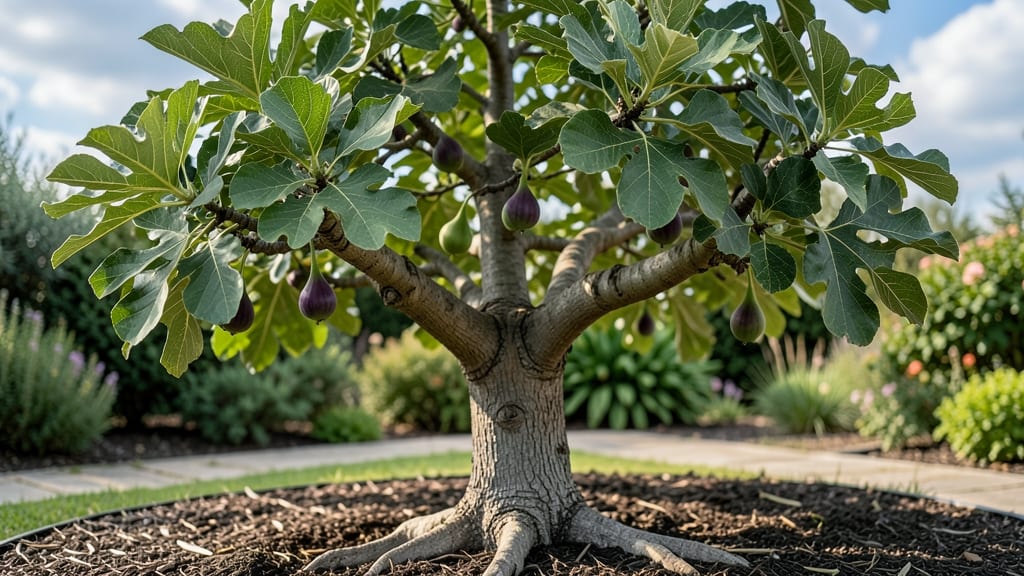
A fig tree can grow up to 30 feet tall 🌳, depending on its variety and growing conditions—but that doesn’t mean you’re stuck with a towering giant in your backyard.
Dreaming of a towering fig tree that provides shade, fruit, and stunning foliage? The height of your fig tree depends on its variety, growing conditions, and how aggressively you prune it—but some can reach heights that will leave your neighbors in awe.
Dwarf varieties like 'Little Miss Figgy' stay under 10 feet, while standard types like 'Brown Turkey' can soar to 20 feet or more if left unchecked.
Even in USDA Zone 6a, where winters are cooler, proper care can help you manage growth for the perfect fit in your space.
In this guide, you’ll discover how to choose the right variety for your garden, when to prune for height control, and how to create ideal growing conditions—so you get the best of both worlds: a beautiful, productive fig tree that fits your yard.


Fig tree height by variety: from dwarf to giant species
If you're wondering how tall can a fig tree grow, the answer depends entirely on the variety you choose. Fig trees (Ficus carica) come in a stunning range of sizes—from compact dwarf varieties perfect for containers to towering giant species that can overshadow your entire backyard.
Understanding these differences helps you plan your garden layout and choose the right tree for your space.
For example, some fig trees stay under 10 feet tall while others can reach 30 feet or more when left unpruned. The key is selecting a variety that matches your available space and maintenance preferences.
Let’s explore the height ranges of popular fig tree varieties so you can make an informed decision.
🌱 Comparison Table: Fig Tree Heights by Variety
Dwarf varieties like Little Miss Figgy and Desert King are ideal if you're limited on space or want a tree for containers. These stay under 12 feet tall and thrive in pots, making them perfect for patios or small balconies.
Their slower growth also means less pruning, which is great for beginners.
On the other end of the spectrum, varieties like Black Mission and Violette de Bordeaux can become giant fig trees, reaching heights of 25–35 feet. These are best suited for large properties where they can spread their roots and branches freely.
If you're aiming for shade or a dramatic focal point, these varieties deliver—but be prepared for regular pruning to manage their size.
Standard varieties like Brown Turkey and Celeste strike a balance, typically growing between 12–25 feet tall. They’re versatile enough for most backyards and produce abundant fruit. For example, Brown Turkey is a favorite among home growers because it’s hardy, productive, and adaptable to various climates.
One common misconception is that all fig trees grow into tall, unmanageable giants.
In reality, with the right variety and care, you can keep a fig tree at almost any height you desire. Pruning plays a huge role—even a naturally tall variety can be trained to stay small with consistent maintenance.
For instance, if you start with a Black Mission cutting but prune it aggressively, you might keep it under 10 feet tall for years.
If you're growing figs in containers, dwarf varieties are your best bet. Even then, regular pruning will help control height and encourage bushier growth. For in-ground planting, consider your yard size and future growth.
A 30-foot-tall fig tree might not be practical near a house or driveway, but it could be perfect for a rural homestead.
Another factor to consider is your climate zone. Some varieties, like Desert King, are bred for arid conditions and may grow more slowly in cooler climates. Meanwhile, Violette de Bordeaux thrives in Mediterranean climates and can grow rapidly with plenty of sun and water.
Always check the USDA hardiness zone recommendations for your chosen variety.
For those who love the idea of a towering fig tree but lack the space, consider training your tree as a standard or espalier.
This technique involves pruning and shaping the tree to grow against a wall or trellis, keeping it narrow while allowing it to reach impressive heights vertically. It’s a fantastic way to enjoy a large fig tree without sacrificing yard space.
No matter which variety you choose, remember that fig trees are adaptable. With the right care—including proper pruning, sunlight, and water—they can thrive in almost any setting. Whether you're aiming for a compact patio tree or a shade-providing giant, there’s a fig tree variety that’s perfect for you.
How pruning affects fig tree height: techniques for controlling growth
Pruning is the secret weapon for managing your fig tree's height—whether you want a compact patio tree or a towering shade provider. Without pruning, standard varieties can soar to 20-30 feet, while aggressive pruning can keep even large varieties under 8 feet.
The key is understanding when and how to prune to balance growth, fruit production, and tree health.
Fig trees respond well to pruning because they're naturally vigorous growers. By removing specific branches, you redirect energy to fruit production or compact growth. Timing matters most: Prune at the right season, and you'll encourage bushier growth; prune at the wrong time, and you might stress the tree.
Let's break down the proven techniques to control your fig tree's height like a pro.
Step-by-Step Pruning Guide for Height Control
-
Step 1: Choose Your Goal
- For compact growth: Aim for 60-70% height reduction annually
- For fruit production: Focus on thinning interior branches to improve airflow
- For shade trees: Use structural pruning to maintain natural shape
-
Step 2: Timing is Critical
- Late winter/early spring (before buds swell): Best for major height reduction
- Summer pruning (after harvest): Encourages new growth for next year
- Avoid fall pruning—it delays healing before winter
-
Step 3: Master Pruning Techniques
- Heading back: Cut 1/3 of current year's growth to limit height
- Thinning: Remove entire branches at base to open canopy
- Structural pruning: Shape scaffold branches during dormancy
-
Step 4: Use the Right Tools
- Bypass pruners for thin branches (under 1/2 inch)
- Loppers for medium branches (1/2-1.5 inches)
- Saw for thick branches (over 1.5 inches)
-
Step 5: Post-Pruning Care
- Apply wound sealant to cuts larger than 1 inch
- Water deeply after pruning to reduce stress
- Monitor for new shoots—prune again if needed
Remember that fig trees produce fruit on both old and new wood, so aggressive pruning can temporarily reduce harvests. If you're growing dwarf varieties, you can prune more heavily for compact growth, while standard varieties need gentler shaping to maintain their natural height potential.
Start with 20-30% annual pruning and adjust based on your tree's response.
For container-grown fig trees, pruning is even more critical since root space limits natural growth. Use espalier training combined with pruning to keep trees under 6 feet while maximizing fruit production. The key is consistency—prune at the same time each year to establish predictable growth patterns.
Pro tip: Always prune just above a bud or branch collar to prevent disease entry points. And never remove more than 30% of the canopy in a single session, as this can shock the tree.
With the right technique, you can shape your fig tree to fit any space while enjoying abundant fruit harvests.