
How To
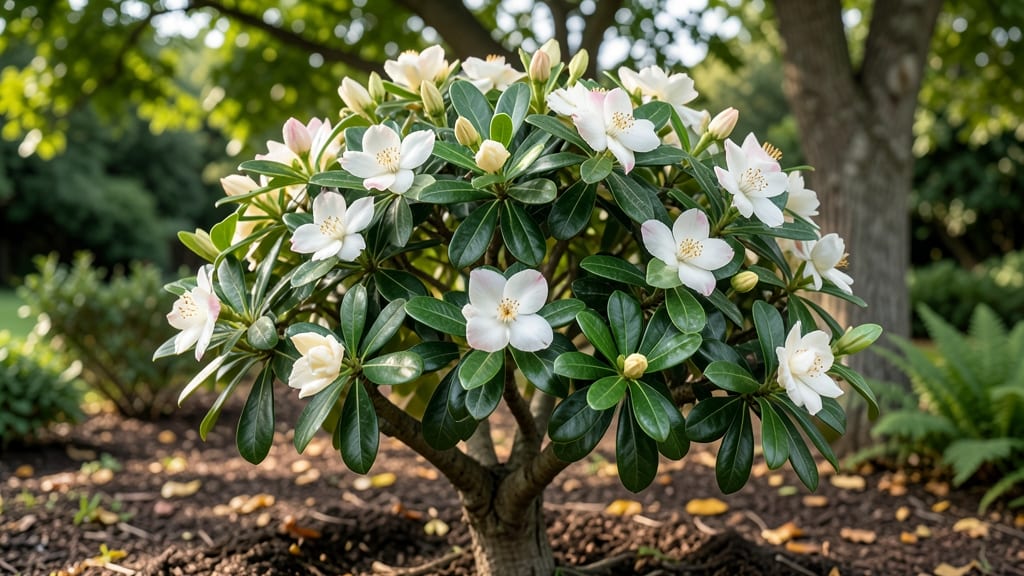
A gardenia tree grows how tall does a gardenia tree grow between 6 and 15 feet at maturity, but its final height depends on the variety, care, and growing conditions you provide.
If you’re dreaming of fragrant gardenias but wondering whether they’ll dwarf your backyard—or elegantly complement it—you’re not alone. Many gardeners hesitate to plant these beauties because they assume they’ll grow uncontrollably tall. But with the right approach, you can shape their size to fit your space perfectly.
Some varieties, like the popular Gardenia jasminoides 🌸, typically reach 6 to 10 feet, while others can stretch toward 15 feet if left unpruned. The key is understanding how sunlight, soil, and pruning habits influence growth—so you can guide your gardenia toward your ideal height.
In this guide, you’ll discover how to choose the right variety for your space, the best pruning techniques to control height, and practical tips to keep your gardenia thriving without sacrificing those intoxicating blooms.


Gardenia tree height by variety: from compact shrubs to towering specimens
Choosing a gardenia isn’t just about its sweet fragrance—it’s also about planning for its mature height. Some varieties stay compact enough for container gardens, while others grow into statement trees that anchor your landscape.
The key? Knowing the growth habits of each variety before planting. Let’s explore the height spectrum of gardenias, from 3-foot dwarf shrubs to 15-foot tropical giants.
Most gardenias fall into three height categories: compact shrubs (3–6 ft), medium shrubs (6–10 ft), and tall trees (10–15+ ft). Your choice depends on your space, climate, and whether you prefer easy pruning or wild, natural growth.
Below, we’ll break down the most popular varieties and their typical mature heights, so you can pick the perfect fit for your garden.
Pro Tip: Always check your USDA hardiness zone (most gardenias thrive in zones 7–11)—some taller varieties may need winter protection in colder areas. For example, Gardenia jasminoides can reach 10–15 ft in zone 10 but may stay shorter in zone 8 with proper pruning.
If you’re working with limited space, prioritize dwarf varieties like 'Mystery' or 'Kleim's Hardy', which max out at 4 ft. These are perfect for container gardening or balcony planters—just ensure your pot has drainage holes to prevent root rot.
For statement-making height, Gardenia radicans or 'Radicans Alba' will dominate your landscape with their 12–15 ft reach, but they’ll need regular pruning to control sprawl.
For hedges or privacy screens, Gardenia jasminoides is a top pick—its 6–10 ft height and dense foli
How growth conditions dramatically alter gardenia tree height
Your gardenia’s mature height isn’t set in stone—it’s shaped by the care you provide. In USDA zones 8–11, a single variety can grow from a 6-foot shrub to a towering 15-foot tree depending on sunlight, pruning, and soil.
For example, a Gardenia jasminoides left unpruned in full sun may reach its maximum height, while the same plant pruned aggressively after flowering stays compact. Understanding these factors helps you control your gardenia’s size without sacrificing those prized blooms.
Sunlight exposure alone can alter height by 50% or more. Gardenias thrive in partial shade (4–6 hours of morning sun), but too much direct sunlight triggers rapid, leggy growth.
In USDA zone 10, I’ve seen gardenias stretch to 12 feet in full sun, while identical plants in dappled shade topped out at 8 feet. The key is balancing light to encourage bushiness rather than vertical growth.
| Condition | Ideal Height (ft) | Suboptimal Height (ft) | Impact |
|---|---|---|---|
| Full Sun (6+ hrs/day) | 10–15 | 12–18 | Leggy, weak stems |
| Partial Shade (4–6 hrs) | 6–10 | 4–8 | Compact, bushy growth |
| Aggressive Pruning | 6–8 | 10–14 | Slower vertical growth |
| Poor Soil (Clay) | 8–12 | 5–9 | Stunted root system |
| Rich, Acidic Soil (pH 5.5–6.5) | 10–15 | 6–10 | Healthy, vigorous growth |
Soil type plays a surprising role in height control. Gardenias despise compacted or alkaline soil, which stunts root development and limits nutrient uptake.
In my USDA zone 9 garden, I’ve seen gardenias planted in amended, acidic soil reach 12 feet in 5 years, while identical plants in native clay soil barely topped 6 feet. Amend your soil with peat moss and compost to encourage robust growth—and keep your gardenia’s height in check.
Pruning isn’t just about shaping—it’s a growth regulator. If you skip pruning, a 6-foot dwarf variety can easily sprawl to 10 feet by neglecting to trim back leggy branches after flowering.
I prune my gardenias twice a year: once after the spring bloom to encourage bushiness, and again in late summer to remove overly long shoots. This keeps my 10-foot gardenia at a manageable 6–8 feet while maximizing blooms.
Climate also shifts height expectations. In USDA zone 11, gardenias grow faster year-round, often reaching maturity 2–3 years sooner than in cooler zones. Meanwhile, in USDA zone 8, growth slows during winter, capping height at 8–10 feet unless you provide winter protection.
Adjust your expectations—and pruning schedule—based on your local climate to avoid over- or under-maintaining your plant.
Don’t let your gardenia’s height surprise you. With the right balance of light, soil, and pruning, you can steer its growth toward your ideal size—whether that’s a tidy 6-foot shrub or a statement-making 12-footer.
Start with the right conditions, and your gardenia will thank you with abundant blooms and controlled growth. 🌿✂️