
How To
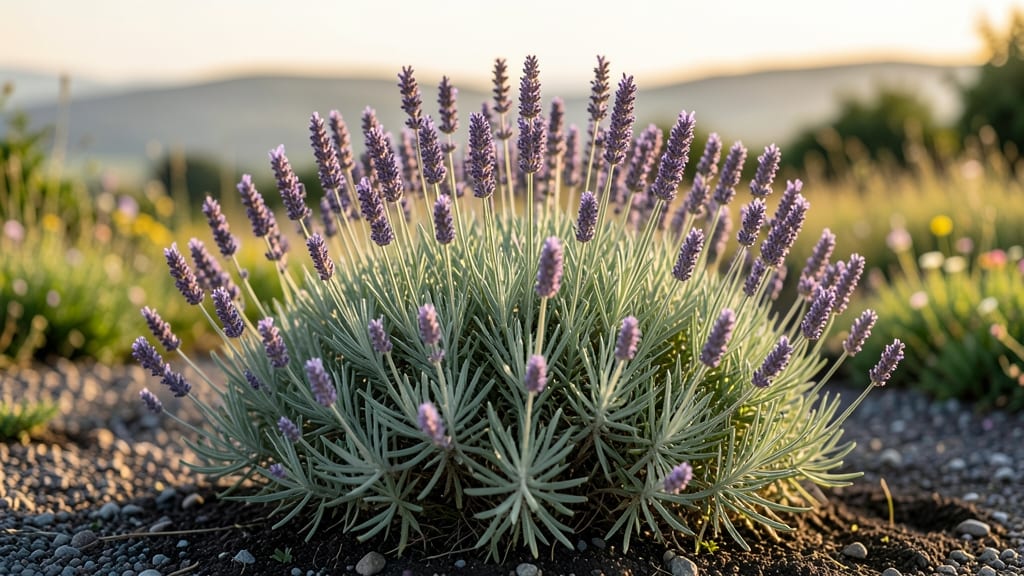
Lavender trees grow anywhere from 3 to 10 feet tall, depending on the variety and growing conditions — a range that can transform your garden from a cozy corner to a towering purple statement piece.
If you’re dreaming of a fragrant, purple-hued centerpiece for your garden but worry about lavender trees outgrowing their space, you’re not alone. Many gardeners underestimate just how dramatically lavender varieties differ in height, especially when comparing the compact Munstead to the towering Lavandin hybrids.
Understanding these height variations is the key to choosing the right lavender for your space. Whether you’re working with a small balcony or a sprawling backyard, the right variety and care can keep your lavender 🌿 at the perfect height for years.
Below, I’ll break down the height differences between popular types, share pruning secrets to control growth, and reveal the 5 biggest mistakes that turn a manageable shrub into an unruly giant.


Lavender tree height variations: from dwarf shrubs to 10-Foot giants
When I first planted lavender in my garden, I assumed all varieties would stay compact—until my English lavender shot up to 6 feet! Lavender isn’t actually a tree (it’s a woody shrub), but some varieties grow tall enough to rival small trees.
The key difference lies in the species: English lavender tends to be taller, while Spanish lavender stays shorter and bushier.
If you’re planning your garden layout, knowing these height variations will help you avoid overcrowding. For example, a French lavender like 'Grosso' can reach 10 feet with proper care, while dwarf varieties like 'Munstead' max out at 3 feet.
The right choice depends on your space and design goals—whether you want a fragrant hedge or a statement shrub.
Comparison Table: Lavender Height Variations
The French lavender varieties like 'Grosso' are the tallest, often reaching 10 feet with proper care. These are perfect if you’re aiming for a privacy screen or a dramatic backdrop plant.
However, they require ample space—plant them at least 6 feet apart to avoid competition for water and nutrients.
On the other hand, Spanish lavender varieties like 'Papillon' stay low and bushy, making them ideal for rock gardens or container gardening. Their slow growth rate means you won’t need to prune them often, which is great for low-maintenance gardens.
I’ve seen 'Papillon' thrive in 10-inch pots for years with minimal care.
If you’re working with limited space, English lavender like 'Munstead' is a fantastic choice. It stays under 4 feet and produces abundant flowers perfect for cutting. Plus, its compact form makes it great for container gardens or small urban yards.
Just be sure to prune it lightly after flowering to keep it tidy.
One common mistake I see is assuming all lavender grows the same height. For example, Lavandin hybrids like 'Seal' can grow 6–8 feet tall and are often used for essential oil production because of their high oil content.
If you’re growing lavender for aromatherapy, these taller varieties are worth considering—but they’ll need more space.
For container gardening, stick to dwarf varieties like 'Kew Red' or 'Twickel Purple'. These stay under 3 feet and do well in 12-inch pots with proper drainage. I’ve grown 'Twickel Purple' in containers for years, and it’s always been a fragrant star on my patio.
Just remember: containers dry out faster, so monitor soil moisture closely.
When planning your garden, consider not just the mature height but also the growth rate and spread of each variety. A French lavender like 'Provence' might start small but can grow 3 feet per year
How to control lavender tree growth: pruning, spacing, and variety selection
Managing the height of your lavender tree starts with understanding its growth habits. While some varieties can reach 10 feet tall, others like 'Munstead' stay compact at just 2-3 feet.
The key is selecting the right variety and implementing proper pruning techniques early. I’ve learned that skipping pruning can lead to leggy, overgrown plants that lose their bushy charm.
For container gardening, dwarf varieties like 'Kew Red' are ideal—they thrive in pots and rarely exceed 3 feet. But even these need occasional trimming to maintain their shape.
If you’re planting in the ground, give taller varieties like 'Grosso' at least 4 feet of space between plants to prevent overcrowding.
When pruning, I always aim to shape the plant rather than just reduce height. For example, I’ll trim the outer stems of my 'Munstead' lavender to encourage a fuller, rounded form. This not only keeps it under 3 feet but also boosts flower production.
If you’re growing lavender in containers, pruning is even more critical—root-bound plants grow slower but benefit from regular trimming to prevent legginess.
Another trick I’ve picked up is pinching back young plants in early spring. By snipping off the top 1-2 inches of new growth, you force the plant to branch out instead of shooting upward.
This works wonders for varieties like 'Kew Red', keeping them under 4 feet even in ideal growing conditions. Just remember: never prune more than 1/3 of the plant at once, or you risk stressing the shrub.
If you’re dealing with an overgrown lavender tree, don’t panic—it’s never too late to rein it in. Start by removing dead or woody stems first, then gradually trim back the remaining growth over 2-3 years.
For dramatic height reduction, I’ve seen gardeners prune their lavender down to 1 foot in one season, but this requires patience and careful monitoring. Always prune on a dry, sunny day to help the plant recover faster.
For small gardens or urban spaces, consider dwarf lavender varieties like 'Lavender Lady' or 'Goodwin Creek Grey', which max out at 2 feet. These are perfect for window boxes or hanging baskets and still produce abundant flowers.
Pair them with thyme or rosemary for a fragrant, low-maintenance display that won’t overwhelm your space.