
How To
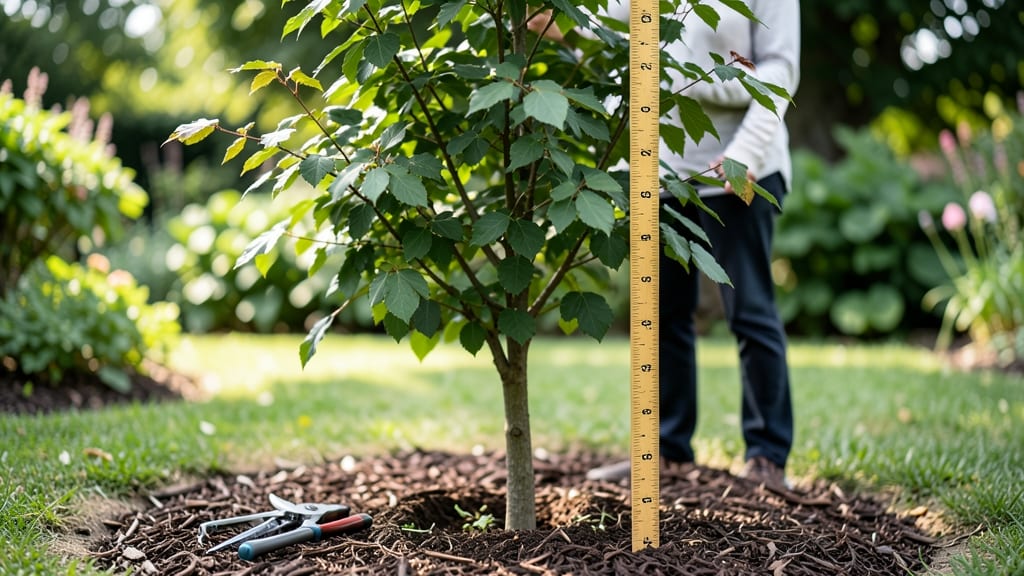
A dwarf mulberry tree grows how tall does a dwarf mulberry tree grow between 6 and 12 feet at maturity, making it a perfect fit for small yards and urban gardens.
If you love mulberry trees but have limited space, dwarf varieties offer the same lush foliage and sweet fruit without the towering height—here’s exactly how small they can stay.
Unlike their full-size cousins that can reach 20 to 30 feet, these compact trees stay manageable while still producing abundant berries. The Illinois Everbearing and 'Purple Leaf' varieties are popular choices, both staying under 8 feet with proper care.
Growth depends on pruning, soil quality, and sunlight. Pruning in late winter keeps them tidy, while well-draining soil and full sun ensure they thrive. These trees also make great ornamental plants, adding beauty and edible rewards to your landscape.
Ready to grow one? Discover how to maximize their compact size and pair them with complementary plants for a layered garden design.


Dwarf mulberry tree height guide: expected growth ranges by variety
If you're dreaming of a mulberry tree but lack the space for a towering giant, dwarf mulberry varieties are the perfect solution. These compact trees stay under 8 feet tall while delivering all the benefits—sweet fruit, lush foliage, and minimal maintenance.
But not all dwarf varieties grow the same size, so let's break down exactly what to expect from popular options.
The mature height of a dwarf mulberry typically ranges from 6 to 12 feet, but some stay as short as 4 to 6 feet with proper care. Growth rates also vary, with some varieties reaching half their mature height in just 2 to 3 years.
Understanding these differences helps you choose the right tree for your garden layout and space constraints.
Key factors influencing height include pruning habits, soil quality, and sunlight exposure. For example, 'Illinois Everbearing' tends to stay on the shorter side (6–8 feet) if pruned regularly, while 'Purple Leaf' may reach up to 10 feet without intervention. Let’s explore the specifics in the table below to help you plan your garden design.
When planning your garden, consider the space requirements of each variety. For example, the 'Dwarf Mulberry' variety is ideal for containers or small patios, while 'Purple Leaf' thrives as a border plant in medium-sized gardens.
Always leave at least 3–5 feet of clearance around the tree for airflow and maintenance access.
Growth rates can also be influenced by your climate and care routine. In warmer climates, dwarf mulberries may grow slightly faster, while cooler regions might see slower initial growth.
To encourage compact growth, focus on regular pruning during late winter or early spring. This not only controls height but also promotes denser foliage and better fruit production.
If you're growing a dwarf mulberry in a container, expect slightly slower growth due to root restrictions. Choose a pot that’s at least 18–24 inches wide and deep, and use a high-quality potting mix with good drainage.
Container-grown trees may stay 1–2 feet shorter than their in-ground counterparts but still produce abundant fruit.
For urban gardeners or those with limited space, dwarf mulberries are a fantastic choice. Their compact size makes them perfect for backyard orchards, courtyard gardens, or even large balconies. Pair them with complementary plants like lavender, rosemary, or dwarf fruit trees to create a layered, low-maintenance landscape.
Remember, the key to keeping your dwarf mulberry at its ideal height is consistent care. Monitor growth throughout the season, and don’t hesitate to prune aggressively if the tree starts to outgrow its space.
With the right variety and maintenance, you’ll enjoy a fruit-bearing tree that fits seamlessly into even the smallest garden.
Ready to plant? Start by selecting the variety that best matches your space and goals, then give it the care it needs to thrive—your compact mulberry tree will reward you with years of sweet fruit and stunning foliage.
How to maximize compact growth: pruning and care tips for smaller trees
Keeping your dwarf mulberry tree under 8 feet requires consistent care and strategic pruning. These trees naturally stay compact, but proper techniques ensure they don’t outgrow their space.
Start by understanding their growth habits—most dwarf varieties mature between 6 to 8 feet, but aggressive pruning can keep them even smaller. The key is timing and precision, especially during their first few years when growth is most rapid.
Begin with early-season pruning in late winter or early spring, before new growth appears. This removes dead or crossing branches while shaping the tree. Focus on maintaining an open canopy to allow sunlight to reach all parts of the tree, which encourages even growth and better fruit production.
Use sharp, clean pruners to make cuts just above a bud or branch collar to prevent damage and promote healing.
During the growing season, monitor your tree’s growth closely. If you notice branches exceeding your desired height, prune them back by one-third to control vertical expansion. Avoid heavy pruning in late summer or fall, as this can stimulate new growth that won’t harden off before winter.
Instead, opt for lighter maintenance pruning to tidy up the tree and remove any suckers or water sprouts that appear at the base.
🌱 How Tall Does a Dwarf Mulberry Tree Grow?
With proper care, most dwarf mulberry trees stay between 6 to 8 feet tall at maturity. Varieties like 'Illinois Everbearing' or 'Purple Leaf' are bred to remain compact, but their height depends on pruning habits. Neglecting pruning can push them toward the upper limit of 8 to 12 feet, so regular maintenance is key to keeping them smaller.
Sunlight is another critical factor in controlling your tree’s size. Dwarf mulberries thrive in full sun (6-8 hours daily), but insufficient light can lead to leggy growth and weaker branches.
If your tree isn’t getting enough sunlight, consider transplanting it to a sunnier spot or supplementing with a grow light during cloudy periods. Well-lit trees produce denser foliage and more fruit, making them easier to manage and more rewarding to grow.
Soil conditions also play a role in keeping your dwarf mulberry in check. These trees prefer well-draining, slightly acidic soil (pH 6.0-7.0). Amend heavy or clay soils with compost or organic matter to improve drainage and aeration.
Overly fertile soil can encourage rapid, unchecked growth, so avoid over-fertilizing. Instead, use a balanced fertilizer (10-10-10) sparingly, applying it in early spring and again in mid-summer to support steady, controlled growth.
Finally, mulch around the base of your tree to retain moisture, regulate soil temperature, and suppress weeds. Use 2-3 inches of organic mulch, like wood chips or straw, keeping it a few inches away from the trunk to prevent rot.
Mulching also encourages a stronger root system, which helps the tree stay stable and compact. Combine these care tips with regular pruning, and your dwarf mulberry will remain a manageable, productive addition to your garden for years to come.