
How To
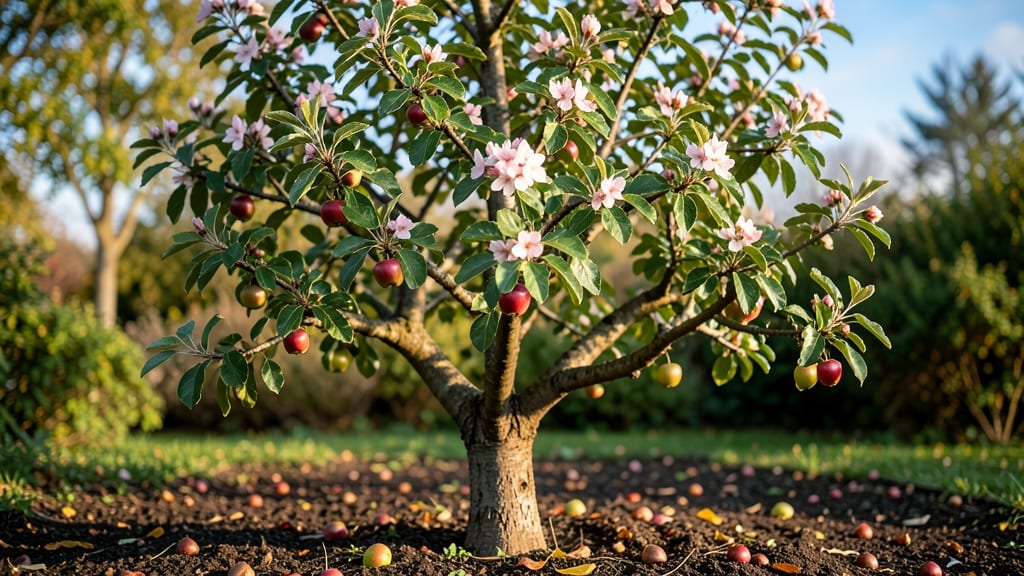
How tall does a crab apple tree grow? At maturity, they typically reach between 15 and 25 feet, but the exact height depends on the variety, pruning, and growing conditions—so your choice could mean a compact ornamental tree or a towering shade provider.
If you’re dreaming of a stunning ornamental tree with vibrant fall colors and wildlife-friendly fruit—but worry about space—crab apple trees offer the perfect balance. But just how tall will yours grow?
The answer depends on the variety, pruning habits, and growing conditions, and getting it right ensures your tree thrives without overwhelming your yard.
Some varieties stay under 15 feet, making them ideal for small yards, while others can reach 40 feet or more if left unchecked.
Proper spacing, pruning, and soil care can help you control growth, whether you want a 🍎 tree that fits neatly in your landscape or one that becomes a focal point.
Below, I’ll break down the height ranges by variety, how to manage growth, and the best options for small spaces—so you can plant with confidence and enjoy years of beauty and fruit.


Crab apple tree height by variety: small, medium, and giant options
Choosing the right crab apple tree for your space starts with understanding their mature height ranges. These trees vary dramatically—from dwarf varieties under 10 feet to garden giants over 40 feet.
The variety you pick will determine whether your tree fits cozily in a small urban yard or becomes a statement piece in a large landscape. Let’s explore the spectrum so you can match your dream tree to your available space.
Most crab apple trees fall into three height categories: compact (under 15 feet), medium (15-25 feet), and tall (25+ feet). Your choice depends on factors like yard size, neighboring structures, and even pruning goals.
For example, a ‘Dolgo’ crab apple stays under 12 feet, perfect for patios, while a ‘Malus ‘Evereste’ can soar to 30 feet, ideal for open fields. Let’s break down the options to help you visualize their mature sizes.
| Variety | Mature Height | Spread | Best For | Notes |
|---|---|---|---|---|
| ‘Dolgo’ | 8–12 ft | 8–10 ft | Small yards, patios | Dwarf variety; great for containers |
| ‘Adams’ | 10–15 ft | 10–12 ft | Urban gardens, small lots | Resistant to fire blight; compact growth |
| ‘Sargent’ | 12–18 ft | 12–15 ft | Medium yards, privacy screens | Vibrant red fruit; disease-resistant |
| ‘Evereste’ | 25–30 ft | 20–25 ft | Large landscapes, parks | White blooms; needs space |
| ‘Royalty’ | 30–40 ft | 25–30 ft | Rural properties, open fields | Dramatic height; stunning fall color |
If you’re working with limited space, prioritize dwarf or semi-dwarf varieties like ‘Dolgo’ or ‘Adams’. These stay under 15 feet tall and thrive in containers or small yards. Their compact growth habit makes them ideal for patios or foundation plantings.
For example, a ‘Dolgo’ crab apple fits perfectly in a large planter on a deck, adding seasonal interest without overpowering the area.
For medium-sized yards, varieties like ‘Sargent’ or ‘Centennial’ offer a balanced height of 12–20 feet. These trees provide year-round interest with spring blooms, summer shade, and fall color.
They’re also great for wildlife support, as their small fruits attract birds. Plant one near a seating area to enjoy its ornamental value up close.
If you have ample space and want a showstopper, consider tall varieties like ‘Evereste’ or ‘Royalty’. These can reach 30–40 feet, making them perfect for large backyards or rural settings.
Their towering presence adds drama to landscapes, especially when paired with understory plants like hostas or ferns. Just ensure you have 15–20 feet of clearance for overhead branches and power lines.
One key factor influencing height is pruning practices. Even tall varieties can be managed to stay smaller with regular pruning. For instance, pruning to an open-center form instead of a central leader can reduce height by 20–30%.
Always prune in late winter or early spring to avoid removing next year’s blooms. Use sterilized tools to prevent disease spread, especially with fire blight-prone varieties.
When planning your planting location, account for the tree’s mature spread, not just height. A 20-foot-tall tree with a 15-foot spread will occupy a 30-foot diameter at maturity. This means spacing it 10–15 feet away from structures, sidewalks, or other plants. For
How pruning and care affect crab apple tree height growth
Pruning your crab apple tree isn’t just about shaping its branches—it’s the key to controlling its height growth. Young trees grow 3-5 feet per year if left unchecked, but strategic pruning can slow or even stunt growth to fit your yard’s space.
The right timing and technique make all the difference, especially for varieties like ‘Royalty’ or ‘Adams’, which can reach 25 feet without intervention.
Your pruning approach depends on your tree’s growth habit. Most crab apples grow in either an open-center form (wide, multi-trunked) or a central leader form (single trunk). Open-center trees naturally stay shorter, while central leader types need aggressive pruning to prevent tall, leggy growth.
Even a few well-placed cuts can redirect energy toward width instead of height.
⚠️ callout warning
Over-pruning in one season can shock your tree, leading to stunted growth for years. Never remove more than 25% of the canopy in a single year, or you risk weakening the tree’s ability to produce new branches. Also, avoid topping (cutting the main trunk flat)—this creates ugly, weak regrowth and encourages disease.
🌳 Pro Tip: Prune in late winter (just before buds swell) for best results.
Timing is everything when it comes to height control. The best time to prune is late winter or early spring, right before new growth begins. This encourages balanced growth and prevents the tree from sending all its energy upward.
For summer pruning, focus on removing water sprouts (vertical shoots) to keep the tree compact. Avoid heavy pruning in fall, as it can leave wounds vulnerable to bacterial infections.
Soil and sunlight play equally critical roles in managing your tree’s height. Plant your crab apple in well-draining soil with a pH of 6.0-7.0—poor soil forces the tree to work harder, often resulting in taller, weaker growth.
Amend heavy clay with compost or sand to improve drainage. As for sunlight, full sun (6+ hours daily) promotes strong, sturdy branches, while shade leads to elongated, spindly growth.
Watering habits also influence height. Young trees need deep, infrequent watering to develop deep roots, which anchor the tree and support compact growth. Water at the base of the tree (not the leaves) to avoid fungal diseases.
Once established, crab apples are drought-tolerant, but consistent moisture during the first 2-3 years prevents height spikes caused by stress.
For the most control, combine pruning with fertilization strategies. Use a balanced fertilizer (10-10-10) in early spring to encourage broad growth, but avoid high-nitrogen fertilizers, which promote rapid vertical growth.
Mulch with 3-4 inches of organic mulch (like wood chips) to retain moisture and regulate soil temperature, further supporting healthy, controlled growth.