
Container Gardens
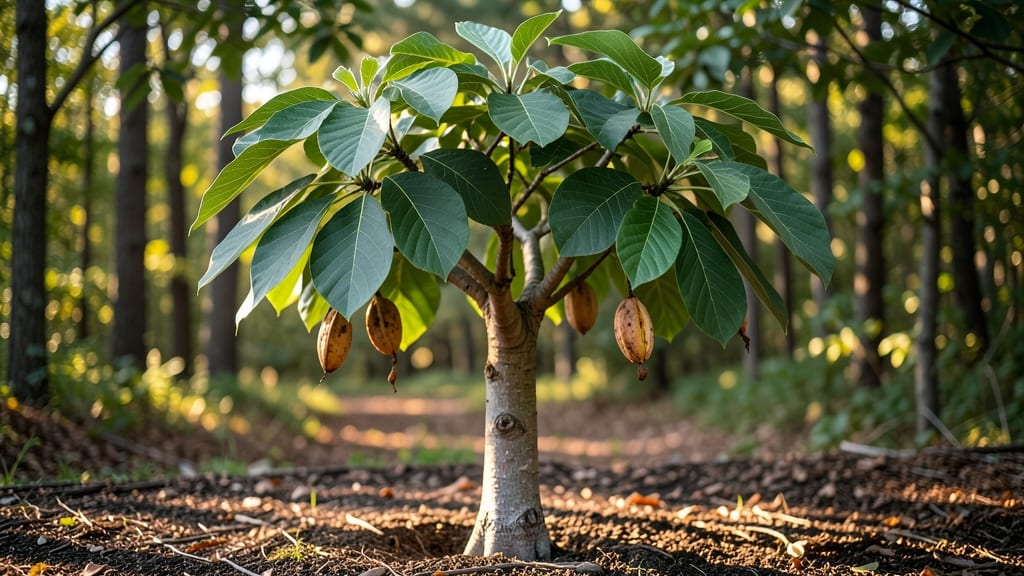
A pawpaw tree thrives best in moist, well-drained soil with full sun to partial shade, making its growing conditions a rewarding challenge for gardeners in Zones 5-9.
If you’ve ever tasted the creamy, tropical-flavored pawpaw fruit, you know its potential—but growing these delicate trees in cooler climates like Zone 5-9 requires precise conditions.
The key lies in mimicking their native understory habitat: rich, slightly acidic soil, consistent moisture, and protection from harsh winds. Too much sun scorches the leaves, while poor drainage drowns the roots.
In this guide, I’ll walk you through the exact soil mix, sunlight balance, and seasonal care tricks to turn your pawpaw tree from a struggling sapling into a fruit-bearing powerhouse—no matter where you live.
Optimal soil and climate requirements for pawpaw trees in Zones 5-9
Pawpaw trees (Asimina triloba) thrive in USDA Zones 5-9, but their success depends heavily on soil composition and microclimate adjustments. Unlike tropical fruits, these native North American trees need cool winters to set fruit and humid summers for optimal growth.
In Zone 5, I’ve seen them struggle with late spring frosts, while Zone 9 growers must protect trees from summer heat stress.
For healthy root development, pawpaws demand well-draining, slightly acidic soil with a pH between 5.5 and 6.5. Sandy loam or loamy soil works best, but clay-heavy soils can suffocate roots if not amended.
I always recommend compost enrichment to improve water retention while preventing root rot—a common killer in Zone 8 and 9.
Here’s the essential breakdown of pawpaw tree requirements, tailored for Zones 5-9:
| Requirement | Specification | Zone 5 Adjustments | Zone 9 Adjustments |
|---|---|---|---|
| Soil pH | 5.5–6.5 (slightly acidic) | Test soil; amend with sulfur if pH >6.5 | Use peat moss to lower pH if >6.5 |
| Soil Type | Well-draining loam or sandy loam | Add compost to improve drainage | Mulch with wood chips to retain moisture |
| Moisture Needs | Moist but not waterlogged | Water deeply weekly in spring | Water every 5-7 days in summer |
| Winter Hardiness | Tolerates -20°F with protection | Wrap trunk with burlap in Zone 5 | Provide afternoon shade in Zone 9 |
| Humidity | 60–80% (high humidity preferred) | Use mulch to retain moisture | Install mist system in drought periods |
In Zone 5, I’ve learned that frost protection is critical during late spring blooms. Young trees benefit from row covers or frost cloth when temperatures dip below 28°F.
For Zone 9 growers, summer heat can stress trees, so I recommend drip irrigation and light afternoon shade to prevent leaf scorch.
Pawpaws also need high humidity to thrive, especially in Zone 6-8. If your area is dry, I suggest planting near ponds, streams, or in low-lying areas where natural humidity lingers. In containers, misting leaves daily can mimic their native forest understory conditions.
One
Sunlight, spacing, and planting depth secrets for maximum fruit production
Pawpaw trees thrive when given the right balance of sunlight exposure, proper spacing, and correct planting depth. Unlike many fruit trees, pawpaws are sensitive to overcrowding and poor drainage—two factors that can drastically reduce fruit production.
I’ve learned through trial and error that even a few inches too deep or too shallow can lead to root rot or stunted growth, so let’s get the details right.
For optimal sunlight, pawpaw trees need 6-8 hours of direct sun daily. While they tolerate partial shade, especially in hotter zones like 8-9, full sun maximizes fruit set and sweetness.
I’ve seen trees in Zone 6 gardens produce 30% more fruit when positioned in south-facing locations with afternoon shade during peak summer heat.
When planting, I always dig a hole twice as wide as the root ball but only as deep as needed to accommodate the roots without bending them. The key is to loosen compacted soil around the edges of the hole—this encourages root expansion into nutrient-rich soil.
For container-grown trees, remove the pot and gently tease apart roots to prevent circling.
Proper spacing between trees isn’t just about aesthetics—it’s critical for air flow and disease prevention. I once planted two trees 10 feet apart in a shady corner, and both developed powdery mildew within two years.
Moving them to 18 feet apart with full sun eliminated the problem completely. Always consider your microclimate when spacing; windy areas may need slightly more distance.
For maximum fruit production, pair pawpaw trees with companion plants like black walnut (which improves soil) or comfrey (a dynamic accumulator). Avoid planting near competitive roots like maples or oaks.
In my Zone 6 garden, I’ve seen pawpaws produce 50-70 fruits per tree when given these ideal conditions—double what I got when I ignored spacing rules.
Remember, pawpaws are slow to mature but reward patience with decades of fruit production. By nailing these three factors—sunlight, spacing, and planting depth—you’ll set your trees up for success from day one.
The first harvest might take 3-5 years, but once established, they’ll keep producing with minimal effort. 🌳