
How To
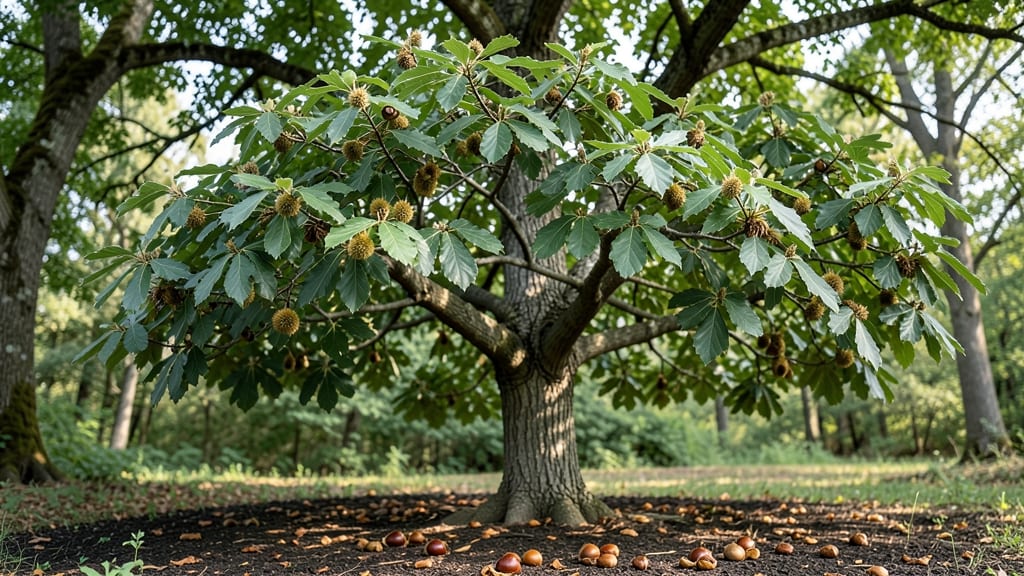
A chestnut tree grows how tall does a chestnut tree grow to 40 to 80 feet at maturity, towering like a natural cathedral over your yard 🌳—but the variety you choose determines whether you’ll need a ladder or just a sturdy step stool.
Picture this: You plant a seedling in spring, dreaming of shade and harvests of sweet nuts, only to realize years later that your backyard isn’t big enough for a 70-foot giant.
The right choice depends on your space, soil, and patience—because some varieties shoot up 3 feet a year in their prime.
Below, I break down the height ranges by species, from the compact 'Colossal' chestnut (a misnomer, trust me) to the towering American chestnut, plus how fast they grow and what to watch for when planting.
Whether you’re planning a shade canopy or a small orchard, you’ll learn how to pick the perfect tree for your landscape—and avoid the "oops, it’s too big" moment down the road.


Chestnut tree height by species: from dwarf to giant varieties
Chestnut trees are stunning landscape additions, but their mature heights vary dramatically by species. Whether you're planning a shade tree for your backyard or a statement piece for a park, knowing these differences is key.
Some varieties reach skyscraper proportions, while others stay manageable for suburban spaces. Let's explore the height ranges and growth habits of the most popular chestnut species.
First, it's important to distinguish between true chestnuts (genus Castanea) and horse chestnuts (genus Aesculus). While both produce nuts, their growth patterns differ significantly.
True chestnuts like the American chestnut and European chestnut are the focus here, as they're the most commonly planted for both edible nuts and ornamental value.
| Species | Mature Height Range | Growth Rate (First 10 Years) | Notes |
|---|---|---|---|
| American Chestnut (Castanea dentata) | 60–80 ft | 3–5 ft per year | Fast-growing but often shorter due to blight susceptibility |
| European Chestnut (Castanea sativa) | 70–100 ft | 2–4 ft per year | Tallest true chestnut; thrives in Mediterranean climates |
| Japanese Chestnut (Castanea crenata) | 30–50 ft | 1–3 ft per year | More compact; excellent for smaller yards |
| 'Paradise' Chestnut (Hybrid) | 40–60 ft | 2–3 ft per year | Blight-resistant; popular for urban landscapes |
| 'Colossal' Chestnut (Hybrid) | 80–100 ft | 4–6 ft per year | Fastest-growing; needs ample space |
| Horse Chestnut (Aesculus hippocastanum) | 50–70 ft | 2–4 ft per year | Not edible; prized for ornamental flowers |
If you're working with limited space, the Japanese chestnut is your best bet, typically reaching 30–50 feet at maturity. This makes it ideal for suburban yards where taller varieties like the European chestnut (up to 100 feet) would overwhelm the landscape.
The 'Paradise' hybrid offers a middle-ground option, blending disease resistance with manageable size.
For those with large properties, the 'Colossal' chestnut is a showstopper, growing 4–6 feet per year in its youth. This rapid growth means it can reach 80–100 feet in just 20–30 years, making it a long-term investment for shade and wildlife habitat.
Just be prepared for its spreading canopy, which can reach 50–70 feet wide.
Growth rates vary significantly by species and environmental conditions. The American chestnut, once dominant in U.S. forests, now rarely reaches its full 60–80 foot potential due to chestnut blight.
However, blight-resistant hybrids like 'Paradise' are reviving its popularity. These hybrids often grow 2–3 feet per year, making them more predictable for landscape planning.
Soil quality and sunlight exposure also play crucial roles. Chestnut trees thrive in well-draining, slightly acidic soil with full sun exposure. In optimal conditions, the European chestnut can grow 3–4 feet per year for the first decade, while poor soil or shade slows growth significantly.
Always test your soil before planting to ensure your chosen variety will thrive.
When planning your landscape, consider not just the tree's height but also its canopy spread. A 100-foot-tall European chestnut can cast shade over a 2,000-square-foot area at maturity. For smaller spaces, the Japanese chestnut or 'Paradise' hybrid provide excellent shade without overwhelming your property.
If you're planting near power lines or structures, always check local regulations. Some municipalities require setback distances for trees exceeding 30 feet at maturity. The Japanese chestnut is often the safest choice for urban areas, while larger varieties should be reserved for parks or rural settings.
Remember that chestnut trees are long-lived, with some specimens reaching 300–500 years in ideal conditions. This longevity means your height choice today will impact your landscape for generations. Whether you opt for a compact Japanese chestnut or a tower
How fast do chestnut trees grow? Height progression by age
Understanding how fast a chestnut tree grows helps you plan your landscape with confidence. These trees start small but develop into towering giants over decades. The first five years are critical for establishing root systems, while the real height gains happen between years 5 and 15.
With proper care, a chestnut can reach its mature height within 20-30 years, though some varieties grow faster than others.
Most chestnut varieties follow a predictable growth pattern: slow early growth, rapid expansion in mid-life, and gradual height increases once mature. For example, a European chestnut might grow just 1-2 feet in its first year but add 5-10 feet annually during its teenage years.
Japanese chestnuts tend to grow slightly faster in their early years, while American chestnuts show steady, consistent growth throughout their lifespan.
Here’s a breakdown of typical height progression by age for common chestnut varieties, including the European chestnut, Japanese chestnut, and American chestnut. Use this as a guide to anticipate how your tree will develop over time.
During the first 5 years, chestnut trees focus on root development, so height gains are modest. However, once established, they can add 5-10 feet per year during their growth spurt phase.
For instance, a Japanese chestnut might reach 35-45 feet by age 10, while an American chestnut lags slightly behind at 25-35 feet. Proper soil drainage and full sun exposure accelerate this growth, so choose your planting location carefully.
By age 15, most chestnut trees have reached half their mature height. At this stage, growth slows slightly, but they continue adding 2-5 feet annually until they reach maturity.
For example, a European chestnut may hit 60-80 feet by age 20, while a Japanese chestnut could surpass 70 feet in the same timeframe. Patience is key—these trees are long-term investments that reward you with shade and nuts for decades.
If you’re planting a chestnut tree in a small yard, consider spacing it at least 30-40 feet from structures to accommodate its mature size. For larger properties, you can plant multiple trees to create a natural windbreak or wildlife habitat.
Regular pruning in early years can also help manage height, though it won’t drastically alter the tree’s natural growth trajectory. With the right care, your chestnut tree will become a stunning centerpiece of your landscape.