
How To
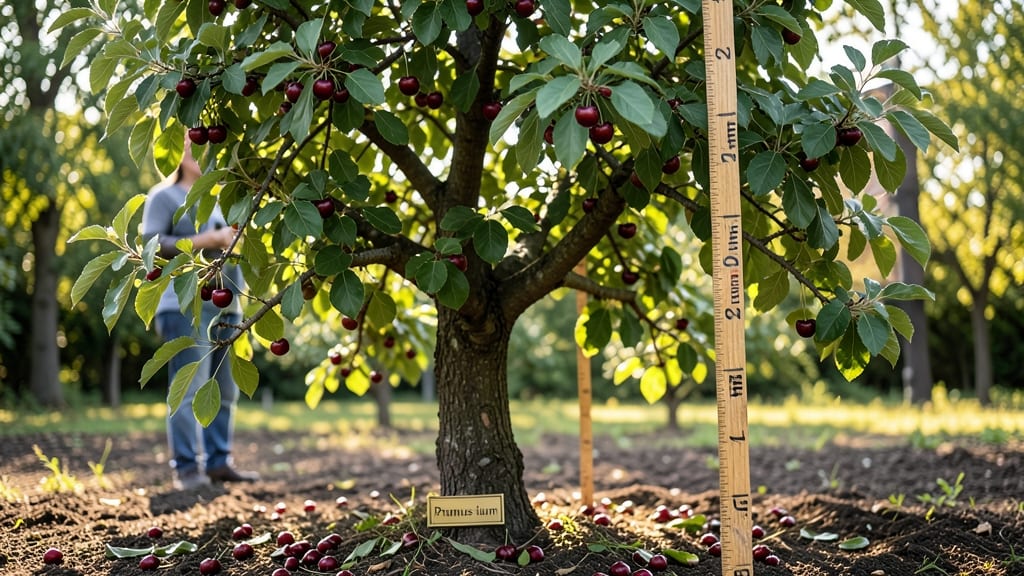
How tall does a cherry tree grow? The mature height of a cherry tree can range from a compact 8 feet to a towering 40 feet, depending entirely on the variety you choose.
Wondering whether your backyard can accommodate one? The difference between a dwarf 🍒 cherry and a standard variety isn’t just in height—it’s in the space, pruning, and care each demands.
A 10-foot tree fits neatly in a small yard, while a 30-foot giant needs room to spread its branches and roots.
Below, I break down the exact heights of popular sweet and sour varieties, how to control growth with pruning, and which dwarf options work best for containers or tight spaces.
You’ll also learn how soil, climate, and even your pruning schedule can influence just how tall your cherry tree will grow.
Whether you’re dreaming of a shade tree or a fruit-bearing giant, this guide ensures you pick the right size for your space—and keep it thriving for decades.


Cherry tree height by variety: dwarf to giant sizes explained
Choosing a cherry tree often comes down to one critical question: how tall will it grow? The answer varies wildly—from dwarf varieties under 10 feet perfect for containers to towering giants reaching 50+ feet that need acres of space.
Your yard's size and layout will determine which cherry tree variety fits best, so let's break down the exact mature heights you can expect.
Sweet cherries, tart cherries, and ornamental varieties all have different growth patterns. Some, like the 'Compact Stella', stay under 8 feet, while others like the 'Black Tartarian' standard can dwarf a two-story house.
Understanding these differences helps you avoid planting a 30-foot tree in a 10-foot-wide garden. Let's explore the key varieties and their mature sizes.
📌 Pro Tip: Always check your local nursery's specific growing conditions—some varieties may grow slightly taller or shorter based on climate, soil quality, and pruning habits. For example, a 'Stella' cherry might reach 12 feet in a warm, fertile soil but stay under 8 feet in cooler, poorer soil.
| Variety | Type | Mature Height (ft) | Growth Rate (ft/year) | Best For |
|---|---|---|---|---|
| 'Compact Stella' | Sweet Cherry (Dwarf) | 6-8 ft | 1-2 ft | Containers, small yards |
| 'Stella' | Sweet Cherry (Dwarf) | 8-12 ft | 1-2 ft | Small gardens, urban areas |
| 'Montmorency' | Tart Cherry (Standard) | 15-20 ft | 2-3 ft | Large yards, orchards |
| 'Black Tartarian' | Tart Cherry (Standard) | 25-35 ft | 2-4 ft | Rural properties, large estates |
| 'Bing' | Sweet Cherry (Standard) | 30-40 ft | 3-5 ft | Commercial orchards |
| 'Rainier' | Sweet Cherry (Standard) | 25-35 ft | 2-4 ft | Large backyards, farms |
| 'North Star' | Tart Cherry (Semi-Dwarf) | 12-18 ft | 1.5-2.5 ft | Medium-sized yards |
| 'Columnar Black Tartarian' |
How to control cherry tree height: pruning and care tips for compact growthIf your cherry tree is reaching for the sky faster than you'd like, don't worry—you're not powerless. With the right pruning techniques and growth management strategies, you can keep your tree at a height that fits your space. The key is understanding when and how to prune, especially since sweet cherries and tart cherries have different needs. Let's dive into the steps to maintain a manageable height while keeping your tree healthy and productive. Start by choosing the right pruning season. For most cherry trees, late winter or early spring (just before buds swell) is ideal. This timing ensures you remove unwanted growth before the tree puts energy into new branches. However, if your tree is suckering excessively or growing too tall too quickly, you might need to prune in summer as well. Always use sterilized tools to prevent disease spread, especially with tart cherries, which are prone to bacterial canker. Step-by-Step Guide to Pruning for Compact Growth
Beyond pruning, consider root restriction techniques if your cherry tree is still growing too tall. Planting in a large container or using root barriers can limit the tree's access to water and nutrients, naturally slowing its growth. Pair this with well-draining soil amended with compost to ensure the tree stays healthy while growing more slowly. Remember, tart cherries respond well to heavier pruning, while sweet cherries may need a gentler approach to avoid stress. For sweet cherries, prune immediately after harvest to remove sucker growth and shape the tree. Avoid heavy pruning in late summer or fall, as this can stimulate new growth that won't harden off before winter. Tart cherries, on the other hand, benefit from winter pruning to remove dead wood and open the canopy. Always prune tart cherries when the tree is dormant to minimize disease risk. Finally, don't forget that patience is key. Cherry trees grow quickly, but with consistent care, you can manage their height over time. Combine pruning, root restriction, and proper soil care to keep your tree at a manageable size while ensuring it remains productive and healthy. With these techniques, even a 30-foot giant can become a compact beauty in your backyard. |