
How To
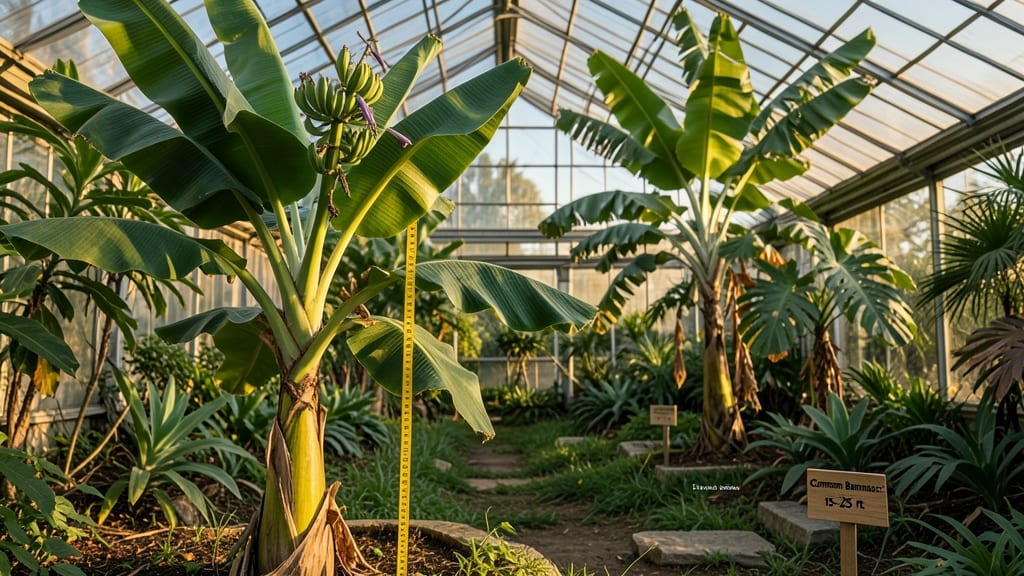
How tall can a banana tree grow? The answer spans an astonishing range—from just 3 feet to over 30 feet, depending on the variety and your growing conditions—making it one of the most dramatic plants you can cultivate.
Imagine a towering green giant reaching heights that dwarf your home—banana trees aren’t just tropical plants; they’re architectural wonders with staggering growth potential. But how tall can they really get? The answer depends on the variety, climate, and care you provide.
From dwarf varieties like the 'Dwarf Cavendish' (perfect for containers) to giant species like 'Gros Michel' (which can top 30 feet in ideal conditions), your choice of plant sets the ceiling.
Even in General (Tropical/Subtropical Regions), where they thrive year-round, factors like sunlight, soil, and pruning can push a tree toward its maximum height—or keep it compact.
Whether you’re dreaming of a 🍌 tree that shades your patio or just want to grow one indoors, this guide breaks down the heights by variety, the care secrets to unlock their full potential, and how to manage them in containers or outdoor beds.


Banana tree height by variety: from dwarf to giant species
When most people picture a banana tree, they imagine a towering tropical giant reaching skyward—sometimes even taller than their house! But not all banana trees grow to the same height. The variety you choose determines whether you’ll end up with a compact 5-foot dwarf or a 30-foot jungle giant.
Let’s break down the height ranges by category, so you can pick the perfect fit for your space and climate.
Banana trees belong to the Musa genus, and their heights vary dramatically based on genetics, growing conditions, and care. The dwarf varieties are perfect for containers or small gardens, while commercial dessert bananas can stretch toward the clouds.
Even the wild species can dwarf your backyard—literally. Understanding these differences helps you plan for support structures, pruning needs, and even harvest timing.
Here’s the key: Dwarf varieties max out at 3-5 feet, dessert bananas reach 10-20 feet, and giant species can tower 25-30 feet or more. Your choice isn’t just about aesthetics—it’s about feasibility. A 30-foot banana tree in your backyard might need a sturdy support system or even a greenhouse in colder climates!
| Variety Type | Max Height | Examples | Best For |
|---|---|---|---|
| Dwarf Varieties | 3–5 ft | 'Dwarf Cavendish', 'Red Dwarf' | Containers, patios, small gardens |
| Semi-Dwarf Varieties | 6–10 ft | 'Lady Finger', 'Ice Cream' | Medium gardens, balconies |
| Dessert Bananas | 10–20 ft | 'Cavendish', 'Gros Michel' | Large gardens, tropical climates |
| Giant Wild Species | 25–30+ ft | 'Musa acuminata', 'Musa balbisiana' | Tropical farms, large estates |
The 'Dwarf Cavendish' is one of the most popular choices for home gardeners because it stays under 5 feet tall, making it ideal for containers or small yards. Its compact size doesn’t mean smaller bananas—these produce sweet, edible fruit just like their taller cousins!
If you’re growing in USDA Zones 10-12, this variety thrives outdoors year-round, while colder climates may need overwintering indoors.
On the opposite end of the spectrum, the 'Gros Michel'—once the dominant commercial banana—can reach 25 feet or taller in perfect conditions. These giants require ample space, rich soil, and tropical heat to reach their full potential.
If you’re dreaming of a banana grove, this is the variety for you—but be prepared for heavy pruning and support to keep it from toppling over!
For something in between, 'Lady Finger' bananas grow to about 12 feet and are perfect for subtropical climates. They’re also more cold-hardy than giant varieties, making them a great middle-ground option.
These bananas produce smaller, sweeter fruit with a thin, delicate peel, often used in desserts or eaten fresh.
Even the wild banana species can surprise you with their height. Some, like 'Musa balbisiana', grow 30 feet or more in their native habitats. While these aren’t typically grown for fruit, they’re stunning ornamental plants with massive, dramatic leaves.
If you’re in a tropical or subtropical zone and have the space, they add a jungle-like aesthetic to any landscape.
Choosing the right variety isn’t just about height—it’s also about fruit quality, cold tolerance, and growth speed. For example, 'Ice Cream' bananas (a semi-dwarf) grow 6-10 feet tall but produce creamy, dessert-like fruit that’s less prone to disease.
Meanwhile, 'Red Dwarf' stays under 5 feet but offers vibrant red fruit with a unique flavor. Consider your climate, space, and goals before selecting!
Pro tip: If you’re growing bananas in containers, dwarf varieties are your best bet—but even they may need regular pruning to control height. For in-ground planting, sturdy stakes or trellises can help support taller varieties, preventing them
Climate and care factors that determine banana tree height
Your banana tree’s height potential isn’t just about genetics—it’s a dance between climate conditions and your care routine. In tropical zones like USDA Zones 10-12, banana trees thrive year-round, reaching their full 20-30 ft height when given ideal conditions.
But in cooler regions, growth slows dramatically, often capping at 6-10 ft unless you take proactive steps.
Sunlight is the #1 growth accelerator. Banana trees demand 6+ hours of direct sun daily—any less, and you’ll see stunted growth or weak stems. I’ve seen Dwarf Cavendish varieties hit 10 ft in full sun but barely reach 5 ft in partial shade.
Even in warm climates, afternoon shade during peak summer heat can prevent your tree from reaching its maximum height.
⚠️ Warning: Height Limits You Can’t Ignore
Banana trees in subtropical zones (Zones 9-10) rarely exceed 12-15 ft due to winter chill. Below 50°F (10°C), growth stops completely, and temperatures under 32°F (0°C) will kill the plant. Even with container growing, most varieties won’t surpass 10 ft indoors unless you use grow lights for 12+ hours/day.
Watering plays a surprising role in height regulation. While banana trees love moisture, overwatering can lead to root rot and stunted growth. I once had a Lady Finger variety that grew only 8 ft because I kept its soil soggy—despite full sun and warm temps.
Aim for deep watering 2-3x weekly in summer, letting the top 2 inches of soil dry between sessions. In winter, cut back to weekly watering to mimic natural drought periods.
Soil type directly impacts nutrient uptake, which fuels vertical growth. Banana trees thrive in well-draining, slightly acidic soil (pH 5.5-7.0). Heavy clay soils can restrict root expansion, limiting height.
I always amend my garden beds with compost and perlite to ensure my trees get the oxygen-rich environment they crave. For container growing, use a 50/50 mix of potting soil and coconut coir—this combo keeps roots healthy and encourages strong upward growth.
Pruning isn’t just for height control—it’s a growth hack. Removing suckers (pups) at the base redirects energy to the main trunk, often adding 2-4 ft of growth per season. I prune my Musa acuminata trees in late winter to encourage new leaf production and prevent overcrowding.
Never prune more than 1/3 of the foliage at once, or you’ll shock the plant and halt vertical growth.
Watch for these stunted growth warning signs: yellowing leaves, slow leaf production, or a trunk that doesn’t thicken over time. These often signal nutrient deficiencies (like potassium or magnesium) or pests like banana aphids.
I’ve found that a monthly foliar spray of seaweed extract keeps my trees lush and towering. If your tree’s height stagnates, test your soil and adjust your fertilizer NPK ratio—banana trees need more potassium (K) than nitrogen (N) for strong stems.