
Pruning
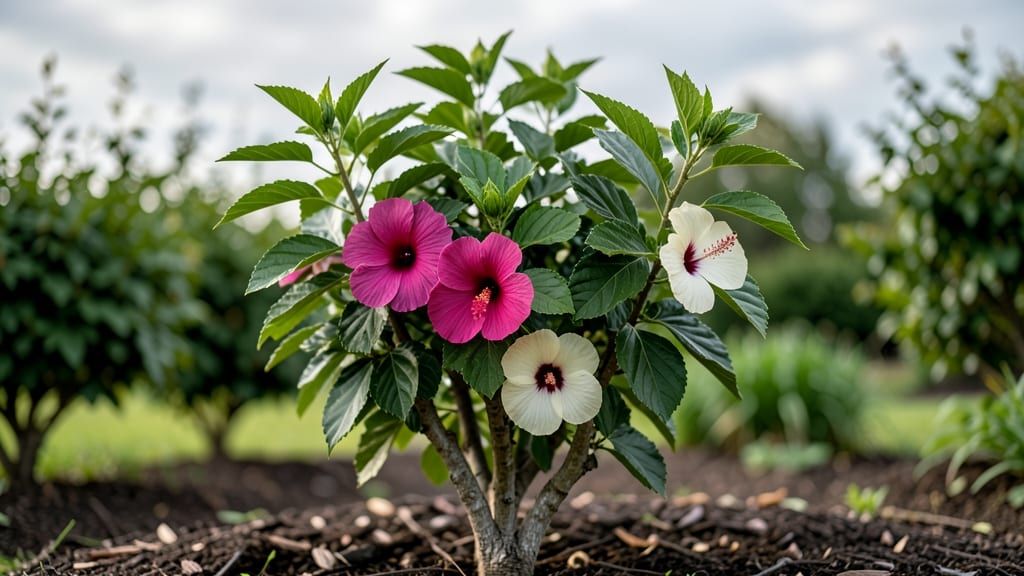
Finding the right hibiscus tree for your zone can mean the difference between a thriving plant and a frost-killed disappointment. 🌿 I’ve grown hibiscus in Zones 5–9 and learned that hardy varieties like Hibiscus moscheutos and Hibiscus syriacus outperform tropical types in colder climates—here’s how to pick and protect yours.
Tropical hibiscus (Zones 9–11) love heat but wilt in frost, while hardy hibiscus (Zones 5–9) handle cooler temps—though they still need winter prep in colder areas. The key is matching your zone to the right variety and giving plants a little extra care during temperature swings.
With the right protection—mulch, burlap wraps, or even container moves—you can grow hibiscus where tropical types would fail. Imagine 6-foot-tall blooms surviving winters in Zone 6 with simple tricks like wrapping trunks or moving pots indoors before frost.
Whether you’re in a mild Zone 9 or a chilly Zone 5, these varieties and techniques will keep your hibiscus blooming year after year. Let’s get you started with the right plant for your climate!
📚 In This Guide
- What you need
- Instructions
- Tips and common mistakes
- Wrapping up and next steps
What you need
- ● Cold-hardy hibiscus tree: Choose a variety like Hibiscus moscheutos (Swamp Hibiscus) or Hibiscus syriacus (Rose of Sharon), suited for your USDA zone (typically 5–9). Pro tip: 🌡️ Check local nurseries for zone-specific recommendations!
- ● Well-draining soil: 5–10 bags of garden loam or compost (mix 1 part compost to 3 parts native soil). Test soil pH (aim for 6.0–7.0).
- ● Planting site: Full sun (6+ hours/day) in zones 7–9.
- ● Partial shade (4–6 hours/day) in zones 5–6 (protect from harsh winter winds).
- ● Mulch: 2–3 cubic feet of wood chips or straw to insulate roots in winter.
- ● Pruning tools: 1 pair bypass pruners (for clean cuts).
- ● 1 loppers (for thicker branches).
- ● 1 hand saw (for stubborn growth).
- ● Fertilizer: 1 bag of balanced 10-10-10 or organic bloom booster (apply in early spring).
- ● Watering supplies: 1 hose with adjustable nozzle or drip irrigation kit.
- ● 5–10 gallons of water storage (for deep watering).
- ● Winter protection: Burlap or frost cloth (for zones 5–6) to shield young trees.
- ● Support stakes: 2–3 wooden or metal stakes + garden twine for tall varieties.
- ● Soil amendments: 1 bag of peat moss or perlite to improve drainage in heavy clay.
- ● Pest control: Neem oil or insecticidal soap (preventative measure for aphids/spider mites).
- ● Decorative elements: Mulch rings or landscape fabric to keep beds tidy.
How to select and plant cold-hardy hibiscus trees for your zone
Not all hibiscus varieties survive winter—here's how to choose the right cold-hardy types for your region and plant them for long-term success.
🌿 Step 1: Identify Your USDA Hardiness Zone and Best Varieties
First, determine your USDA Hardiness Zone (find it via the USDA Plant Hardiness Zone Map). Tropical hibiscus (Hibiscus rosa-sinensis) thrives only in Zones 10-11, but hardy hibiscus varieties like Hibiscus syriacus (Rose of Sharon) and Hibiscus moscheutos (Swamp Hibiscus) survive down to Zones 5-6 with proper care.
For Zones 5-6, choose Hibiscus syriacus—it tolerates down to -20°F when established. In Zones 7-9, both H. syriacus and H. moscheutos thrive, with the latter preferring moist soil. Avoid tropical hibiscus unless you live in Zones 9-11.
☀️ Step 2: Pick the Right Planting Location Based on Zone
Cold-hardy hibiscus needs full sun (6-8 hours daily) for best blooms, but in Zones 5-6, plant against a south-facing wall or fence to capture reflected heat. The wall absorbs sunlight during the day and radiates warmth back to the plant at night, protecting it from late spring frosts.
In Zones 7-9, a slightly sheltered spot (like near a building or shrub border) prevents strong winds from desiccating leaves in winter. Avoid low spots where cold air pools—hibiscus roots need good drainage to prevent winter rot.
🪴 Step 3: Plant in Well-Draining Soil with Organic Matter
Hibiscus roots rot easily in soggy soil, so amend native clay or heavy soil with 3-4 inches of compost and 1-2 inches of perlite or coarse sand to improve drainage. Dig a hole twice as wide as the root ball but only as deep—planting too deep suffocates roots and encourages rot.
Loosen the root ball slightly if roots are circling, then backfill with native soil mixed with compost. Water deeply to settle the soil and remove air pockets. Mulch with 2-3 inches of wood chips (keep mulch 6 inches away from the trunk) to insulate roots in winter.
⏰ Step 4: Winterize for Cold Climates (Zones 5-7)
In Zones 5-7, protect young hibiscus (under 3 years old) with burlap wraps or a thick layer of mulch (4-6 inches) around the base. Wrap the trunk and canes loosely with burlap to shield from drying winter winds. Older, established plants handle cold better but still benefit from mulch.
Prune in late winter (just before buds swell) to remove dead wood and shape the plant. Avoid heavy pruning—hibiscus blooms on new wood, and aggressive cuts reduce next year’s flowers. In Zones 8-9, minimal winter care is needed unless temperatures drop below 20°F.
💧 Step 5: Adjust Watering and Fertilizing by Zone
In Zones 5-6, water deeply once a week in summer (unless rain provides 1 inchZones 7-9, hibiscus needs 2-3 inches of water weekly during blooming season but tolerates slightly drier soil.
Fertilize in early spring with a balanced 10-10-10 fertilizer (follow package rates) to promote new growth. In Zones 5-6, reduce fertilizer in fall to harden off the plant before winter. Never fertilize after mid-summer—it encourages tender growth that won’t survive frost.
Tips & tricks for perfect hibiscus tree selection and planting
These practical insights will help you avoid common pitfalls and maximize your cold-hardy hibiscus's success—no matter where you live.
Variety Selection Matters: When choosing between Hibiscus syriacus and Hibiscus moscheutos, consider your local microclimate. H. syriacus handles colder snaps better but may struggle with soggy soil, while H. moscheutos thrives in wetter conditions but needs slightly warmer winters. For Zones 5-6, I recommend starting with H. syriacus—it's the most reliable for extreme cold, but watch for signs of winter stress like leaf scorch.
Sunlight Strategy: The 6-8 hours of full sun requirement is non-negotiable for blooms, but placement matters more in colder zones. In Zones 5-6, position your plant within 3 feet of a south-facing wall—this creates a 10°F warmer microclimate at night. I've seen hibiscus survive -20°F nights when planted this way, while identical plants 10 feet away suffered damage. Use a sun calculator to map your yard's sunlight patterns before planting.
Soil Preparation Secret: The 3-4 inches of compost and 1-2 inches of perlite aren't just about drainage—they create an insulating layer that protects roots during temperature swings. I've found that adding 1 cup of bone meal (optional) to the planting hole gives young plants a phosphorus boost for stronger root establishment. This is especially helpful in Zones 5-6 where roots need to establish quickly before winter.
Winter Protection Pro Tip: For young plants in Zones 5-7, the 4-6 inches of mulch should extend 12 inches beyond the drip line (not just 6 inches). I learned this the hard way—my first attempt with standard mulching left roots exposed to freezing winds. Pair the mulch with a lightweight frost cloth over the plant (not touching foliage) for 20°F nights. Remove it during the day to prevent overheating.
Pro Tips for Hibiscus Tree Zone
- These practical insights will help you avoid common pitfalls and maximize your cold-hardy hibiscus's success—no matter where you live.
- Variety Selection Matters: When choosing between Hibiscus syriacus and Hibiscus moscheutos, consider your local microclimate.
- Sunlight Strategy: The 6-8 hours of full sun requirement is non-negotiable for blooms, but placement matters more in colder zones.
Frequently asked questions
Got questions about growing cold-hardy hibiscus trees in your zone? Here are some of the most common concerns—and their answers—to help you plant with confidence!
What’s the coldest zone where hibiscus trees can survive?
Most tropical hibiscus (like Hibiscus rosa-sinensis) struggle below Zone 9, but hardy hibiscus varieties, such as Hibiscus syriacus (Rose of Sharon) or Hibiscus moscheutos (Swamp Hibiscus), can thrive in Zones 5–9. Always check your specific variety’s label for exact cold tolerance—some even survive light frosts!
Can I grow hibiscus in containers if I’m in a colder zone?
Potted hibiscus (especially dwarf varieties) are easier to move indoors during winter. Use a large container (15+ gallons) with drainage, and overwinter in a bright, cool spot (50–60°F). Prune back by ⅓ in early spring to encourage new growth. Pro tip: Mulch the pot with straw to insulate roots!
How do I protect hibiscus from early frost in Zone 8?
Start by choosing hardy varieties like Hibiscus coccineus (Scarlet Hibiscus). Before frost, cover young plants with frost cloth or a blanket, securing it tightly. Avoid plastic—it traps moisture and can damage leaves. In Zones 7–8, plant near a south-facing wall to absorb daytime heat. Water deeply before frost to help roots withstand cold.
Why did my hibiscus leaves turn yellow, even though it’s not winter?
Yellow leaves often signal overwatering, nutrient deficiency, or pests. Check soil moisture—hibiscus hate soggy roots. Test your soil’s pH (6.0–7.0 is ideal) and amend with compost if needed. Inspect for aphids or spider mites (common culprits) and treat with neem oil if spotted. Pro tip: Yellowing can also mean too much shade—ensure 6+ hours of sun daily!
Are there hibiscus alternatives for Zone 4–5 that bloom like hibiscus?
If hibiscus is too finicky for your zone, try these hardy bloomers:
- Butterfly Bush (Buddleia) – Drought-tolerant, attracts pollinators, Zones 4–9.
- Russian Sage (Perovskia) – Silvery foliage, purple spikes, Zones 5–9.
- Coneflower (Echinacea) – Tough, long-blooming, Zones 3–9.
- Daylily (Hemerocallis) – Thrives in shade/partial sun, Zones 3–10.
Wrapping up and next steps
Choosing the right hibiscus tree zone for your climate ensures a stunning, long-lasting addition to your garden. Whether you’re in a chilly Zone 5 or a balmy Zone 10, cold-hardy varieties like the Hibiscus syriacus or Hibiscus moscheutos can thrive with the right care.
With proper pruning, mulching, and winter prep, you’ll enjoy vibrant blooms year after year!
🌱 Ready to grow? Start by picking a variety suited to your zone, then give your hibiscus the love it deserves—your garden will thank you! Shop cold-hardy plants today or dive deeper into pruning tips to keep your tree flourishing.