
Pruning
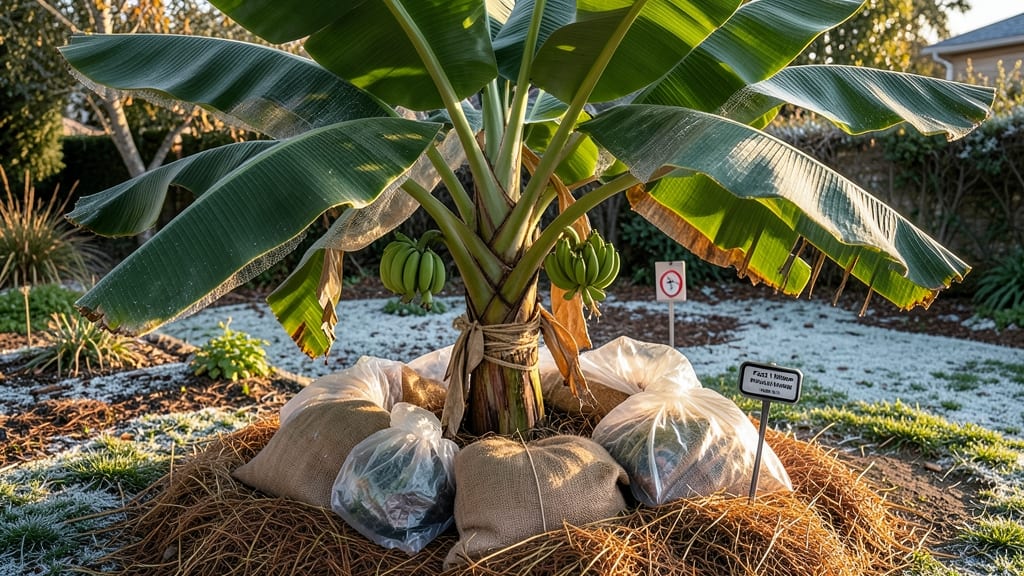
When your banana tree faces banana tree winter protection, think of it as building a cozy blanket fort—except this one has to survive sub-freezing temps. 🌿 I’ve watched my own tropical plants shiver through unexpected cold snaps, and the difference between a thriving plant and a sad, brown mess comes down to smart layering and timing.
The key is acting before the first frost hits, not after the damage is done.
Start with 3-4 inches of straw mulch around the base, then add a thick layer of burlap or frost cloth wrapped snugly around the trunk and leaves.
For potted plants, move them to a garage or sheltered spot where temps stay above 35°F—just don’t let them bake in direct sunlight. The goal is to mimic their natural tropical environment without smothering the roots.
By spring, you’ll see new fronds unfurling like clockwork, proof that your banana tree survived the winter stronger than ever. The secret isn’t just covering it up—it’s monitoring temps and adjusting layers as needed.
Too much mulch can rot the roots, while too little leaves gaps for cold air to sneak in.
Works for both in-ground and container plants, whether you’re in Zone 9 or pushing the limits in Zone 8. The same principles apply—just tweak the timing based on your first frost date. Here’s how to do it right the first time.
📚 In This Guide
- What you need
- Instructions
- Tips and common mistakes
- Wrapping up and next steps
What you need
- ● Straw or Pine Needles: 4–6 inches (10–15 cm) thick, enough to cover the base of the tree and extend outward 2–3 feet (60–90 cm). (Opt for locally sourced, weed-free options!)
- ● Burlap or Frost Blanket: 1–2 sheets (6’x8’ each), breathable but thick enough to block wind and light frost. (Avoid plastic—it traps moisture!)
- ● Cardboard or Newspaper: 2–3 sheets (for a moisture barrier under mulch). (Recycle old boxes or flatten layers securely.)
- ● Garden Twine or Staple Gun: To secure blankets and mulch in place.
- ○ Thermal Mulch (Optional but Helpful): Black plastic sheeting (4–6 mil thickness) for extra insulation under mulch in Zone 9 or colder.
- ● Garden Rake: For spreading mulch evenly.
- ● Scissors or Utility Knife: To trim burlap/blankets to size.
- ○ Watering Can (Optional): Lightly dampen mulch before applying to prevent dust.
- ● Stakes or Bricks: 4–6 units to weigh down edges of blankets (prevents wind lift).
- ○ Thermometer (Optional): Soil probe type to monitor root-zone temps (ideally 45–50°F / 7–10°C).
Step-by-step instructions for protecting banana trees in winter
Here's how to shield your banana tree from frost using a simple, effective layered approach.
🌱 Step 1: Choose the Right Location for Protection
Move your banana tree to a sheltered spot before the first frost hits. I always pick a location near a south-facing wall or under an overhang—these spots trap residual heat and provide wind protection. Avoid open areas where cold air pools. If your tree is in a container, roll it to a garage or covered patio if temperatures will dip below 28°F.
Check the microclimate around your yard—some spots stay warmer even when others freeze. You’ll notice this by how frost lingers longer in low areas or open fields. A sheltered corner with reflected sunlight works best. If you can’t move the tree, proceed with on-site protection.
🪴 Step 2: Apply a Base Layer of Mulch
Spread 4-6 inches of straw or dried leaves around the base of the tree, extending outward 18-24 inches from the trunk. This layer insulates the roots and prevents soil temperature swings. I like straw because it breaks down slowly and provides extra warmth over time. Avoid using fresh grass clippings—they mat down and trap too much moisture.
Press the mulch lightly against the trunk to create a snug barrier. The goal is to mimic the natural insulation of a forest floor. If your tree is in a pot, wrap the container in bubble wrap or thick cardboard first to add an extra insulating layer. This prevents heat loss through the sides.
☀️ Step 3: Build a Mulch Mound Around the Trunk
Pile additional mulch—straw, pine needles, or shredded bark—into a 12-inch high mound around the trunk. Shape it like a volcano, wider at the base and tapering toward the top. This mound traps heat radiating from the soil and protects the pseudostem from cold air. I always use pine straw for this layer because it’s naturally pest-resistant and holds its structure well.
Leave a small gap at the top of the mound to allow rainwater to drain. If your tree is in a pot, place the container on wooden pallets or cinder blocks to elevate it slightly—this prevents waterlogged soil from freezing solid. Check the mound weekly and add more mulch if it settles or decomposes.
✂️ Step 4: Wrap the Trunk for Extra Protection
Cover the pseudostem with burlap, frost cloth, or cardboard secured with twine or staples. Avoid plastic—it traps moisture and can cause rot. Start wrapping 6 inches above the mulch mound and extend it 2 feet higher than the expected frost line. This barrier blocks cold winds and reduces heat loss. I like to double-wrap the trunk for extra insulation, especially in areas with hard freezes below 25°F.
Leave the top of the tree exposed—banana trees need light to survive, even in winter. If you’re in a region with prolonged sub-freezing temps, add a clear plastic dome (like a large cloche) over the entire tree to trap heat. Remove it during the day if temperatures rise above 40°F to prevent overheating.
💧 Step 5: Monitor and Adjust Through Winter
Check your banana tree every 7-10 days to ensure the mulch hasn’t decomposed or shifted. Add more layers if the mound looks flattened or if cracks appear in the insulation. If you notice ice forming on the mulch, it’s a sign the protection isn’t thick enough—add another 2-3 inches of straw immediately. Overwatering in winter is a common mistake—only water if the soil feels dry 2 inches below the surface.
Watch for signs of stress, like yellowing leaves or wilting, which can indicate the tree is too cold or too wet. If the trunk feels damp to the touch, the insulation might be trapping moisture. In that case, fluff the mulch or add a dry layer of leaves on top. With these layers in place, your banana tree can survive light freezes down to 25°F—and with extra care, even brief dips to 20°F.
Tips & tricks for perfect banana tree winter protection
These practical strategies will help you maximize your banana tree's survival chances during cold snaps.
Microclimate Mastery: Before moving your tree, scout your yard for the warmest spots. I always check where frost lingers longest—those are the coldest areas. South-facing walls or corners with reflected sunlight can make a 10°F difference in overnight temperatures. If you're unsure, use a simple thermometer to test different locations before the first frost.
Layering Like a Pro: The key to effective insulation is layering—think of it like putting on multiple sweaters. Start with the 4-6 inch base layer of straw or dried leaves as your foundation, then build the 12-inch mound to trap radiant heat. For containers, I double-wrap with bubble wrap first, then add mulch—this creates an air pocket that's 30% more insulating than mulch alone.
Material Matters: Not all mulches are created equal. Straw breaks down slowly, pine needles repel pests, and shredded bark provides excellent drainage. Avoid using fresh grass clippings—they compact and trap moisture, creating ideal conditions for rot. I keep a mix of straw and pine needles on hand specifically for winter protection.
Monitoring System: Set a reminder to check your tree every 7-10 days—this isn't optional. Look for signs like ice forming on mulch (add 2-3 more inches immediately) or the mound settling (fluff and add fresh material). I mark my calendar with frost alerts from the National Weather Service to stay ahead of sudden temperature drops.
Pro Tips for Banana Tree Winter Protection
- These practical strategies will help you maximize your banana tree's survival chances during cold snaps.
- Microclimate Mastery: Before moving your tree, scout your yard for the warmest spots.
- Layering Like a Pro: The key to effective insulation is layering—think of it like putting on multiple sweaters.
Frequently asked questions
Got questions about keeping your banana tree cozy during winter? Here are some of the most common concerns—and their solutions!
Do banana trees really need winter protection in cold climates?
Yes! While banana trees thrive in tropical warmth, they’re not frost-hardy. Even a light freeze (below 32°F/0°C) can damage leaves, and temps under 28°F (-2°C) can kill the plant. If you live in USDA Zones 9-11, protection is a must—especially for younger trees or newly planted varieties.
When should I start preparing my banana tree for winter?
Start 4-6 weeks before the first expected frost (usually late fall). This gives you time to mulch, wrap, or relocate the tree safely. If you’re using a mulch shield, apply it gradually to avoid overheating the roots. Pro tip: Monitor your local weather app for first frost dates—don’t wait until the last minute!
What’s the best temperature range for overwintering a banana tree?
Aim to keep the tree’s roots and pseudostem (the thick trunk-like base) above 50°F (10°C). If temps drop below 40°F (4°C), the tree may suffer stress. In extreme cold (<20°F/-7°C), consider moving potted banana trees indoors or to a garage. For in-ground plants, layered mulch can add 5–10°F of insulation!
Can I use regular mulch, or do I need something special?
Regular mulch (like straw or wood chips) helps, but banana trees need extra insulation. Combine it with bubble wrap, burlap, or even a DIY frame covered with frost cloth for better protection. Avoid plastic directly on the trunk—it traps moisture and can cause rot. Bonus: Add a layer of leaves or pine needles on top for added warmth!
My banana tree’s leaves are brown and crispy after winter—what went wrong?
Don’t panic! Leaf damage is common, but the pseudostem (trunk) is the real indicator of survival. If it’s still firm and green inside when you cut it open, the tree is likely alive—it’ll regrow in spring. If the trunk is mushy or black, it may have died. Prevention tip: Next winter, add extra mulch depth (12+ inches) and check for drafts near the base.
Can I grow banana trees in containers for easier winter care?
Potted banana trees are easier to move indoors (like a sunny garage or basement) or wrap them in insulation. Just ensure the pot has drainage holes and use a lightweight potting mix. In spring, harden off the tree gradually before returning it outside. Warning: Large pots can be heavy—use a dolly if needed!
Wrapping up and next steps
Protecting your banana tree from winter’s chill doesn’t have to be a guessing game—with the right mulch layers and a little prep, you can keep your tropical beauty thriving even in colder months. 🌱 The key is acting early, insulating roots, and monitoring moisture, so your tree wakes up strong in spring. Now’s the time to roll up your sleeves: gather supplies, prep your tree, and layer that mulch like a pro.
Your banana tree (and your future harvest!) will thank you.
Next step? Grab your tools and start today—before the first frost sets in!