
Pruning
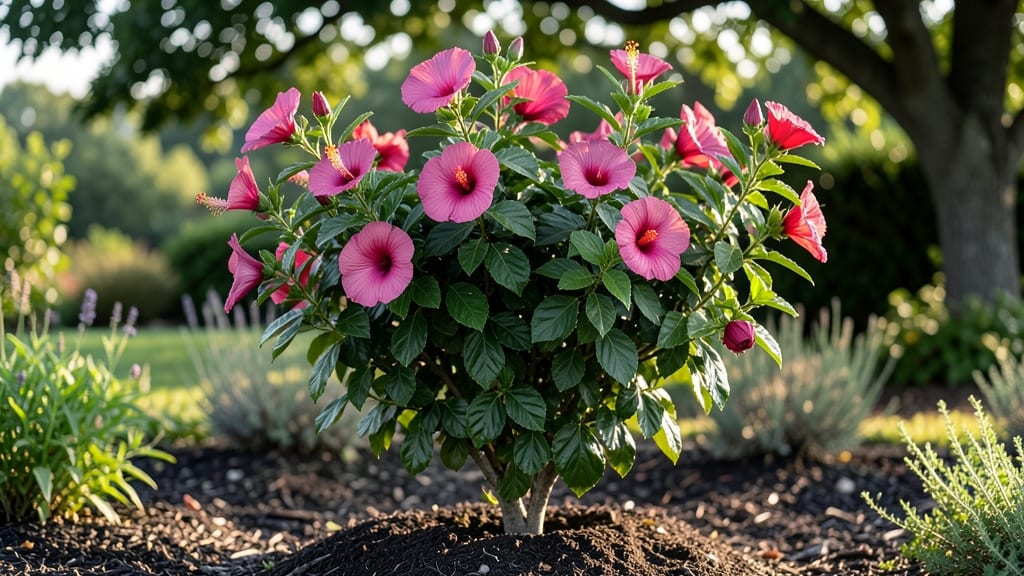
The ideal hibiscus tree temperature range spans USDA zones 4-11, where daytime highs between 60°F and 95°F and nighttime lows above 50°F support healthy growth. Most varieties face irreversible damage below 30°F, while tropical types perish in frost—though cold-hardy hibiscus like Hibiscus moscheutos can endure brief 20°F dips with protection.
Hibiscus trees act like temperature-sensitive divas—too hot, and their leaves crisp like autumn leaves; too cold, and their roots freeze solid. 🌡️ The key is finding that goldilocks zone where daytime warmth fuels blooms while nighttime chills stay above 50°F.
I’ve seen tropical hibiscus wilt dramatically when temps dip below 60°F, while hardy varieties like Hibiscus moscheutos shrug off 20°F with a little winter prep. Even a single frost night can kill tender types, so knowing your local microclimate makes all the difference.
For container-grown hibiscus, move them indoors before 40°F nights—balconies and patios become death traps in winter. Mulching with straw and wrapping pots in burlap adds 5-10°F of protection, while shade cloth in summer prevents leaf scorch during 95°F+ heatwaves.
The secret? Monitoring nighttime lows more than daytime highs—they’re what actually kills hibiscus.
💡 In This Article
- How Temperature Affects Hibiscus Growth and Survival
- Protecting Hibiscus Trees in Extreme Weather Conditions
How temperature affects hibiscus growth and survival
Hibiscus trees rely on a delicate balance of warmth to fuel their metabolic processes. During the day, temperatures between 60°F and 95°F trigger optimal photosynthesis, where chlorophyll absorbs sunlight to convert carbon dioxide into energy.
When daytime temps drop below 60°F, the plant’s growth slows dramatically—leaves may yellow or curl as the stomata (pores) close to conserve moisture. Conversely, sustained exposure to 95°F+ heat causes leaf edges to brown and crisp, a condition called "heat scorch," where cellular membranes rupture from dehydration.
The real danger lies in nighttime temperatures. Most hibiscus varieties need nights above 50°F to recover from daytime heat stress. Below 40°F, the plant’s cellular respiration slows, and critical enzymes like ATP synthase (which powers energy production) malfunction.
Tropical hibiscus, like Hibiscus rosa-sinensis, face irreversible damage when temps hit 32°F—their thin leaves and shallow roots freeze solid, while hardy types like Hibiscus moscheutos can tolerate 20°F for short periods due to thicker stems and deeper root systems. 🌡️
Cold damage manifests in stages: first, buds blacken and drop; then, leaves wilt and turn mushy. The roots, which absorb water and nutrients, are the last to fail—often rotting if exposed to prolonged frost.
In contrast, heat stress causes wilting even with adequate water, as the plant’s transpiration rate outpaces root uptake. This is why hibiscus in containers dry out faster in summer—their roots have less soil to draw moisture from.
Seasonal shifts also matter. Hibiscus grown in USDA zones 4-7 enter dormancy in winter, shedding leaves to conserve energy. Without this adaptation, tropical hibiscus would perish in freezing temps. Even in mild winters, nighttime lows below 50°F can stunt growth, as the plant diverts resources to survival rather than flowering.
The key difference? Hardy hibiscus resume growth in spring with minimal stress, while tropical types may take months to recover from cold snaps.
Consider this comparison: A tropical hibiscus in zone 10 thrives year-round, while a Hibiscus moscheutos in zone 5 may lose leaves but regrow from the roots. The physiological difference lies in their cold acclimation—hardy types produce protective sugars (like proline) that act as antifreeze in cells.
Tropical varieties lack this mechanism, making them frost-sensitive. 🌿
For gardeners, this means choosing the right hibiscus for your climate. Tropical types need year-round warmth, while hardy varieties can handle seasonal swings—just with proper winter care.
Even a single frost night can kill tender hibiscus, so understanding your local microclimate (e.g., urban heat islands or valley frost pockets) is critical for survival.