
Container Gardens
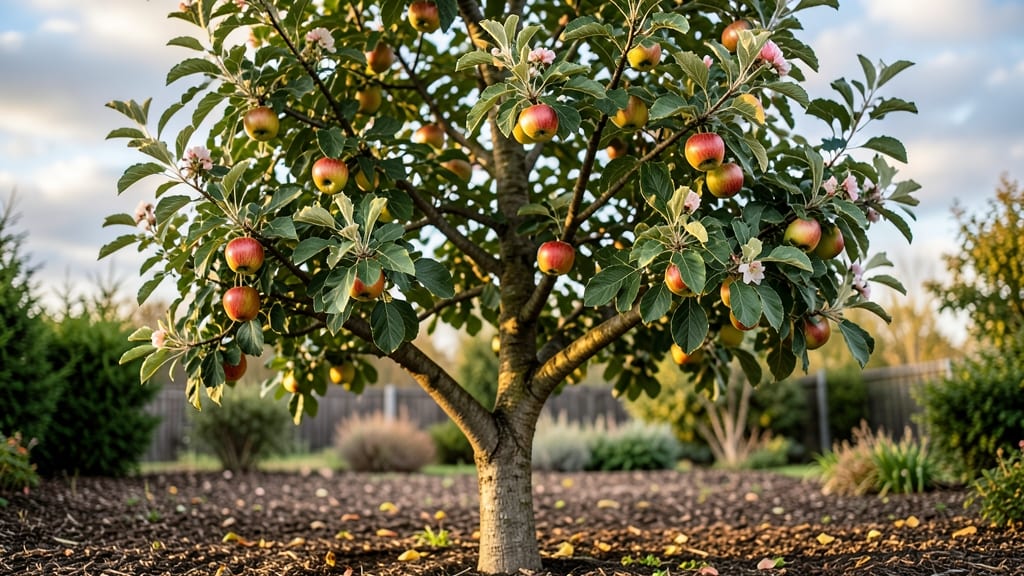
Growing Gala apple trees works best in USDA hardiness zones 4 through 8, where they handle winters as cold as -30°F (-34°C) while benefiting from warm summers for fruit development. Choosing the right growing zone maximizes tree health and fruit quality.
Gala apple trees are particularly sensitive to extreme cold during dormancy, but their roots often survive even colder temperatures than the above-ground parts. 🍏 In colder zones like 4 or 5, planting on south-facing slopes or near heat-retaining structures can create microclimates that extend their growing season.
I've seen gardeners in zone 6 add extra mulch in late fall to protect the root zone, which helps the tree withstand sudden temperature drops. The key is balancing winter hardiness with enough summer warmth to ripen the fruit properly.
Beyond the zone number, factors like frost-free days and summer heat accumulation play a huge role. For example, coastal areas in zone 8 might get enough warmth, while inland locations with hotter summers could push the tree's limits.
If you're in a borderline zone, consider dwarf varieties—they mature faster and produce fruit sooner, giving them a better chance to ripen before fall's first frost.
💡 In This Article
- Understanding Gala Apple Tree Cold Hardiness Limits
- Best Climates and Microclimates for Growing Gala Apples
Understanding Gala apple tree cold hardiness limits
Gala apple trees enter a biological state called endodormancy during winter, where their growth slows to survive freezing temperatures. This process is triggered by shorter daylight hours and cooler temperatures, allowing the tree to harden its cells with protective sugars and proteins.
The bark becomes thicker and more resistant, while the roots develop antifreeze-like compounds that prevent ice crystal formation in their tissues. However, this hardening takes time—young trees or newly planted specimens are far more vulnerable to cold damage because their protective mechanisms aren't fully developed.
The tree's ability to withstand cold varies by part: roots can often handle -20°F (-29°C) in zone 4, while the trunk and branches may struggle below -30°F (-34°C). 🍃 What's surprising is that the fruit buds are the most sensitive—even a brief dip to 23°F (-5°C) can cause bud death, leading to poor flowering and fruit set the following spring.
This is why gardeners in zone 5 often wrap young trees in burlap or use frost blankets during unexpected late frosts. The science here involves deacclimation, where sudden warm spells followed by cold snaps can confuse the tree's dormancy cycle, making it more susceptible to damage.
Summer heat is equally critical for Gala apple trees, as they need 800-1,200 chilling hours (temperatures between 32-45°F (0-7°C)) during winter to break dormancy properly. Without this, the tree may produce fewer flowers or none at all.
In warmer zones like 7 or 8, where winters are milder, the tree might not get enough chilling hours, leading to erratic fruit production. This is why some growers in zone 8 use artificial chilling methods or choose varieties better adapted to their climate.
Microclimates can dramatically alter a tree's cold tolerance. For example, a south-facing slope in zone 4 might receive 10-15% more sunlight than a north-facing area, creating a warmer microclimate that helps the tree survive winter.
Similarly, urban areas with buildings or pavement can trap heat, raising soil temperatures by 5-10°F (3-6°C) compared to rural fields. This "urban heat island" effect can push a tree's hardiness zone up by one or more levels, making it possible to grow Galas in zones slightly colder than officially recommended.
One common misconception is that all apple trees have the same cold tolerance. While Gala apples are generally hardy to zone 4, some other varieties like Honeycrisp or Fuji can handle zone 3's -40°F (-40°C) winters.
This difference comes down to genetic adaptations—some apple cultivars have developed thicker bark or more efficient antifreeze proteins over centuries of selective breeding.
For Gala growers, this means paying close attention to local climate data and choosing planting sites that maximize winter protection while ensuring adequate summer warmth for fruit development.
If you're pushing the limits in zone 3 or 9, consider these strategies: plant near a south-facing wall, use windbreaks, or choose dwarf varieties that mature faster. The key is creating a balance—enough cold to satisfy dormancy requirements but not so much that it damages the tree's delicate structures.
With the right approach, even borderline zones can yield healthy Gala apple trees with consistent fruit production. 🌱