
Trees
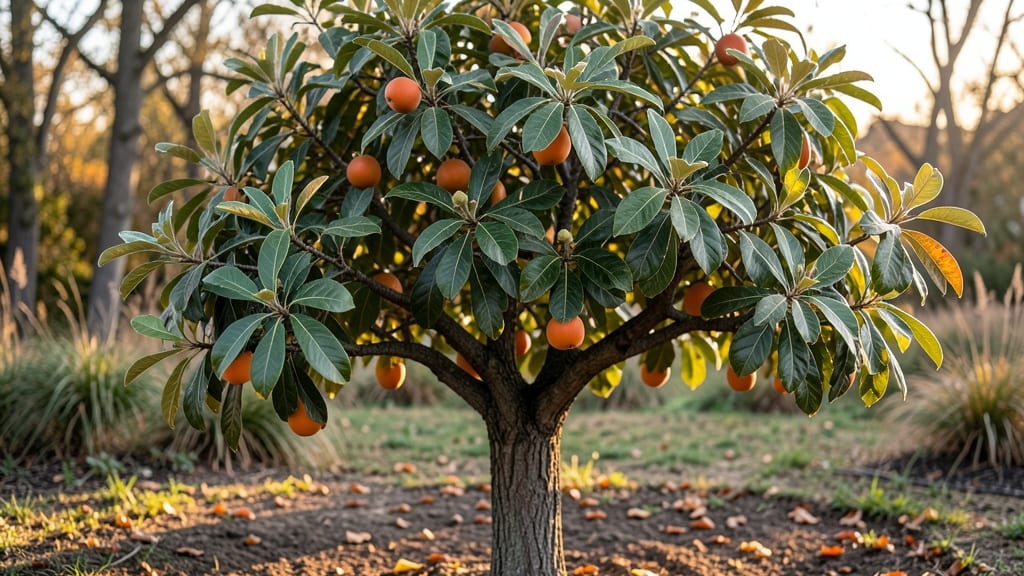
Those common persimmon tree leaves you're about to toss? They're edible gold—packed with earthy flavor perfect for tea or seasoning. 🌿 I used to ignore them until I discovered their surprising versatility in both the kitchen and garden health checks.
Start by identifying healthy leaves: bright green, slightly leathery, and free of spots or holes. If you spot yellowing, curling, or white powdery residue, those are signs of stress—likely from mites, mildew, or nutrient deficiencies. A quick spray of neem oil or a balanced fertilizer can turn things around fast.
Once confirmed healthy, harvest young leaves for the mildest flavor. Dry them for tea blends or chop fresh into soups. The same tree that feeds you can also warn you—watch for early signs of pests or disease before they spread.
📚 In This Guide
- What you need
- Instructions
- Tips and common mistakes
- Wrapping up and next steps
What you need
- ● Fresh or dried common persimmon leaves (1–2 cups, or ~30–50g per batch for tea; ½ cup for seasoning). Note: Harvest from organic, pesticide-free trees (avoid roadside trees).
- ● Pruning shears or sharp scissors (for harvesting—clean and sterilized).
- ● Paper bags or breathable cloth sacks (for transporting leaves to avoid bruising).
- ● Drying rack or mesh screen (if drying leaves; ensure good airflow and shade).
- ● Food-grade storage containers (airtight for dried leaves; glass jars or resealable bags).
- ● Mortar & pestle (for crushing dried leaves into a fine powder for seasoning).
- ● Digital scale (for precise measurements, especially for culinary use).
- ● Herb drying book (to flatten leaves for faster drying).
- ● Tea infuser or fine-mesh strainer (for easy tea preparation).
- ● Labeling tags (to mark harvest dates and storage containers).
- ● Positive identification of the tree—only harvest from common persimmon (Diospyros virginiana). Avoid toxic look-alikes like American persimmon (same species but different uses).
- ● Harvest timing: Young, tender leaves in spring or early summer (avoid mature/leathery leaves).
- ● Allergy test: Try a tiny amount of tea or seasoning first to check for sensitivities.
How to harvest and prepare common persimmon tree leaves
Here's the simple method I use to turn backyard leaves into flavorful tea and seasoning.
🌿 Step 1: Identify and Harvest Young Leaves
Pick leaves from the common persimmon tree (Diospyros virginiana) in early spring when they're still tender and 3-5 inches long. Avoid mature leaves—they're tough and bitter. Look for bright green, glossy leaves with smooth edges. Harvest on a dry morning after dew has evaporated to prevent mold.
Use clean, sharp pruning shears to snip leaves just above a leaf node. Never pull leaves off the stem—this damages the tree. I gather 4-6 leaves per harvest from different branches to ensure variety. Place them in a paper bag (not plastic) to allow airflow and prevent wilting.
💧 Step 2: Clean and Prepare for Drying
Rinse leaves under cool running water to remove dust and insects. Gently shake off excess water or pat dry with a clean kitchen towel. Avoid soaking—wet leaves take longer to dry and may develop mold. I spread a clean kitchen towel on my counter and arrange leaves in a single layer to air-dry slightly before processing.
Remove any damaged or yellowed leaves immediately—these won't dry properly and can spoil the batch. For tea, I use whole leaves, but for seasoning, I tear larger leaves into smaller pieces with my hands. This increases surface area for faster drying and better flavor infusion.
☀️ Step 3: Dry Leaves for Tea or Seasoning
For tea leaves, hang small bundles upside down in a well-ventilated, dark place (like a closet or pantry) for 3-5 days. I tie 5-6 leaves together with a rubber band and hang them from a string. The goal is low, even drying—too much sun causes browning, while too little humidity leads to mold.
For seasoning, spread leaves on a wire rack in a sunny spot (out of direct midday sun) for 1-2 days. Stir leaves once daily to ensure even drying. They're ready when crispy to touch and easily crumble between fingers. Store dried leaves in airtight glass jars away from light—properly dried leaves keep for up to 6 months.
✂️ Step 4: Store and Use Your Harvest
Once fully dried, store leaves in small batches in jars labeled with the harvest date. For tea, steep 1 teaspoon dried leaves in 1 cup hot water for 5-7 minutes. The flavor is earthy and slightly sweet—perfect for after-dinner sips. For seasoning, crush dried leaves between your fingers and sprinkle over salads, soups, or roasted vegetables for a unique herbal note.
I like to make small batches—freshly dried leaves have the best flavor. If you notice any musty smells when opening the jar, discard the batch immediately. Properly stored persimmon leaves should smell fresh and herbal, not damp or sour.
Tips & tricks for perfect persimmon leaf harvesting
These simple strategies will help you turn backyard leaves into premium tea and seasoning every time.
Leaf Selection Matters: The 3-5 inch size guideline in Step 1 is crucial—smaller leaves are too delicate while larger ones become tough. I look for leaves that feel slightly leathery but still pliable, with a vibrant green color that doesn't yellow at the edges. Harvesting from multiple branches gives you a more complex flavor profile, almost like a bouquet of notes rather than a single flavor.
Drying Technique for Tea vs Seasoning: For tea leaves, the 3-5 day hanging time creates a more delicate flavor, while the 1-2 day sun drying for seasoning develops a bolder, more aromatic profile. I've found that tea leaves dried in complete darkness develop a subtle sweetness, while those exposed to indirect sunlight take on a slightly grassy note. The key is consistency—don't mix drying methods for the same batch.
Storage Wisdom: The 6-month shelf life mentioned assumes proper drying and airtight storage. I like to add a small piece of dried chamomile flower to my storage jars—it acts as a natural preservative and adds subtle floral notes to the persimmon flavor. Always store in glass jars rather than plastic, as persimmon leaves can impart a slight bitterness to plastic over time.
Quality Check: When testing dried leaves for readiness, I do the "finger crumble test"—if they break apart easily between my fingers with a pleasant herbal aroma, they're perfect. If they still feel pliable, they need more drying time. For tea leaves, I also check that they maintain their shape when dried, as curled leaves indicate uneven drying and potential mold risk.
Pro Tips for Common Persimmon Tree Leaves
- These simple strategies will help you turn backyard leaves into premium tea and seasoning every time.
- Leaf Selection Matters: The 3-5 inch size guideline in Step 1 is crucial—smaller leaves are too delicate while larger ones become tough.
- Drying Technique for Tea vs Seasoning: For tea leaves, the 3-5 day hanging time creates a more delicate flavor, while the 1-2 day sun drying for seasoning develops a bolder, more aromatic profile.
Frequently asked questions
Got questions about harvesting and using common persimmon tree leaves? You’re not alone! Here are some of the most common queries—plus quick, practical answers to help you get the most out of this versatile herb.
Are common persimmon leaves safe to eat raw?
While they’re edible, common persimmon (Diospyros virginiana) leaves are best used sparingly when raw—they can have a slightly bitter or astringent taste. Most people prefer them dried for tea or cooked as a seasoning. Always harvest from pesticide-free trees to avoid contamination.
When is the best time to harvest persimmon leaves?
The ideal time is late spring to early summer, just before or during flowering, when leaves are tender and packed with flavor. Avoid harvesting after heavy rain or if the tree has been treated with chemicals. Early morning harvests yield the freshest leaves!
Can I substitute persimmon leaves for other herbs in recipes?
They work well as a milder alternative to mulberry leaves or blackberry leaves in teas, soups, or as a garnish. For a stronger flavor, blend them with mint or sage. Just remember—persimmon leaves have a unique, slightly sweet aroma, so start with small amounts.
What should I do if the leaves turn yellow or wilt after picking?
Yellowing or wilting can happen if leaves are overhandled or harvested from stressed trees. Store them in a breathable container (like a paper bag) in the fridge for up to 5 days. For long-term use, dry them quickly in a well-ventilated area or a dehydrator at 95°F (35°C) to preserve flavor and color.
How much tea should I brew from persimmon leaves?
Start with 1–2 teaspoons of dried leaves (or 2–3 fresh leaves) per cup of hot water. Steep for 5–7 minutes for a mild infusion or up to 10 minutes for a bolder taste. Too much can make the tea overly astringent—adjust to your preference!
Wrapping up and next steps
Exploring the common persimmon tree leaves opens up a world of culinary and wellness possibilities—from fragrant teas to savory seasonings! These versatile leaves are packed with antioxidants, vitamins, and a unique earthy flavor that can elevate your dishes or soothe your senses.
Whether you're a gardener, forager, or home chef, harnessing their potential is easier than you think.
Ready to dive in? Start by identifying and harvesting leaves from a trusted source, then experiment with teas, seasonings, or even infused oils. Your kitchen (and taste buds) will thank you! 🌿✨