
Trees
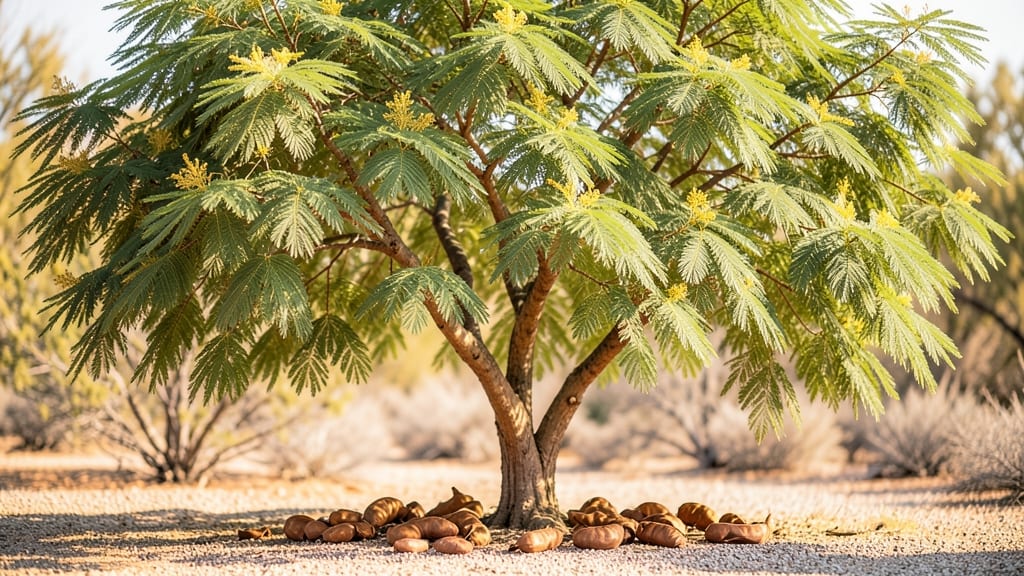
Your monkeypod tree leaves could be the secret weapon for a fast-growing, drought-proof privacy screen—if you know how to keep them thriving. 🌿 I’ve watched these trees transform bare yards into lush, sun-resistant barriers in just 3-5 years, but only when you address the sneaky pests and environmental stressors that sabotage their growth.
The first sign of trouble? Yellowing leaves, sticky residue, or tiny webs clinging to the undersides—classic red flags for spider mites or scale insects.
These pests thrive in dry conditions, so consistent watering (deep but infrequent) and a neem oil spray every 2-3 weeks during peak summer keeps them at bay. Fungal infections show up as dark spots or powdery mildew, which means improving airflow with strategic pruning and avoiding overhead watering.
📚 In This Guide
- What you need
- Instructions
- Tips and common mistakes
- Wrapping up and next steps
What you need
- ● Monkeypod tree seedlings or saplings: 1–3 plants (depending on desired coverage). Choose healthy, 3–5 ft tall specimens from a reputable nursery.
- ● Well-draining soil: Mix 60% native soil with 40% coarse sand or gravel (e.g., 1 cubic yard for a 10 ft x 10 ft area).
- ● Organic mulch: 2–3 inches of wood chips or shredded bark (e.g., 10 sq ft bag) to retain moisture and suppress weeds.
- ● Slow-release fertilizer: 10–10–10 NPK blend (e.g., 1 lb per plant) for initial planting.
- ● Garden shovel or spade (for digging holes 2–3x wider than the root ball).
- ● Wheelbarrow (to transport soil and mulch).
- ● Garden hose with nozzle (for deep watering; 10 ft length recommended).
- ● Pruning shears (for trimming dead branches or shaping).
- ● Gloves & knee pads (for comfort during planting).
- ● Drip irrigation system (to automate watering in dry climates).
- ● Epsom salt (1 tbsp per gallon of water monthly for magnesium boost).
- ● Tree stakes & ties (if planting in windy areas).
- ● Soil moisture meter (to track drought conditions).
How to plant and care for monkeypod tree leaves for a fast-growing privacy screen
Here's how to establish a lush, drought-tolerant screen using monkeypod trees—my go-to for quick, low-maintenance privacy.
🌱 Step 1: Choose the Right Location and Prepare the Soil
Monkeypod trees thrive in full sun with at least 6-8 hours of direct light daily. Avoid low spots where water pools after rain—they hate soggy roots. I dig a hole twice as wide as the root ball but only as deep as the container the tree came in. This encourages roots to spread horizontally for stability.
Their native soil is well-draining, so if your yard has heavy clay, mix in 2-3 inches of compost and a handful of coarse sand into the bottom of the hole. For 4 trees, I blend 1 cubic yard of native soil with 10 gallons of compost and 5 gallons of sand to improve drainage. Tap the sides of the hole gently after filling to remove air pockets.
🪴 Step 2: Plant Monkeypod Trees at the Correct Spacing
Space 4-6 feet apart for a dense screen—closer spacing slows growth and creates competition. I use a level to ensure the top of the root ball sits 1-2 inches above ground level. This prevents water from pooling around the trunk, which can rot the base. Backfill with native soil mix, pressing gently to eliminate air gaps.
Water deeply after planting to settle the soil and encourage root contact. You'll see the soil surface sink slightly as roots expand into the surrounding earth. Mulch with 2-3 inches of wood chips, keeping it 6 inches away from the trunk to prevent moisture buildup. This layer retains soil moisture while protecting roots from temperature swings.
☀️ Step 3: Water Deeply and Establish a Drought-Resistant Routine
Monkeypod trees are drought-tolerant once established, but young trees need consistent moisture. Water 1-2 times per week for the first 6 months, delivering 10-15 gallons per tree each time. Let the top 6 inches of soil dry out between waterings—you'll know it's time when the soil feels dry to the touch.
After the first year, reduce watering to once every 2-3 weeks unless your area experiences extreme heat or prolonged dry spells. Overwatering is the biggest mistake—it leads to root rot and stunted growth. You'll notice healthy trees have deep green leaves and minimal leaf drop, even in summer heat.
✂️ Step 4: Prune for Shape and Encourage Fast Growth
Prune in late winter or early spring before new growth begins. Remove any dead, diseased, or crossing branches first—these compete for nutrients and slow growth. I cut back 1/3 of the previous year's growth to encourage bushier, denser foliage. Use clean, sharp pruners to make cuts just above a leaf node.
For a privacy screen, shape the outer branches to create a uniform height and width. Avoid heavy pruning in summer—it stresses the tree and can invite pests. You'll see new growth within 4-6 weeks of pruning, with leaves emerging brighter and more vibrant than before.
🌿 Step 5: Monitor for Pests and Maintain Long-Term Health
Monkeypod trees are generally pest-resistant, but watch for aphids or spider mites on new growth. I spray affected areas with neem oil diluted in water—it's organic, safe, and breaks down quickly. Apply in the early morning or late evening to avoid harming beneficial insects.
Fertilize lightly in early spring with a balanced, slow-release fertilizer (10-10-10 ratio). Spread 1/2 cup per tree around the drip line, then water deeply to activate the granules. Skip fertilization in the first year—newly planted trees need to focus on root establishment, not foliage growth.
Tips & tricks for perfect monkeypod tree privacy screens
These pro insights will help you create a lush, fast-growing screen that thrives with minimal fuss.
Sunlight Strategy: Monkeypod trees need that full sun (6-8 hours daily), but here's the thing—if your yard has afternoon shade, position trees to catch morning sun instead. South-facing locations work best in northern climates, while western exposures may need afternoon shade protection during peak summer heat. I've seen trees in partial shade grow, but they'll be less dense and slower to fill in.
Soil Mixing Mastery: When amending heavy clay soil, I blend the compost and sand right in the hole—not just on top. This creates a root-friendly zone immediately around the roots where they'll establish first. For clay-heavy areas, add an extra 1-2 inches of compost to the backfill mix. The goal is to mimic their native well-draining conditions without creating a soggy bottom.
Watering Wisdom: That 10-15 gallon watering sounds like a lot, but here's how to make it easier: Use a 5-gallon watering can and do two passes per tree. For larger screens, consider a soaker hose set on low for 20-30 minutes per tree. The key is deep watering that encourages roots to grow downward—shallow watering creates weak, surface roots that dry out faster.
Pruning Precision: When you cut back that 1/3 of last year's growth, focus on removing the oldest, leggiest branches first. These are the ones that compete most for nutrients. I always prune just above a leaf node (that little bump where leaves grow) to encourage new growth from there. Avoid cutting into old wood—it won't regrow leaves. For screens, aim to create a slightly tapered shape with more branches near the top.
Pro Tips for Monkeypod Tree Leaves
- These pro insights will help you create a lush, fast-growing screen that thrives with minimal fuss.
- Sunlight Strategy: Monkeypod trees need that full sun (6-8 hours daily), but here's the thing—if your yard has afternoon shade, position trees to catch morning sun instead.
- Soil Mixing Mastery: When amending heavy clay soil, I blend the compost and sand right in the hole—not just on top.
Frequently asked questions
Got questions about monkeypod tree leaves? You’re not alone! Here are some of the most common queries—plus straightforward answers to help you care for this stunning, low-maintenance tree.
What do monkeypod tree leaves look like?
Monkeypod (Schoepfia schreberi) leaves are small, oval, and silvery-green with a fuzzy texture, resembling those of a desert shrub. They grow in clusters and have a unique, almost feathery appearance. In drought conditions, they curl slightly to conserve moisture—don’t worry, it’s normal!
How often should I water a monkeypod tree?
Once established, monkeypod trees are extremely drought-tolerant—water deeply every 2–4 weeks during the first year, then monthly or less afterward. Overwatering is the real risk! Check soil moisture 2–3 inches down before watering; if it’s dry, it’s time. Pro tip: Mulch around the base to retain moisture.
Are monkeypod leaves toxic to pets or humans?
Good news! Monkeypod trees are non-toxic to both pets and people. You can rest easy if your curious cat nibbles a leaf or your kids want to touch them. However, always supervise young children around any plant to avoid accidental ingestion of large quantities.
Can I grow a monkeypod tree from cuttings or seeds?
While possible, seeds are unreliable—germination rates are low, and growth is slow. The best method is to plant a young nursery-grown tree. Cuttings can work if taken in late spring/early summer, but success rates vary. For fastest results, stick with a pre-grown sapling from a reputable supplier.
What’s the fastest way to create a privacy screen with monkeypod trees?
Plant 3–5 trees per 10-foot section, spacing them 8–12 feet apart for optimal growth. Since they grow 2–3 feet per year, you’ll see noticeable height in 3–5 years. For quicker coverage, pair them with fast-growing natives like desert willow or palo verde until the monkeypod fills in.
Why are my monkeypod leaves turning yellow or brown?
Yellowing leaves often signal overwatering or root rot, while brown edges can mean underwatering or salt buildup (common in desert soils). Check drainage—monkeypod trees hate soggy roots. If pests like spider mites are the culprit, hose off leaves with water or use neem oil for a natural remedy.
Wrapping up and next steps
The monkeypod tree leaves offer a stunning blend of fast growth, drought resistance, and lush privacy—perfect for transforming any outdoor space into a serene retreat. Whether you're drawn to their glossy foliage or their low-maintenance charm, these trees are a game-changer for landscaping. 🌿
Ready to elevate your garden? Start by researching local nurseries or checking soil conditions to ensure the best planting experience. With the right care, your monkeypod tree will thrive and become the showstopper of your yard!