
Diseases
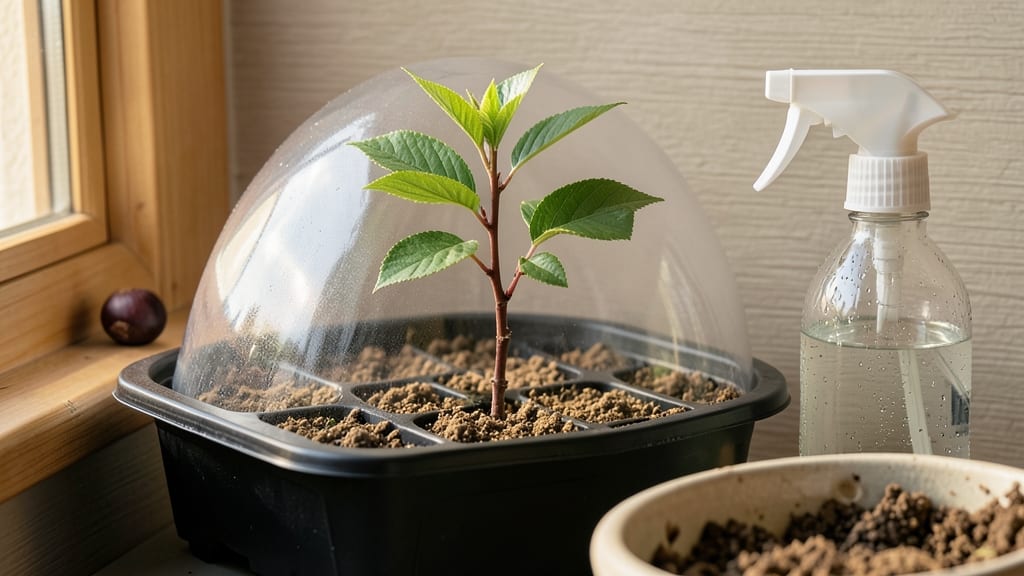
You can grow a cherry tree from a cherry seed, but success depends on patience and proper technique: germination rates hover around 10-20%, and the resulting tree may take 5-10 years to produce fruit—if at all—due to genetic unpredictability. Proper care and stratification are key.
Growing cherries from seed is more of a scientific experiment than a guaranteed gardening project. 🌱 The seeds often require two rounds of cold treatment (called double dormancy) to break their natural resistance to sprouting, mimicking winter conditions.
Even with perfect stratification, the resulting tree might grow into a completely different variety than the fruit you started with—think of it like rolling the dice on genetics.
I’ve seen some gardeners get lucky with heirloom varieties, but most end up with trees that produce small, tart cherries or no fruit at all. The real magic happens when you combine seed-grown roots with a grafted top later, but that requires advanced techniques.
If you’re determined to try, start by extracting seeds from fully ripe cherries, cleaning them thoroughly, and storing them in a damp paper towel in the fridge for 3-4 months. After the cold treatment, plant them shallowly in well-draining soil and keep them moist but not soggy.
The first true leaves will appear slowly—sometimes taking weeks—and that’s when the real waiting game begins. 🍒
💡 In This Article
- Cherry Seed Germination Science and Challenges
- Step-by-Step Guide to Growing Cherries from Seeds
Cherry seed germination science and challenges
Cherry seeds enter what botanists call "double dormancy," meaning they need two separate cold periods to break their natural resistance to sprouting. The first dormancy occurs when the seed matures on the tree, while the second happens after harvest.
Without proper cold treatment, the seed's embryo remains inactive—almost like it's waiting for winter to pass. This is why simply planting a cherry pit in soil rarely works: the seed lacks the natural temperature fluctuations it would experience in its native environment. 🌱
The science behind this involves two key processes: seed coat hardening and internal chemical changes. The outer seed coat contains compounds that block water absorption, while inside, the embryo produces growth inhibitors.
Cold stratification (typically 32-40°F for 3-4 months) triggers enzymes that break down these inhibitors, allowing the embryo to swell and eventually sprout. Skipping this step means the seed may never germinate—or if it does, the resulting seedling could be weak and prone to disease.
Even when seeds do germinate, the resulting tree often bears little resemblance to the parent fruit. This happens because cherry trees are highly heterozygous—meaning each seed carries a unique genetic combination from both parents.
While the parent tree might produce sweet, juicy Bing cherries, the seedling could grow into a tree with tart, small fruit or no fruit at all. This genetic lottery is why commercial growers almost never use seeds; they rely on grafting to ensure consistent varieties. 🍒
Another challenge is the lengthy timeline. Cherry trees grown from seed can take 5-10 years to mature enough to bear fruit, if they ever do. During this time, the tree must develop a strong root system, which requires consistent moisture, well-draining soil, and protection from pests.
Unlike grafted trees that produce fruit within 3-5 years, seed-grown trees are essentially a long-term investment with no guarantees. This is why many gardeners opt for grafting later in the process—combining the hardy roots of a seedling with the desirable fruit characteristics of a known variety.
Consider this: while sweet cherries (like Bing or Rainier) are typically grown from grafted trees, sour cherries (like Montmorency) are sometimes propagated from seed because they're more genetically stable. This highlights how even within the same species, varieties behave differently.
If you're starting with a seed, your best bet is to research the specific cherry variety and its known traits—though even then, surprises are common. 💫
For those willing to experiment, the reward lies in the unpredictability. Some seed-grown trees develop unique flavors or disease resistance not found in commercial varieties. The key is managing expectations: treat it as a scientific curiosity rather than a reliable fruit source.
With proper stratification and care, you might just grow a tree that becomes a conversation piece in your garden—even if it never produces the cherries you envisioned. ✨