
How To
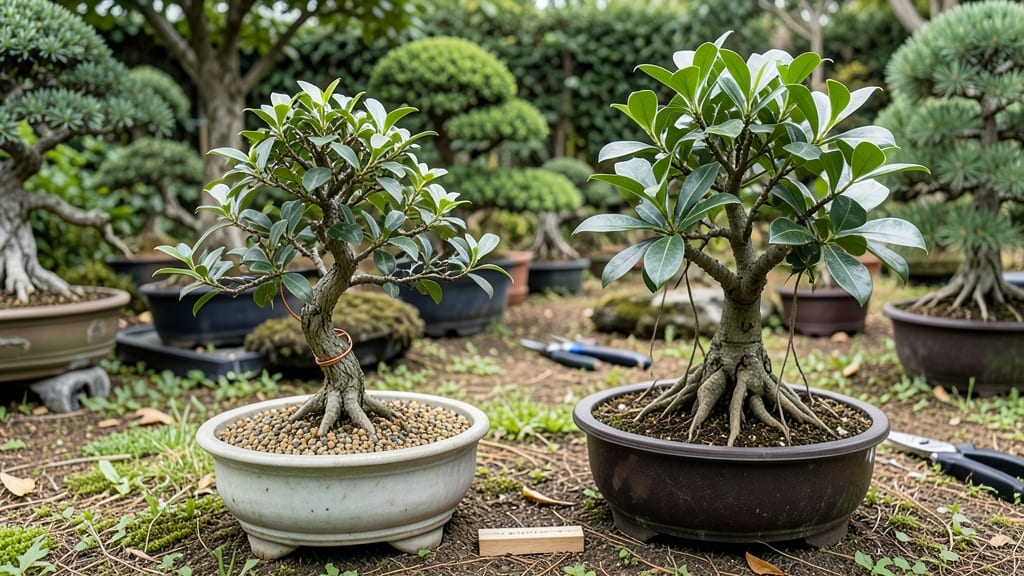
A bonsai tree grows how tall do they grow to heights of just 1 to 3 feet—far smaller than their wild counterparts—thanks to meticulous pruning and training techniques passed down for centuries.
Ever wondered why your bonsai tree stays tiny while your neighbor’s looks like a shrub? The answer lies in ancient pruning techniques and species-specific growth patterns—discover the real height limits of bonsai trees and how to control them.
Most bonsai species, like junipers or ficus, naturally top out at 6 to 12 feet in the wild, but with regular pruning, wiring, and root restriction, they stay miniature. Even a 100-year-old bonsai might only reach your waist.
In this guide, I’ll break down how species, pruning styles, and seasonal care shape your bonsai’s size—plus the 3 key mistakes that cause stunted or unbalanced growth.


Natural height limits of bonsai trees by species (and how to maintain them)
Bonsai trees thrive because they're not just small plants—they're intentionally stunted through centuries-old techniques. Their natural height limits vary wildly by species, but even the fastest growers can be kept miniature with the right care.
For example, a ficus bonsai might reach 6 feet outdoors, but as a bonsai, it stays between 12-18 inches. The secret? Understanding each species' growth potential and applying targeted pruning.
Some species like juniper bonsai grow slowly naturally, making them ideal for beginners. Others, such as trident maple, grow faster but respond dramatically to pruning. Your choice of species determines how much work you'll need to put into height control.
Let's explore the natural height ranges of popular bonsai species and the pruning methods that keep them small.
Here's a quick comparison of how tall common bonsai species grow in the wild versus their typical bonsai height:
The juniper bonsai is one of the most popular choices because its slow growth rate means less frequent pruning. You'll only need to pinch back new growth every few months to maintain its 6-18 inch height.
In contrast, trident maple grows quickly in the wild, so you'll need to prune it monthly during growing season to keep it between 10-18 inches. The key is understanding each species' natural growth rhythm and working with it.
For ficus bonsai, which can grow up to 50 feet in nature, the goal is to control apical dominance. This means pruning the top growth to encourage bushier, more compact growth. I recommend using the candling technique—pruning just above a node to redirect energy to side branches.
This method works wonders for maintaining that 12-24 inch height while keeping the tree full and healthy.
Root pruning is another essential technique for controlling height. Every 2-3 years, I repot my bonsai and trim 20-30% of the roots. This shock to the root system slows overall growth, allowing me to maintain the desired height more easily.
Just be careful—over-pruning roots can stress the tree, so always pair it with proper aftercare like reduced watering for a week after repotting.
Defoliation is a more advanced technique that works especially well for deciduous bonsai like maple or elm. By removing 50-70% of the leaves in late spring, you force the tree to produce smaller, denser foliage. This method is perfect for fast-growing species that need to be kept in check.
I've seen trident maple bonsai that would have grown 3 feet tall in a year reduced to just 12 inches using defoliation combined with regular pruning.
Wiring is the artistic side of bonsai height control. By gently wrapping wire around branches, you can train them into shapes that would never occur naturally. This isn't just about height—it's about creating visual balance. For example, you can wire a cascade-style bonsai
Pruning styles that control bonsai height: techniques for beginners and experts
Mastering bonsai height control starts with understanding pruning styles tailored to your tree's growth habits. Each style—like formal upright or cascade—dictates how you shape and constrain growth.
For example, a formal upright bonsai stays compact with regular tip pruning, while a cascade style encourages downward growth through strategic wiring and pruning angles. The key is matching the style to your tree's species-specific traits and growth rate.
As a beginner, I recommend starting with formal upright or informal upright styles—they're the most forgiving for height control. These styles rely on apical bud pruning (trimming the top growth) to maintain a balanced shape.
For faster-growing species like ficus, you'll prune more aggressively, while slower growers like juniper need gentler adjustments. Always use sharp, clean tools to avoid damaging the cambium layer, which heals wounds and fuels new growth.
⚠️ callout-warning
Over-pruning in one session can shock your bonsai, leading to stunted growth or even death. Never remove more than 1/3 of foliage at once, and avoid pruning during extreme heat or winter dormancy. Root-bound trees also grow poorly—repot every 2-3 years to refresh roots. Ignoring these rules turns "miniature" into "struggling."
Seasonal timing is critical for height control. For most deciduous bonsai, prune in late winter or early spring before new growth begins. Evergreens like pine or juniper can handle pruning in early summer to encourage denser foliage.
Avoid pruning in fall, as the tree prepares for dormancy. Pro tip: Use a pruning schedule—mark your calendar for spring (growth phase), summer (foliage adjustment), and winter (structural pruning) sessions.
Advanced techniques like back-budding or leaf pruning let you fine-tune height over time. For instance, back-budding (pruning just above a leaf node) encourages lateral growth, while leaf pruning (removing 1/3 of leaves) reduces transpiration and slows vertical growth.
These methods are perfect for mature bonsai needing subtle height adjustments. Pair them with wiring to guide branches into your desired shape—just remove wires after 3-4 months to avoid scarring.
Common mistakes often stem from impatience or incorrect tools. Using dull shears crushes stems, inviting disease, while pruning too close to the trunk leaves unsightly stubs. Another error? Pruning new growth too late—wait until leaves harden before trimming.
For height control, focus on the apical bud (top growth point). Removing it forces the tree to grow wider, not taller. Balance is key: prune 1/3 of new growth every 4-6 weeks during the growing season.
To maintain your bonsai's height long-term, combine pruning with root restriction. Repot every 2-3 years into a slightly larger pot, trimming 20-30% of roots to limit nutrient uptake and slow vertical growth. Pair this with regular watering adjustments—overwatering can dilute nutrients, causing weak, leggy growth.
Monitor your tree's growth rate seasonally and adjust pruning intensity accordingly. With practice, you'll achieve the perfect miniature masterpiece—whether it's a 3-foot cascade or a 6-inch formal upright. 🪴