
Trees
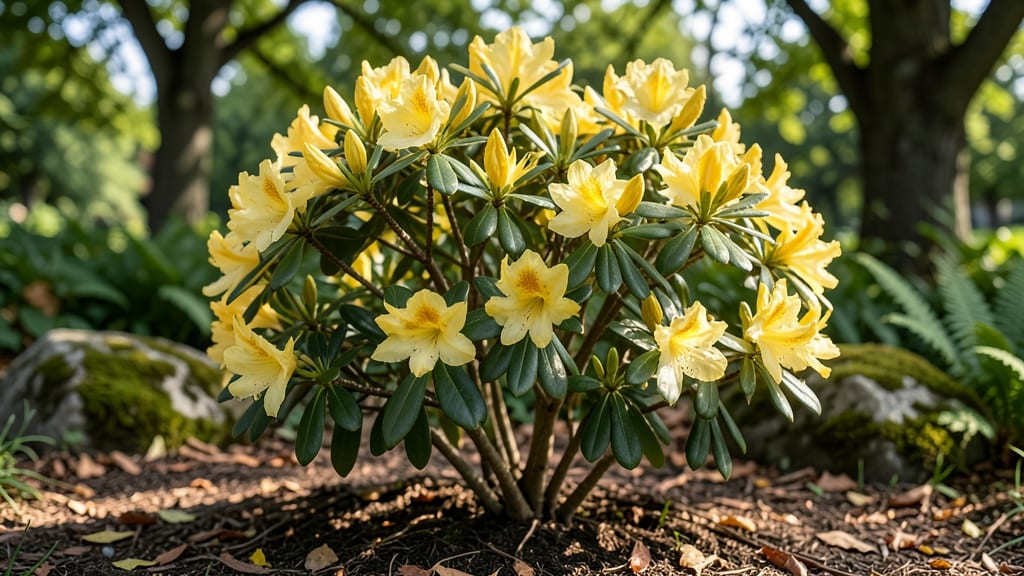
Your azalea tree yellow leaves aren’t a death sentence—just a signal to act. 🌿 I've nursed back more than a few azaleas from this exact problem, and the fix often comes down to three key checks: soil pH, watering habits, and hidden pests lurking on the undersides of leaves.
The most common culprits are overwatering (which starves roots of oxygen) or soil that's too alkaline (locking out iron). My dwarf azaleas thrive in acidic soil (pH 4.5-6.0)—test yours with a simple kit, and amend with sulfur if needed.
Yellowing often starts on older leaves first, a classic sign of nutrient stress.
You'll see improvement within 2-4 weeks of adjusting care: prune dead branches, water at the base (not overhead), and treat spider mites or scale with neem oil if you spot them. The right dwarf variety—like 'Little Devil' or 'P.J.M.'—can also make maintenance easier in tight spaces.
When in doubt, snap a photo of the yellowing pattern (edges vs. veins) and compare it to the troubleshooting chart in the next section. Most cases resolve at home, but if the problem spreads despite your fixes, a local arborist can rule out fungal diseases like leaf spot.
Root Causes Behind Yellowing Azaleas
Azaleas are prized for their vibrant blooms and lush foliage, but when their leaves turn yellow, it’s often a distress signal from the plant. Understanding the why behind this discoloration is key to reviving your dwarf azalea’s health.
Below, we break down the most common culprits—each with a clear scientific explanation and actionable insights to address them.
Yellowing azalea leaves can stem from nutrient imbalances, particularly when essential elements are lacking. The most critical deficiencies include:
- 💡 Iron (Chlorosis): Yellowing between leaf veins (while veins stay green) is classic iron deficiency, often called chlorosis. Azaleas thrive in acidic soils (pH 4.5–6.0), and alkaline conditions (pH >7.0) lock out iron, preventing uptake.
Even if iron is present, the roots can’t access it. Action: Test your soil’s pH and amend with sulfur or peat moss to lower it. Use chelated iron supplements (like iron sulfate) for a quick fix.
- 💡 Nitrogen (Overall Pale Yellow): If the entire leaf turns yellow (not just veins), your azalea may be starving for nitrogen, the building block of chlorophyll.
This often happens in poor or depleted soils after heavy blooming. Action: Apply a slow-release nitrogen fertilizer (like blood meal or fish emulsion) in early spring. Mulch with compost to improve soil fertility long-term.
- 💡 Magnesium (Interveinal Yellowing + Brown Edges): Older leaves developing yellow patches with brown edges may lack magnesium, which is vital for chlorophyll production.
Over-fertilization with nitrogen can worsen this by competing with magnesium uptake. Action: Use Epsom salt (magnesium sulfate)—dissolve 1 tablespoon in a gallon of water and spray foliage monthly during growing season.
Azaleas are thirsty but sensitive—water stress (either drought or soggy roots) triggers yellowing. Here’s how to spot the difference:
- 🌡️ Underwatering (Edge Yellowing + Crispy Leaves): Yellowing at the leaf edges with dry, brittle texture signals water deficiency. Azaleas have shallow roots and dry out quickly in sandy or well-draining soils. Action: Water deeply 2–3 times per week (more in extreme heat).
Use mulch (pine bark or straw) to retain moisture and regulate soil temperature.
- 🌧️ Overwatering (Mushy Leaves + Root Rot): Yellowing paired with soft, mushy leaves and a foul smell at the base suggests root rot, caused by Fusarium or Phytophthora fungi thriving in waterlogged soil.
Dwarf azaleas in containers are especially vulnerable. Action: Ensure pots have drainage holes and never let them sit in saucers of water. Repot in well-draining mix (50% peat moss, 30% pine bark, 20% perlite) if roots are soggy.
Insects and pathogens sap nutrients from azaleas, leading to yellowing. Watch for these troublemakers:
- 🐜 Azalea Lace Bugs (Speckled Yellowing + White Spots): These pests pierce leaves, causing stippling (tiny white/yellow dots) and honeydew buildup. Heavy infestations lead to premature leaf drop. Action: Blast off bugs with a strong water spray, then treat with neem oil or insecticidal soap.
Repeat every 5–7 days.
- 🍄 Fungal Leaf Spot (Yellow Halos + Black Spots): Fungi like Elsinoe or Phyllosticta create yellow rings around dark spots on leaves. Humid, rainy weather encourages outbreaks. Action: Remove infected leaves immediately.
Apply copper fungicide or baking soda spray (1 tsp baking soda + 1 quart water + a drop of dish soap) weekly.
- 🐜 Scale Insects (Sticky Leaves + Yellowing): Scale insects suck sap, causing leaves to yellow and curl. They leave behind sticky honeydew, attracting sooty mold (a black fungal growth). Action: Scrape off scales with a soft brush dipped in rubbing alcohol.
Follow up with horticultural oil to smother remaining pests.
Azaleas are semi-evergreen but struggle with extreme temperatures and intense sunlight, which can scorch leaves and trigger yellowing.
- ☀️ Sunburn (Bleached Yellow Patches): Dwarf azaleas in full sun (especially in hot climates) develop yellow, crispy patches from UV damage. Their native shade-tolerant habits make them vulnerable. Action: Provide afternoon shade (use sheer curtains or a lattice). If planting outdoors, choose morning sun spots.
- ❄️ Winter Burn (Edge Scorch + Yellowing): Sudden temperature swings (e.g., warm days followed by freezing nights) cause winter burn, where leaf edges turn yellow and crispy. Action: Apply a 2–3 inch layer of mulch before winter.
For container azaleas, wrap pots in burlap and move them to a sheltered location.
- 🌬️ Wind Damage (Ragged Yellowing): Strong winds tear leaves, exposing them to transpiration stress (rapid water loss), leading to yellowing and browning. Action: Plant azaleas near a windbreak (like a fence or shrub barrier). In containers, stake tall varieties for support.
Pro Tip: 🔍 Diagnose like a pro—examine the pattern of yellowing (veins vs. whole leaf), leaf texture (crispy vs. mushy), and location (new growth vs. old leaves) to pinpoint the exact cause. Keep a plant journal to track changes after treatments!
Revive Your Azalea’s Color
Yellowing azaleas can be a sign of stress, but with the right care, your dwarf variety can bounce back to its vibrant best. Below are practical, step-by-step solutions tailored to the most common causes—plus tips to keep your compact garden star healthy and lush.
If yellow leaves stem from poor nutrition, azaleas need acid-loving fertilizer to thrive.
How to Fix It: 🔥 Test Your Soil – Use a soil pH test kit (available at garden centers). Azaleas prefer pH 4.5–6.0. If your soil is too alkaline (above 7.0), amend it with sulfur or peat moss to lower the pH gradually.
🍳 Apply Acidic Fertilizer – Choose a slow-release, azalea-formula fertilizer (look for labels with iron, phosphorus, and potassium). Follow package instructions for application rates, usually every 4–6 weeks during growing season (spring to early fall).
👨🍳 Use Organic Amendments – Mix composted pine needles, oak leaves, or coffee grounds into the soil around the base (but not touching the trunk). These natural acids improve soil structure and feed beneficial microbes.
⏰ Timing Matters – Fertilize in early spring (just as new growth appears) and mid-summer for a steady nutrient boost.
💡 Pro Tip: Avoid over-fertilizing! Yellowing can also signal fertilizer burn—if leaves turn crispy or brown at the edges, flush the soil with water and reduce feeding.
Too much or too little water can cause yellowing. Dwarf azaleas need consistent moisture but hate soggy roots.
How to Fix It: 🔥 Check Soil Moisture – Stick your finger 1–2 inches deep into the soil. If it’s dry, water deeply. If it’s muddy, hold off until it drains better.
🍳 Water at the Base – Use a soaker hose or drip irrigation to deliver water slowly and evenly at the root zone. Avoid overhead watering, which can encourage fungal diseases.
👨🍳 Improve Drainage – If your azalea sits in a low spot or clay soil, amend the area with sand or perlite to prevent waterlogging. A 5-gallon bucket with drainage holes can also help raise the plant slightly.
⏰ Watering Schedule – Aim for 1–1.5 inches of water per week, including rainfall. Dwarf varieties dry out faster in containers, so check daily in hot weather.
💡 Pro Tip: Mulch with 2–3 inches of pine bark or wood chips to retain moisture and regulate soil temperature. Keep mulch 2–3 inches away from the trunk to prevent rot.
Fungal diseases like root rot or leaf spot can turn azalea leaves yellow. Early action is key!
How to Fix It: 🔥 Prune Infected Leaves – Use sterilized pruners (wipe with rubbing alcohol) to remove yellow, spotted, or mushy leaves. Dispose of them in the trash—not the compost!
🍳 Apply Fungicide – Spray with a copper-based or neem oil fungicide (follow label instructions). For root rot, treat with hydrogen peroxide (3%) diluted to 1:10 with water and water the soil.
👨🍳 Boost Airflow – Thin out nearby plants or prune dense branches to improve circulation. Avoid planting azaleas where water pools.
⏰ Prevent Future Outbreaks – Water in the morning (fungi thrive in damp, cool evenings) and avoid overhead sprinklers.
💡 Pro Tip: If root rot is severe, repot the azalea into fresh, well-draining soil. Trim any blackened or mushy roots before replanting.
Sap-sucking pests like spider mites, scale, or azalea lace bugs can drain nutrients, causing yellowing.
How to Fix It: 🔥 Inspect Leaves – Look for sticky residue (honeydew), tiny webs, or tiny black bugs on the undersides of leaves.
🍳 Blast Off Pests – Spray leaves with a strong stream of water to dislodge mites and soft-bodied insects.
👨🍳 Use Insecticidal Soap – Mix 1.5 tbsp mild dish soap + 1 quart water and spray every 3–5 days until pests vanish. For tough infestations, try neem oil (follow label rates).
⏰ Encourage Beneficial Insects – Ladybugs and lacewings eat azalea pests. Plant marigolds or dill nearby to attract them.
💡 Pro Tip: Isolate infected plants until treated to prevent spreading. Check both sides of leaves—pests love hiding!
Too much sun or shade can stress azaleas, leading to yellowing.
How to Fix It: 🔥 Assess Light Exposure – Azaleas prefer partial shade (morning sun + afternoon shade). If leaves are bleached yellow, they’re getting too much direct sun. If they’re pale and sparse, they need more light.
🍳 Move or Prune –
- For too much sun: Add sheer fabric shade cloth (30–50%) or plant taller shrubs nearby for dappled shade.
- For too little sun: Gradually acclimate the plant to more light over 2–3 weeks to avoid shock.
👨🍳 Check Container Placement – If growing in pots, rotate the container weekly so all sides get even light.
⏰ Avoid Late-Season Pruning – Prune in early spring to shape the plant without exposing it to harsh summer sun.
💡 Pro Tip: Mulberry or Japanese maple trees make great natural shade companions for azaleas in compact gardens.
Final Reminder: 🌟 Patience is key! With consistent care, your dwarf azalea should regain its vibrant pink, purple, or white blooms in no time. Monitor progress and adjust as needed—your compact garden will thank you!
Frequently asked questions
Why do my azalea leaves turn yellow between the veins first?
This classic pattern signals iron chlorosis, where alkaline soil blocks iron uptake despite it being present. Azaleas thrive in acidic soil (pH 4.5-6.0)—test your soil and amend with sulfur or peat moss if needed. Chelated iron supplements can provide quick relief while you adjust the pH.
Can I save my azalea if the yellowing is caused by root rot?
Yes, but act fast! First, remove the plant and trim away any blackened, mushy roots with sterilized pruners. Repot in fresh, well-draining mix (50% peat moss, 30% pine bark, 20% perlite) and ensure the container has drainage holes. Water lightly until new growth appears—overwatering is the root cause!
How often should I fertilize my dwarf azalea to prevent yellowing?
Use a slow-release, acid-loving fertilizer every 4-6 weeks during growing season (spring to early fall). For organic options, try composted pine needles or coffee grounds. Avoid fertilizing in winter—azaleas rest then. Yellowing from over-fertilization looks crispy at leaf edges, not just between veins.
What's the fastest way to get rid of azalea lace bugs?
Start with a strong water spray to dislodge adults, then apply neem oil or insecticidal soap every 5-7 days until gone. Check leaf undersides daily—lace bugs hide there! For severe infestations, systemic insecticides (like imidacloprid) work but should be a last resort for dwarf varieties.
Will pruning yellow leaves help my azalea recover?
Prune only dead or severely yellowed leaves with sterilized shears to redirect energy to healthy growth. Avoid heavy pruning—focus on removing 10-20% of affected foliage max. For fungal issues, dispose of pruned leaves in the trash (not compost) to prevent spread.