
Pruning
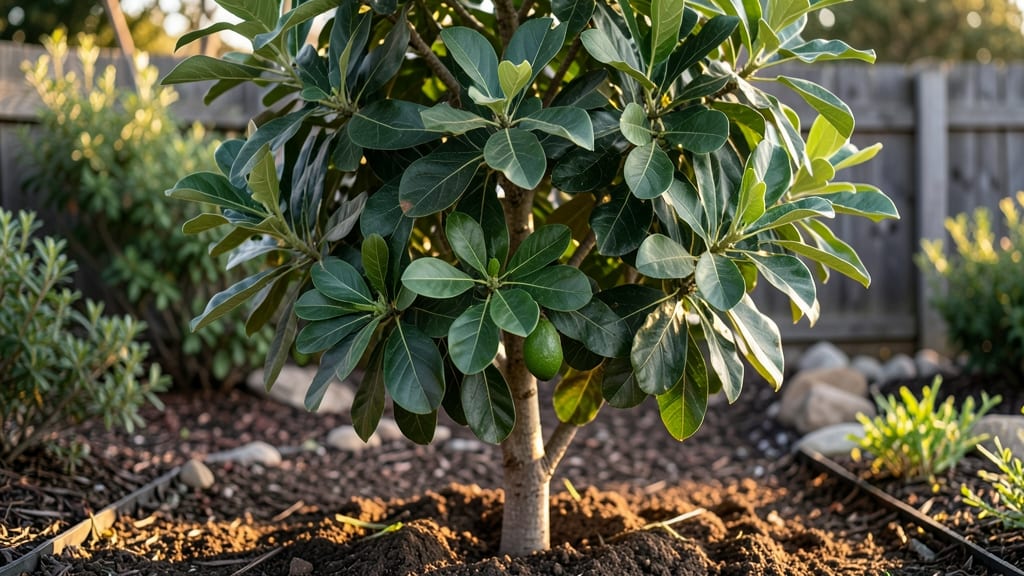
Spotting problems on your avocado tree starts with mastering the leaf identification—and I’ve spent years comparing healthy and unhealthy leaves to catch issues early. 🌿 Those glossy, dark green leaves with smooth edges?
That’s your baseline. But when you see yellowing, spots, or curling, you’re looking at clues about what’s wrong, whether it’s too much water, a pest invasion, or something more serious.
Yellowing leaves often mean overwatering or nitrogen deficiency, while brown spots could signal fungal infections or spider mites. I’ve seen both on my tree, and the fix depends entirely on what you spot first.
For example, spider mites leave tiny webs on the undersides of leaves, while fungal spots usually appear as dark patches with yellow halos.
Here’s the game-changer: a quick leaf rub test. Run your fingers over the undersides—if you feel tiny bumps or webbing, it’s likely mites. For fungal issues, check for a white powdery coating (that’s powdery mildew) or dark, greasy spots (probably anthracnose).
Once you identify the problem, the solution is straightforward: adjust watering, prune affected branches, or apply neem oil for pests. My tree’s been thriving since I started this routine—no more guessing, just action. Let’s get your leaves back to that perfect dark green.
Root Causes of Leaf Changes
Understanding why your avocado tree’s leaves look a certain way starts with examining the underlying factors. Leaf identification isn’t just about recognizing patterns—it’s about uncovering the why behind them. Here’s a breakdown of the most common causes, explained in scientific terms with actionable insights.
Avocado trees are sensitive to their surroundings, and extreme or sudden environmental shifts can trigger visible leaf changes. These stressors often manifest as discoloration, curling, or premature drop-off.
- Temperature Fluctuations Avocados thrive in USDA Hardiness Zones 9-11, where temperatures stay between 60–85°F (15–29°C).
Below 50°F (10°C), leaves may develop brown or blackened edges (a condition called chilling injury), while heat stress above 95°F (35°C) can cause yellowing (chlorosis) or leaf scorch. 🌡️ - Actionable fix: Use shade cloth (30–50%) during peak summer or mulch heavily to regulate soil temperature.
- Water Stress (Over/Under) - Underwatering: Leaves curl edge-inward (like a "claw") and turn dull gray-green, a sign of wilting. Roots may retract from the soil to conserve moisture. - Overwatering: Leaves develop yellow patches (iron deficiency from poor oxygen uptake) or mushy, black spots (root rot).
Soil may smell sour or feel soggy. - Actionable fix: Water deeply 1–2 times per week (depending on climate) and ensure well-draining soil (amend with perlite or sand if compacted).
- Wind and Physical Damage Strong winds can tear leaves, creating irregular jagged edges or abrasions. Salt spray (common near coasts) causes white crusting on leaf surfaces, leading to brown necrotic spots. - Actionable fix: Plant windbreaks (e.g., bamboo screens) or prune to reduce sail effect.
Rinse leaves with fresh water after salt exposure.
Leaf identification often reveals hidden battles between your tree and microscopic (or not-so-microscopic) invaders. Here’s how to spot them:
- Spider Mites (🕷️)
- Symptoms: Stippling (tiny white/yellow dots), webbing on undersides, and bronzing (leaves turn coppery).
- Why it happens: These pests thrive in dry, dusty conditions and pierce cells to suck sap, causing chlorophyll loss.
- Actionable fix: Spray with neem oil or introduce predatory mites (e.g., Phytoseiulus persimilis).
- Avocado Leaf Miner (🐛) - Symptoms: Blister-like white trails on upper leaf surfaces (larvae feeding inside).
Infested leaves may pucker or drop. - Why it happens: Females lay eggs on new growth; larvae burrow into leaves, disrupting photosynthesis. - Actionable fix: Remove heavily infested leaves and apply kaolin clay as a barrier.
- Fungal Infections (e.g., Phytophthora Root Rot) - Symptoms: Yellowing between veins (iron deficiency mimic), leaf drop, and blackened stems at the base. - Why it happens: Fungi like Phytophthora spread in waterlogged soil, blocking nutrient uptake. - Actionable fix: Improve drainage with gravel layers and avoid overhead watering.
Fungicides like copper-based sprays can help.
Avocado trees are heavy feeders, especially for nitrogen (N), potassium (K), and zinc (Zn). Deficiencies show up as specific leaf patterns:
| Deficiency | Leaf Symptoms | Why It Happens | Fix |
|---|---|---|---|
| Nitrogen (N) | Pale yellow upper leaves, stunted growth | Soil lacks organic matter; microbes can’t convert N for root uptake. | Apply compost or blood meal; avoid overwatering to flush nutrients. |
| Potassium (K) | Yellow edges/brown scorch, weak stems | Poor soil structure or excessive watering leaches K out. | Use greensand or wood ash; test soil pH (ideal: 6.0–7.0). |
| Zinc (Zn) | Interveinal chlorosis (yellow between veins), small leaves | High soil pH (>7.0) or excessive phosphorus locks out Zn. | Apply zinc sulfate (1 tsp/gallon water) or chelated zinc. |
| Iron (Fe) | Yellow leaves with green veins (classic "lime-induced chlorosis") | Alkaline soil (pH >7.5) makes Fe unavailable, even if present. | Lower pH with sulfur or use Fe-EDDHA (a soluble iron supplement). |
Not all leaf changes are a cause for alarm—some are natural growth phases or cultivar traits:
- Variegation (Natural Patterns) Some avocado varieties (e.g., ‘Hass’) have splotchy green/white leaves due to reduced chlorophyll in certain cells. This is genetic and harmless.
- Flushing (New Growth) When a tree pushes new leaves, old ones may yellow and drop as nutrients shift. This is normal but can look like disease if overwatered.
- Mature Leaf Drop Older leaves (especially on bearing trees) may yellow and fall to prioritize fruit development. Prune 1/3 of old leaves annually to balance energy.
Avocado trees are sensitive to salts and chemicals, which can accumulate in leaves:
- Fertilizer Burn
- Symptoms: Crispy brown edges, leaf drop.
- Why it happens: High salt concentration (from synthetic fertilizers) disrupts osmotic balance in cells.
- Fix: Flush soil with water, use organic fertilizers (e.g., fish emulsion), and avoid fertilizing in peak heat.
- Herbicide Drift
- Symptoms: Streaky yellowing or deformed growth (glyphosate mimics plant hormones).
- Fix: Isolate the tree from sprayed areas; mulch heavily to protect roots.
Leaf identification is your early warning system. By matching symptoms to these causes, you can act before the problem spreads. Start with soil tests, pest scouting, and environmental adjustments—your avocado tree’s health (and fruit production!) depends on it. 🌿
Quick fixes for common avocado leaf issues
When your avocado tree’s leaves start telling a story you don’t like—yellowing, browning, curling, or dropping—it’s time to translate those signals into action. Below are practical, step-by-step solutions tailored to the most common leaf problems, along with prevention tips to keep your tree thriving.
Think of this as your avocado tree’s "first aid kit" for foliage emergencies!
Avocado leaves turning yellow (especially older ones) often signal a nutrient imbalance or root stress from overwatering. Here’s how to diagnose and fix it:
🔥 Step 1: Check the Soil
- Test moisture: Stick your finger 2 inches into the soil. If it’s soggy, you’re overwatering. Avocados hate "wet feet"!
- Drainage check: Ensure pots have drainage holes or the ground slopes away from the trunk to prevent waterlogging.
🍳 Step 2: Adjust Watering Habits - Water deeply but less often: Wait until the top 2–3 inches of soil are dry before watering again.
In hot climates, this might be every 5–7 days; in cooler areas, stretch it to 10 days. - Mulch matters: Add 2–3 inches of organic mulch (like wood chips) to retain moisture and regulate soil temperature.
👨🍳 Step 3: Fertilize for Balance Avocados love zinc and nitrogen but can suffer from iron or potassium deficiencies.
Use a balanced citrus/avocado fertilizer (like 6-6-6 or 8-3-9) every 2–3 months during growing seasons (spring and summer). - Quick fix for zinc deficiency: Sprinkle zinc sulfate around the base (follow package rates) or use a foliar spray with chelated zinc.
🌡️ Prevention Tips - Soil test first: Before fertilizing, test your soil’s pH (avocados prefer 6.0–7.0).
Adjust with lime (to raise pH) or sulfur (to lower it) if needed. - Avoid salt buildup: If you’re in a hot climate, flush the soil with water monthly to prevent salt accumulation from fertilizers.
Brown, crispy leaf edges are usually a cry for water or a reaction to salt, wind, or sunburn. Here’s how to revive them:
💧 Step 1: Hydrate Properly
- Deep watering: Water until it runs out the drainage holes (for potted trees) or seeps 6–12 inches into the ground.
- Morning watering: Water in the early morning to reduce evaporation and prevent fungal issues.
🌡️ Step 2: Shield from Harsh Conditions
- Wind protection: If your tree is near a breezy spot, use a windbreak (like a fence or mesh screen) to prevent desiccation.
- Sunburn prevention: Young leaves or trees in hot climates may scorch.
Provide partial shade (especially in the afternoon) until they acclimate.
🧼 Step 3: Flush the Soil
If brown edges persist, salt buildup (from tap water or fertilizers) might be the culprit. Flush the soil with 1–2 gallons of water to leach out excess salts.
✨ Prevention Tips
- Use filtered or rainwater: If your tap water is hard (high in minerals), opt for rainwater or filtered water to avoid salt damage.
- Gradual exposure: When moving a potted avocado outdoors, acclimate it slowly to full sun over 1–2 weeks.
Curling, puckering, or stunted leaves often mean pests (like spider mites or scale insects) or viral infections. Act fast to stop the spread!
🔍 Step 1: Inspect for Pests
- Check undersides: Use a magnifying glass to spot tiny webs (spider mites), brown bumps (scale), or sap-sucking insects.
- Shake the leaves: Drop a few onto a white sheet of paper—if you see tiny moving dots, it’s likely mites or aphids.
🧴 Step 2: Treat Infestations - Neem oil spray: Mix 1 tsp neem oil + 1 tsp mild soap + 1 quart water.
Spray every 5–7 days until pests vanish. - Horticultural oil: For scale insects, apply dormant oil (in winter) to smother them. - Beneficial insects: Release ladybugs or lacewings to prey on aphids naturally.
🚫 Step 3: Isolate and Prune
- Remove infected leaves: Snip off and dispose of severely curled or spotted leaves in the trash (not compost).
- Quarantine new plants: If you suspect a viral issue (like avocado sunblotch), keep new trees away until tested.
💡 Prevention Tips
- Regular monitoring: Check leaves weekly during growing seasons for early signs of pests.
- Strong, healthy tree: A well-fed, watered avocado resists pests better. Fertilize regularly and prune for airflow.
Sudden leaf drop can mean transplant shock, root rot, or fungal/bacterial diseases. Here’s how to stabilize your tree:
🌱 Step 1: Rule Out Transplant Shock
- Potted trees: If recently repotted, reduce watering for 1–2 weeks to let roots establish.
- Outdoor trees: Avoid moving mature trees unless necessary; if you must, prune 1/3 of the canopy before transplanting to reduce stress.
🍄 Step 2: Treat Fungal/Bacterial Issues
- Root rot: If the soil smells foul and roots are mushy, prune affected roots, repot in fresh soil, and reduce watering.
- Fungal spots: Spray with copper fungicide or a baking soda mix (1 tbsp baking soda + 1 quart water + a drop of soap).
🌡️ Step 3: Adjust Care Routine
- Consistent watering: Avoid letting the soil dry out completely or stay soggy.
- Avoid over-fertilizing: Too many nutrients can stress roots. Stick to monthly feeding in growing seasons.
🎯 Prevention Tips
- Acclimate gradually: If moving a potted tree outside, harden it off over 7–10 days.
- Sterilize tools: Clean pruners with rubbing alcohol between cuts to prevent disease spread.
Remember: Most leaf issues are fixable with the right care. Start with the basics—water, soil, and sunlight—and your avocado tree will reward you with lush, healthy foliage (and eventually, those prized fruits!). 🥑✨
Frequently asked questions
What do healthy avocado tree leaves look like?
Healthy avocado leaves are dark green, glossy, and smooth-edged with a leathery texture. They should be 3–6 inches long, with a slightly pointed tip and visible veins. New growth appears lighter green before maturing to the deep hue.
How can I tell if my avocado tree leaves have spider mites?
Look for tiny white/yellow dots (stippling) on the leaf surface and fine webs on the undersides. Rub your fingers over the leaves—you’ll feel tiny bumps or see bronzing (coppery color) on affected areas. Check the leaf undersides first, as mites hide there.
Why are my avocado leaves curling inward?
Curling often signals underwatering (edges curl upward) or pest damage (like spider mites or leaf miners). Check soil moisture first—if dry, water deeply. For pests, inspect leaf undersides for webs or tiny trails. Overwatering can also cause curling with yellow patches.
Are yellow leaves always a problem?
Not always! Older leaves naturally yellow and drop as the tree focuses energy on new growth. However, if young leaves turn yellow (especially with green veins), it may indicate iron deficiency or overwatering. Check soil drainage and consider a chelated iron supplement if needed.
How do I distinguish between fungal spots and pest damage?
Fungal spots usually appear as dark patches with yellow halos (like anthracnose) or powdery white coatings (mildew). Pest damage often shows as tiny holes, webs, or stippling without defined edges. Check leaf undersides for pests—if you see mites or insects, that’s your culprit.